
View / Jensen Huang’s return raises troubling questions for corporate America - Semafor
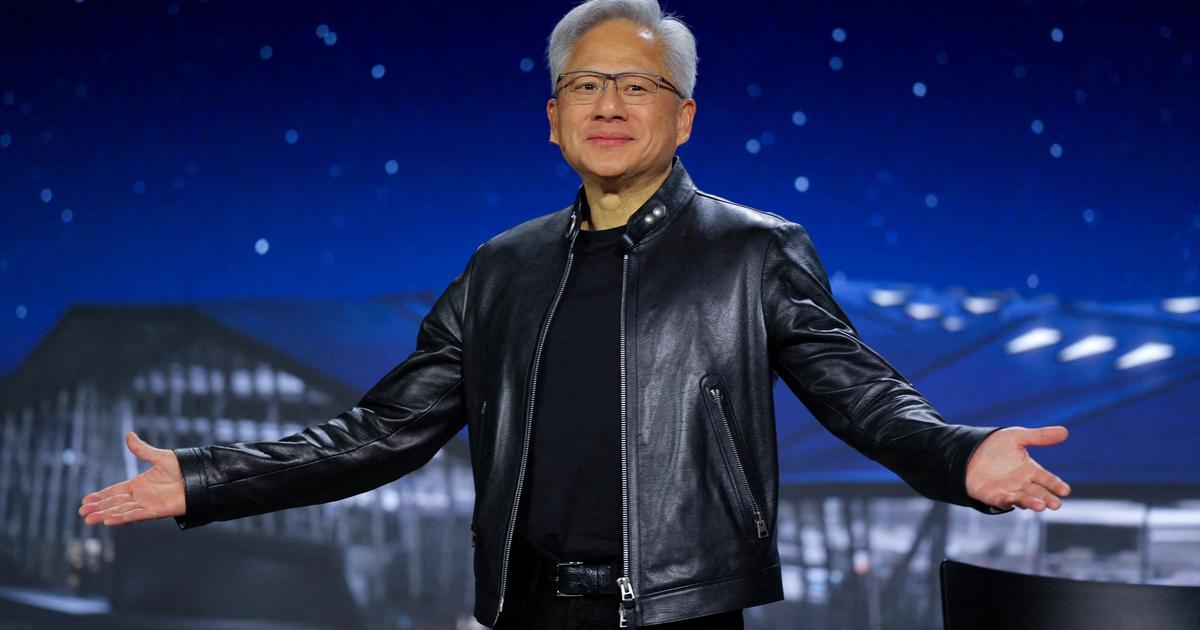
Nvidia’s board added $1 trillion to the chipmaker’s market capitalization after reinstating Jensen Huang as CEO on Monday. The longer-term impact on corporate America may be far more profound.
The decision to grant Huang a second act will only strengthen the unchecked powers of the “imperial CEO,” and confirms the Trump administration’s readiness to treat corporate America as an instrument of presidential power.
The most important line in the company’s 465-word announcement was the one saying that “input from senior levels of the United States government” had reassured the board that Huang’s return would pose no national security risk. Even before Semafor reported that US President Donald Trump had dialed into Nvidia’s board meeting, the statement left little doubt as to where that input had come from. On Sunday, Trump posted on social media that rehiring Huang would be “the best thing for the Company, and also, for the USA.”
Nvidia’s uncommonly long-serving board was facing enough pressure even before this intervention: The company’s stock had fallen 40% in a month, erasing $2 trillion of market value and unleashing a chorus of calls from investors, employees, and customers for Huang’s return.
The chip giant’s directors found themselves in this position because they failed in their duty to develop a credible replacement for a co-founder who became Nvidia’s indispensable chief salesman, chief technologist, and chief diplomat. Its belated steps — investigations, committees, executive searches — do little to suggest that the events of the past two weeks have taught Nvidia’s directors much about the importance of succession planning or corporate governance checks and balances.
US business leaders and investors have traditionally railed against government meddling. This time, they cheered one of the most extraordinary White House interventions that corporate America has ever seen.
Future governments may not have the same taste for “state capitalism” that the Trump administration has shown, but this is a new era, where the largest corporations have such enormous market influence that the question of who should lead them becomes a matter of national strategic significance.
And one of the world’s most critical companies has just sent a clear signal to the rest of the business community: that the last word on a CEO appointment or a founder’s survival may rest not with shareholders or their representatives, but with the president of the United States.
