1 in 8 Cancer Cases Worldwide Linked to Infections, Study Finds - Newsweek
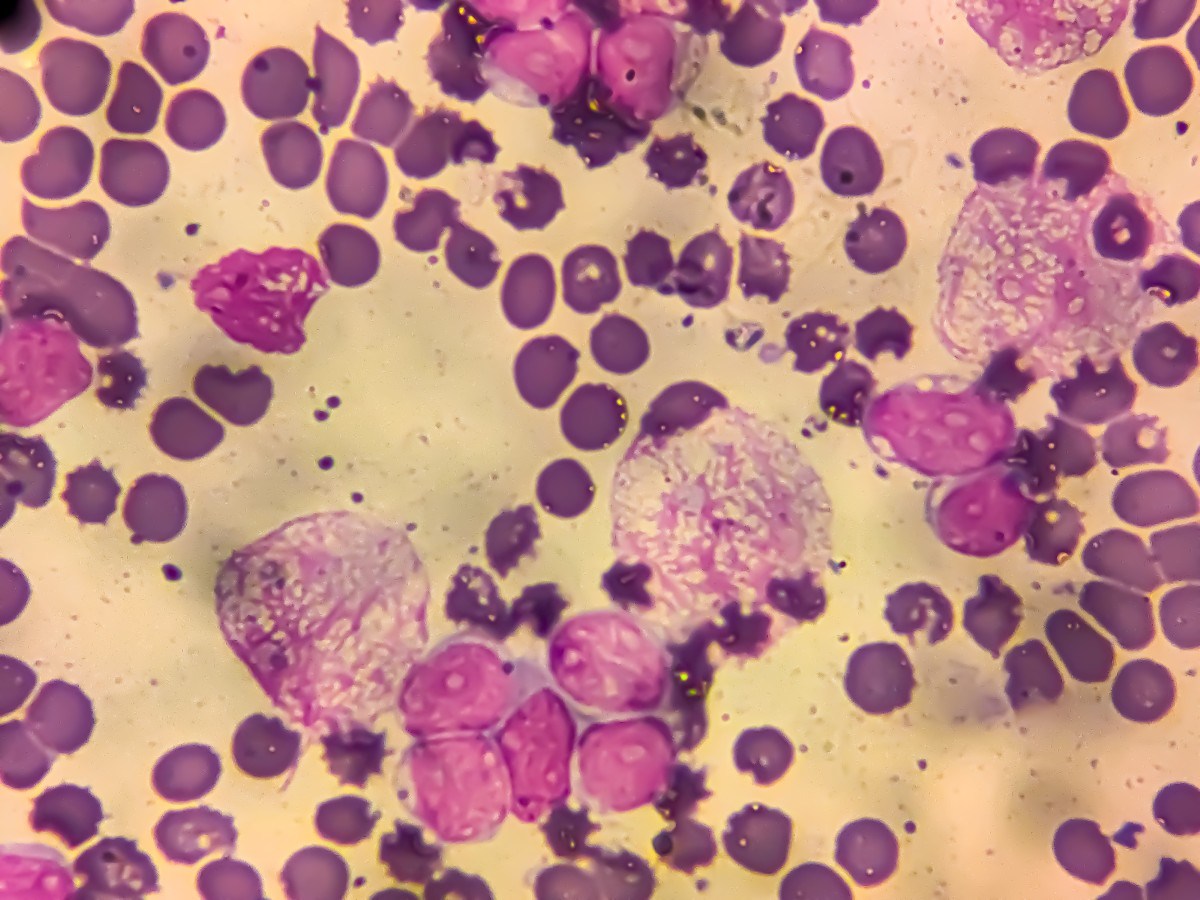
One in eight of the cancer cases worldwide in 2024 are believed to have been caused by infections, a new study by the International Agency for Research on Cancer (IARC) found.
This equates to 2.3 million (or 12 percent) of the new cancer cases that year, with five infections causing a considerable proportion of those cases. The researchers at the IARC therefore said that the findings suggest a "significant proportion of the global cancer burden is preventable through better infection control."
The study was published in the journal Lancet Oncology on September 28.
"This fraction, one in eight cancer patients, is the same fraction as lung cancer in all cancers in the U.S. It is not a rare or insignificant problem," Dr. Patrick Moore, chair in Innovative Cancer Research at the University of Pittsburgh, told Newsweek, adding that the IARC's estimates may also be "very conservative," meaning the "actual fraction of cancers caused by infection is likely to be still larger."
He said infection is a "much more important factor in cancer than most people recognize and the importance of each specific infection is highly related to geography." He added that cut-backs in HIV treatment due to the disbanding of USAID "will lead to increased infectious cancers in sub-Saharan Africa, while in Asia, expansion of neonatal HBV vaccination may dramatically reduce liver cancers caused by this virus."
Karl Munger, a professor of developmental, molecular and chemical biology at Tufts University, told Newsweek that the IARC's estimate is "lower than I would have expected. Other analyses have suggested that infection-associated cancers account for 15 to 20 percent of cancer cases globally, although the proportion is considerably lower in the U.S. and other high-income countries." He added that the finding is "significant because infections are a frequently overlooked and underappreciated cause of cancer. Importantly, many infection-associated cancers are preventable."
Based on the findings of the study, the leading infectious causes of cancer in 2024 were Helicobacter pylori (or H. pylori), human papillomavirus (HPV), hepatitis B virus (HBV), Epstein–Barr virus (EBV), and hepatitis C virus (HCV).
H. pylori was linked to the highest number of cases—at around 760,000 cancer cases globally that year. These cases were mainly gastric (stomach) cancer.
HPV was linked to about 750,000 cancer cases globally, which were predominantly cervical cancer, as well as anal, vulvar, vaginal, and penile cancers and some head and neck cancers.
HBV was linked to about 360,000 cancer cases in 2024, and most were cases of liver cancer. EBV was linked to about 260,000 cancer cases globally that year, which were largely nasopharyngeal cancer, some gastric cancers, and Hodgkin lymphoma. HCV was linked to about 160,000 cancer cases and most were cases of liver cancer.
The researchers also found that the burden of cancer cases was highest in Eastern Asia, Sub-Saharan Africa, Central and Eastern Europe, and South-East Asia. Specifically, Eastern Asia had a particularly high burden from H. pylori and HBV, whereas Sub-Saharan Africa had very high rates of HPV-related cancers and a substantial burden from infections with HIV and Kaposi sarcoma-associated herpesvirus (KSHV).
They said that the regional differences likely reflect "variations in the prevalence of infections, access to prevention and treatment, and broader social and economic conditions."
Dr. Shan-Lu Liu, co-director of the Viruses and Emerging Pathogens Program at The Ohio State University, told Newsweek that he found the findings "both striking and encouraging."
"The encouraging part is that many of these cancers are potentially preventable through vaccination, infection control, screening, and treatment," he said. "The large geographic disparities also show that this is an important global health equity issue."
Dr. Gary Clifford, a scientist at the IARC and lead author of the study, told Newsweek that many of these infections "hijack the cellular machinery that controls the normal cell cycle in order to help their own replication—however, this includes hijacking the machinery that would normally repair mutated genes or instruct mutated cells to die, thus increasing the risk for mutated cells to become immortal i.e. cancer."
Liu said that several other mechanisms are also at play, such as chronic inflammation and repeated tissue damage (which can increase DNA damage and abnormal cell growth), as well as many others.
For each of the largest contributing infections, the way they could result in cancer development is very specific, Liu said, which is why they are each associated with different types of cancers.
Moore said that for at least five of the seven infectious diseases though, "the virus itself carries oncogenes ('cancer-causing genes') that directly cause cancer when they are inserted into healthy cells," which he added "causes the cell to proliferate under the right conditions, such as immune suppression."
Clifford said the findings "demonstrate that a large fraction of cancers are caused by known infectious causes, and are thus preventable."
He also said that cancers "caused by infectious agents have proven to be particularly amenable to prevention (compared to cancers caused by other lifestyle risk factors), given the possibility to vaccinate, test and treat the underlying infections," making them "highly actionable targets."
However, the researchers at the IARC said while many effective prevention tools for these infections already exist, including vaccination against HPV and HBV, testing and treatment for infections such as H. pylori, HBV, HCV, and HIV, and measures to prevent transmission, these interventions are "often underused or inaccessible, particularly in low- and middle-income countries, because of financial, social, and political barriers."
They said the key challenges that remain include "limited access to and uptake of vaccination, screening, and diagnosis and treatment of infections, as well as social stigma related to infections such as HPV and HIV."
"In some settings, prevention programs are also affected by financial constraints, insufficient political commitment, and inequitable access to care," they said.
The IARC scientists said that policy-makers and health systems should prioritize scaling up proven interventions in light of the findings, such as vaccination against HPV and HBV; testing and treatment for H. pylori, HBV, HCV, and HIV; measures to prevent transmission, such as safe injection practices, access to condoms, and pre-exposure HIV prophylaxis; and cervical cancer screening.
Liu also said he believes "we need to expand vaccination and make testing and treatment of persistent infections more accessible," as well as strengthening cancer screening in high-risk populations and improving access to low- and middle-income countries where most of the infection-related cancer burden occurs.
Rumgay H, Georges D, Huang Y, Hirabayashi M, Shah R, de Martel C, et al. (2026). Global burden of cancer attributable to infections in 2024: a worldwide incidence analysis. Lancet Oncology. https://doi.org/10.1016/S1470-2045(26)00307-4
Update 9/25/26, 3:13 p.m. ET: This article was updated with comment from Karl Munger.