4% of global oil supply at risk as drone-hit Saudi pipeline faces weeks-long outage
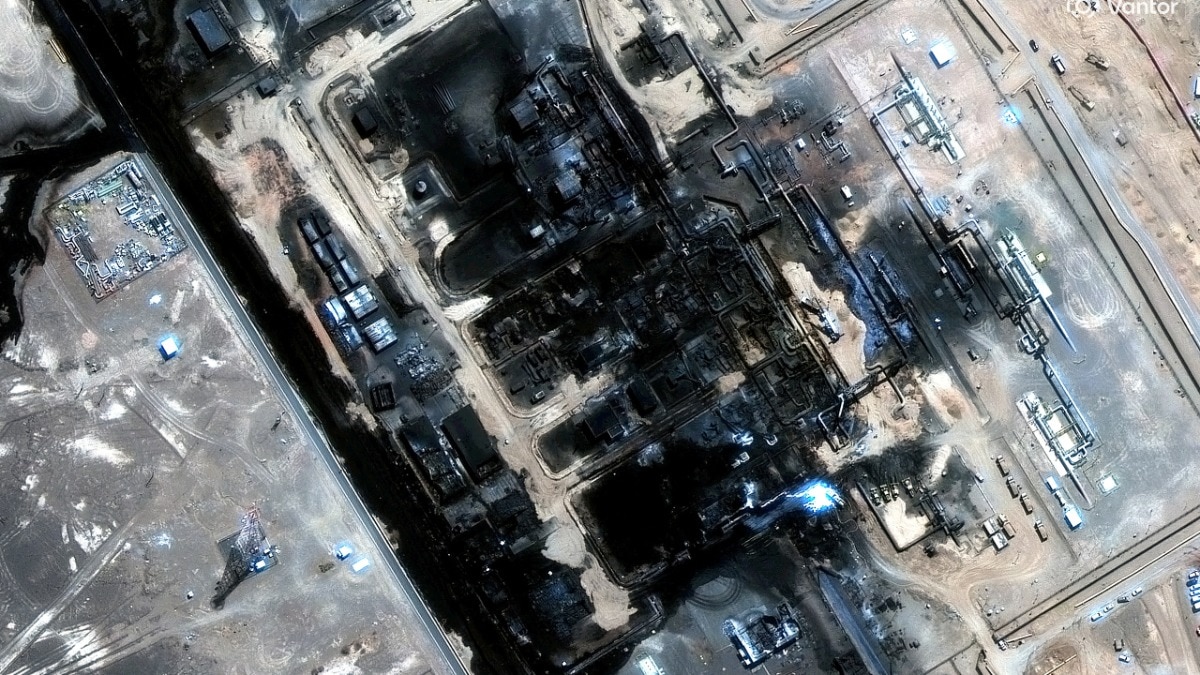
A new threat to global oil supplies is emerging from Saudi Arabia, where a crucial pipeline could remain largely shut for weeks after an attack, while Houthi advances threaten another major shipping corridor already strained by the wider conflict in the Middle East.
The East-West Pipeline, a 1,200-kilometre route connecting Saudi Arabia's oil-producing areas on the Gulf coast with the Red Sea port of Yanbu, was shut after a drone attack that Riyadh blamed on Iranian-backed militias. According to two regional officials cited by The Associated Press, repairs could take three to five weeks, although the pipeline may continue operating partially during the repair work.
The outage threatens another major blow to global oil supplies at a time when shipping through the Strait of Hormuz has already been severely disrupted by the war between the US and Iran.SAUDI EXPORT ROUTE FACES WEEKS-LONG DISRUPTION
Saudi Arabia has enough oil stored at the Red Sea port of Yanbu to maintain exports for only about five to seven days if the pipeline remains shut, news agency Reuters reported. After that, as much as 4 per cent of global oil supply could be put at risk, adding to millions of barrels a day already affected by disruption around Hormuz.
Saudi Arabia has not provided a detailed assessment of the pipeline damage or said when normal operations will resume. According to AP, sources estimate that repairs could take three to five weeks, particularly because a major pumping facility was damaged. One official told AP that the pipeline could continue to operate partially during repairs, although it remains unclear how much oil could still flow through it. A satellite image shows black smoke rising from an area of Saudi Arabia’s East-West oil pipeline. (Photo: Reuters) The scale of the potential disruption is significant. According to Rystad Energy, the pipeline had been carrying a weekly average of between 2.6 million and 4 million barrels of crude a day since late August. A complete halt would therefore remove a substantial volume from the market.
Brent crude reached $109, with Rystad saying the price movement was "a clear signal that the market is increasingly pricing in a significant loss of supply".HOUTHI ADVANCE CLOSES ANOTHER OIL ROUTE
The pipeline crisis is unfolding alongside a major Houthi advance along Yemen's Red Sea coast.
The Iran-backed rebels have captured the strategic Greater and Lesser Hanish islands, strengthening their position around the Bab el-Mandeb Strait. The islands are about 160 kilometres north of the narrow maritime passage, which is a key route connecting the Red Sea with the open ocean and an important corridor for Saudi Arabia's exports to Asian markets.
The Houthis had already captured the port city of Mokha and the island of Mayun, which sits inside the Bab el-Mandeb. Their latest moves give the group greater leverage over a second major maritime chokepoint at a time when the Strait of Hormuz, on the other side of the Arabian Peninsula, remains severely disrupted.
The Houthis had also seized the strategic island of Perim at the mouth of the Red Sea. The group has increasingly targeted Saudi oil infrastructure and shipping, putting additional pressure on Riyadh's ability to move crude to international buyers.
The result is a tightening squeeze on Saudi Arabia. The kingdom had increasingly relied on the East-West Pipeline to bypass Hormuz after shipping through the strait was disrupted. But with the pipeline now offline and Houthi forces expanding their presence around the Red Sea, alternative export routes are becoming more difficult and expensive.DIPLOMACY STUMBLES AS HORMUZ TALKS ARE POSTPONED
The pressure on energy markets has been accompanied by a setback on the diplomatic front.
Oman postponed a meeting scheduled for Monday between Iran and Gulf Arab states that was expected to discuss arrangements for shipping through the Strait of Hormuz. Oman's Foreign Minister Sayyid Badr Albusaidi said the meeting had been postponed "in the interests of consensus".
Iranian officials had said they planned to attend the gathering and present an agreement with Oman concerning shipping routes through Hormuz. But the postponement raised fresh doubts about whether the sides could reach an arrangement to ease the shipping crisis.
Iran wants its control of the Strait of Hormuz to be recognised, including the ability to collect fees from ships using the waterway, which has been rejected by Washington.
Iran's Foreign Minister Abbas Araqchi also told London-based Al-Arabi Al-Jadeed that Tehran would not reopen the strait until the US met its demands.
The development comes as traffic through Hormuz remains dramatically reduced. Preliminary ship-tracking data showed commodity vessel transits had fallen to single digits per day over the weekend, well below the 10-day average of 14. The figures do not include vessels that may have switched off their tracking systems to avoid detection.- EndsPublished By: Satyam SinghPublished On: Sep 14, 2026 23:58 IST