40 years on, Sindh quota faces fresh challenge
Direct Source Verification:
This story is aggregated from The Express Tribune (tribune.com.pk). Full reporting rights and copyright belong to the primary publisher.
MDCAT results rekindle debate as educated Sindhi voices join calls to scrap urban-rural divide
A system introduced decades ago to bridge Sindh’s urban-rural divide is facing renewed scrutiny, with a growing number of educated Sindhi voices now joining the long-standing demand from Urdu-speaking circles for an end to the quota regime in government jobs and educational institutions.
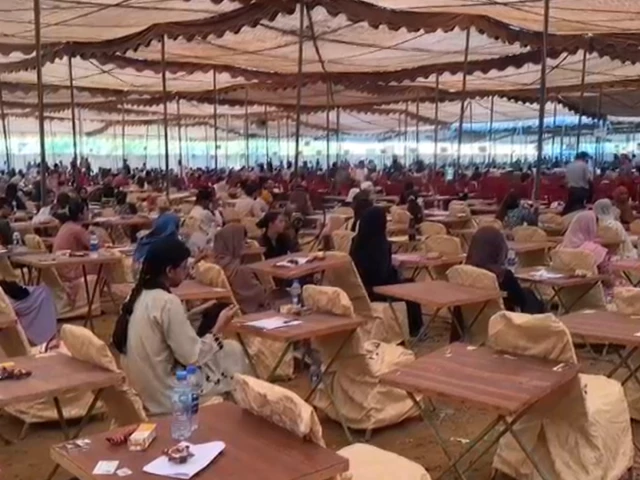
The debate has gained fresh momentum after the latest MDCAT results, in which students from some of Sindh’s most underdeveloped districts, including Tharparkar, outperformed candidates from Karachi, Hyderabad and Sukkur.
For critics of the quota system, the results have raised a fundamental question: does a policy designed to compensate for rural deprivation still serve the purpose for which it was introduced?
What was once largely framed as an urban-rural or Sindhi-Urdu dispute is consequently taking on a different complexion.
A section of educated Sindhi-speaking professionals and academics now argues that improvements in education and healthcare facilities in rural Sindh have narrowed the gap, while the quota system is increasingly reinforcing divisions between the province’s communities rather than addressing them.
Abdul Aleem Lashari, a retired bureaucrat who has served in various positions in Sindh, recently wrote on social media that “this is the right time to abolish the quota system”. Speaking to The Express Tribune, he said he believed the province no longer needed the quota system.
Read More: Panel to probe into Sindh MDCAT complaints
Serving bureaucrat Nadeem Memon, responding to Lashari’s post, observed that a large number of young people in Karachi preferred employment in the private sector and multinational companies over government jobs.
He argued that ending the quota system could encourage urban youth who had stayed away from government employment to return to the competitive examination system.
Prominent Sindhi scholar Naseer Memon, who is based in Islamabad, said the quota system had been in place for around four decades. Although the facilities available in urban and rural areas had not become equal during this period, he said the gap between the two had nevertheless narrowed.
Memon also maintained that the quota system was contributing to divisions between Sindhi- and Urdu-speaking communities in the province. He called for the urban-rural quota to be abolished and replaced with equal, merit-based opportunities for all candidates.
MQM-Pakistan Deputy Parliamentary Leader in the Sindh Assembly Taha Ahmed Khan also backed the call, describing the rural-urban quota as a discriminatory policy from the outset.
He alleged that the Pakistan Peoples Party had used the system to institutionalise a divide between the people of Sindh’s urban and rural areas. “It is time to abolish this discriminatory system and provide equal opportunities to everyone,” Khan said.
Original Source
https://tribune.com.pk/story/2632975/40-years-on-sindh-quota-faces-fresh-challenge