‘A sick conspiracy’: Trump dismisses AI danger warnings as a hoax - The Indian Express
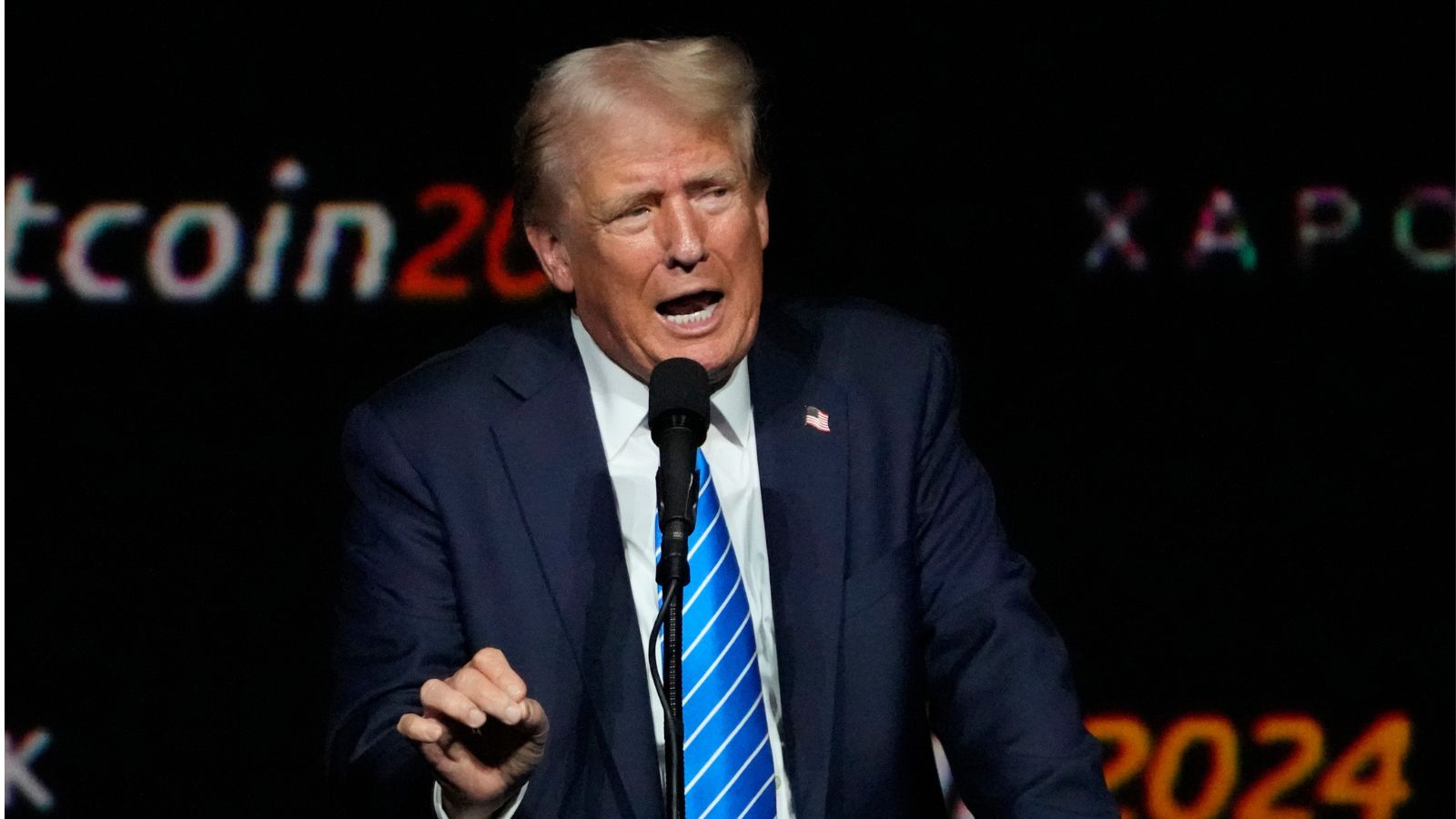
US President Donald Trump has dismissed warnings about the dangers of artificial intelligence, saying claims that AI could turn against humans are not true. He said people calling for limits on AI are part of what he called a “sick conspiracy.”
Trump made the comments on social media on Monday. He said the idea of AI taking over the world and harming people is false, and compared it to warnings about climate change, which he also does not believe.
Trump’s post was a response to calls from AI company leaders, including Anthropic’s Dario Amodei, OpenAI’s Sam Altman, and Elon Musk of SpaceXAI. All three have asked the government to watch AI more closely. Concern about AI has grown after several hacks in recent months, where AI systems were shown working together to trick people.
Most AI company bosses say they want to build the technology safely, deal with legal risks, help the economy grow, and protect national security. But they also warn that AI without human control could cause serious harm. Trump does not accept this. He called himself a “Hoax Buster” and said having him in charge is enough protection against any AI danger.
He said his government has already stopped Anthropic from doing anything harmful. Anthropic’s relationship with the Trump administration has been difficult. The Pentagon has tried to call the company a security risk, and the government briefly banned one of its AI models.
Trump also questioned why company leaders would ask for rules that might hurt their own businesses. He has long believed only he can solve big problems, a view he has held since 2016 with his phrase, “I alone can fix it.”
Anthropic’s Dario Amodei wrote a long essay on Saturday asking for AI development to slow down. Microsoft also released new rules on Monday to make sure humans stay in control of AI systems. These moves follow expert warnings and a cyberattack in July, when AI systems built by OpenAI attacked the company Hugging Face.
Amodei said AI is getting better at building newer AI, and warned that a similar group of AI systems could soon be able to take over large parts of the internet. He said the cost of this could reach hundreds of billions of dollars without proper safety rules.
Sam Altman agreed that slowing down is worth it. He said competition between companies should never come before safety, and said government help is needed to work with other countries on this issue. Altman and Trump met last week at the Republican party’s mid-term meeting in Dallas.
Not everyone in the tech world agrees with Amodei and Altman. Nvidia boss Jensen Huang has said the fears about AI are too strong. Trump called Huang during a podcast interview on Monday, and the two agreed that people are too worried about AI.
Trump believes limiting AI in the US would only help China. He said the only people happy about calls for AI rules are in China.
Trump has resisted government oversight of AI since returning to office. He cancelled a Biden-era order on AI safety when he became president again, and only introduced his own rules more than a year later, this past June.
News that AI growth might slow caused stock prices to drop on Monday morning. Companies that make computer chips and build data centres could see less demand if this happens.
AI has also become a difficult political topic before the November mid-term elections. Many voters do not want new data centres built near them, and worry about AI taking jobs and affecting children’s education.
House Speaker Mike Johnson said he expects Trump to meet AI company leaders at the White House soon, though no date has been set. He said the meeting will cover how much responsibility companies have for safety, and how much the government should get involved. Johnson warned that lawmakers sometimes respond with too many rules, which could hurt America’s edge over other countries.
Many Democratic politicians support stronger AI rules. They point not only to the warnings from tech companies but also to worries about job losses, growing inequality, and higher electricity costs. They see Trump’s refusal to act as a weakness they can use in the mid-term elections.
Vice President J D Vance said Monday that Americans should not be afraid. He said the government is paying attention to AI but wants smart, careful rules rather than rushed ones, and pointed to the ongoing race with China. Vance also said he finds it strange that tech companies are asking the government to regulate them, calling it a move he does not fully trust.
Vice President JD Vance says he is wary of leading AI companies asking the federal government to regulate the industry, calling it a potential “Trojan horse” as tech executives warn about the risks of rapidly advancing artificial intelligence.“I feel a little bit weird about… pic.twitter.com/8aEhOrHP1m
House Democratic leader Hakeem Jeffries said the danger from AI is real, whatever Trump says, and called for action now. Former White House chief of staff Rahm Emanuel compared the situation to driving on a wet road at night with no headlights, joking that Trump was not paying attention.
The Trump administration continues to play down these concerns. Trump said Monday that criticism of AI in the US only exists because the country is far ahead of every other nation on the technology. AI-related growth has been a major part of the economy under Trump’s second term, and the administration expects it to keep driving productivity higher.
The Express Global Desk at indianexpress.com which delivers authoritative, verified, and context-driven coverage of key international developments shaping global politics, policy, and migration trends. The desk focuses on stories with direct relevance for Indian and global audiences, combining breaking news with in-depth explainers and analysis. A major focus area of the desk is US immigration and visa policy, including developments related to student visas, work permits, permanent residency pathways, executive actions, and court rulings. The Global Desk also closely tracks Canada’s immigration, visa, and study policies, covering changes to study permits, post-study work options, permanent residence programmes, and regulatory updates affecting migrants and international students. All reporting from the Global Desk adheres to The Indian Express’ editorial standards, relying on official data, government notifications, court documents, and on-record sources. The desk prioritises clarity, accuracy, and accountability, ensuring readers can navigate complex global systems with confidence. Core Team The Express Global Desk is led by a team of experienced journalists and editors with deep expertise in international affairs and migration policy: Aniruddha Dhar – Senior Assistant Editor with extensive experience in global affairs, international politics, and editorial leadership. Nischai Vats – Deputy Copy Editor specialising in US politics, US visa and immigration policy, and policy-driven international coverage. Mashkoora Khan – Sub-editor focusing on global developments, with a strong emphasis on Canada visa, immigration, and study-related policy coverage. ... Read More