A tight-knit Toronto hospital unit cared for the dying. Then, a war thousands of miles away tore them apart - Toronto Star
Internal records show how distrust spread through Mount Sinai's palliative unit. Sinai said it is committed to an inclusive and respectful workplace.
Kavita Algu, seen here in 2026, had long been a doctor at Mount Sinai Hospital, then resigned after feeling she was unfairly targeted by management for her Palestinian advocacy.
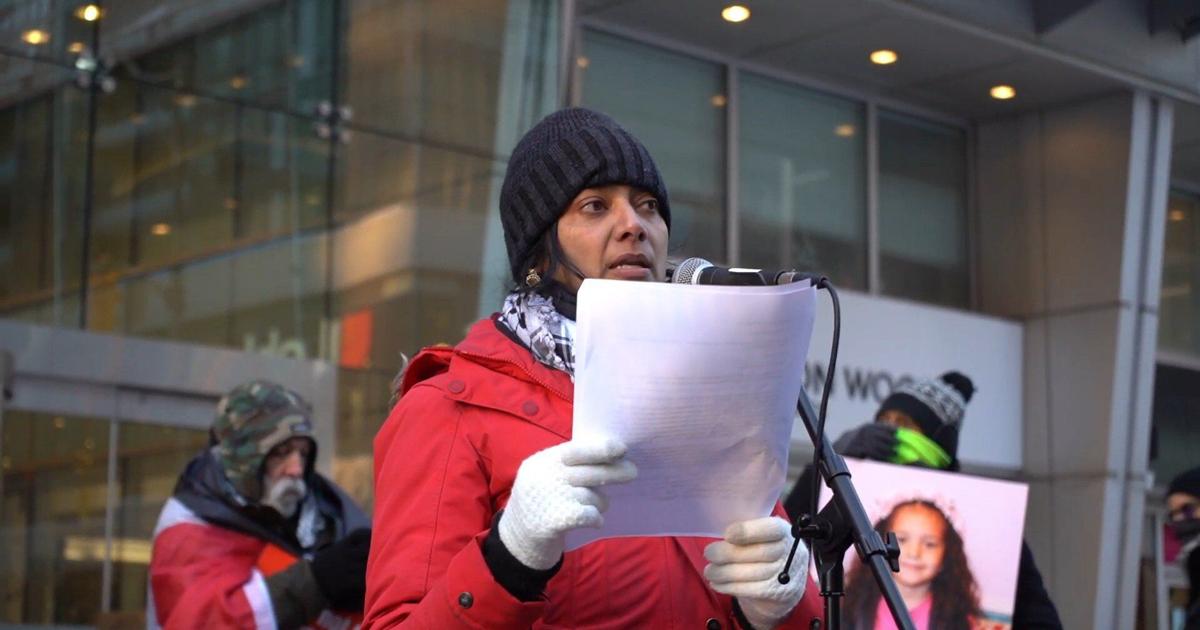
Kavita Algu wasn’t the most experienced public speaker, but she felt she had clarity as she looked down at her notes one last time. She had the day off work and had joined a rally in protest of Israel’s bombing of hospitals in Gaza that had killed patients and staff alike.
As a doctor, she felt obligated to speak out about the destruction of a health-care system.
“It is our ethical duty to speak out against the genocide being committed against the Palestinian people,” she told the crowd assembled that day in March 2024.
At the time, Algu had been a palliative care doctor at Mount Sinai Hospital for almost 10 years. Throughout her career, she had made an effort to advocate on behalf of the marginalized: she led anti-racism initiatives for her department’s health equity committee and was among a small team that successfully applied for government funding for a palliative care program for Indigenous patients.
Within months, after the war had polarized her department, Algu had resigned from the hospital after feeling she was unfairly targeted by management for her Palestinian advocacy.
TMU’s law school, branded as one focused on equity and inclusion, is riven with discord over a petition some say justified Hamas’s Oct. 7 attack.