Activist group wants Iain Wares imprisoned before extradition to Scotland - IOL
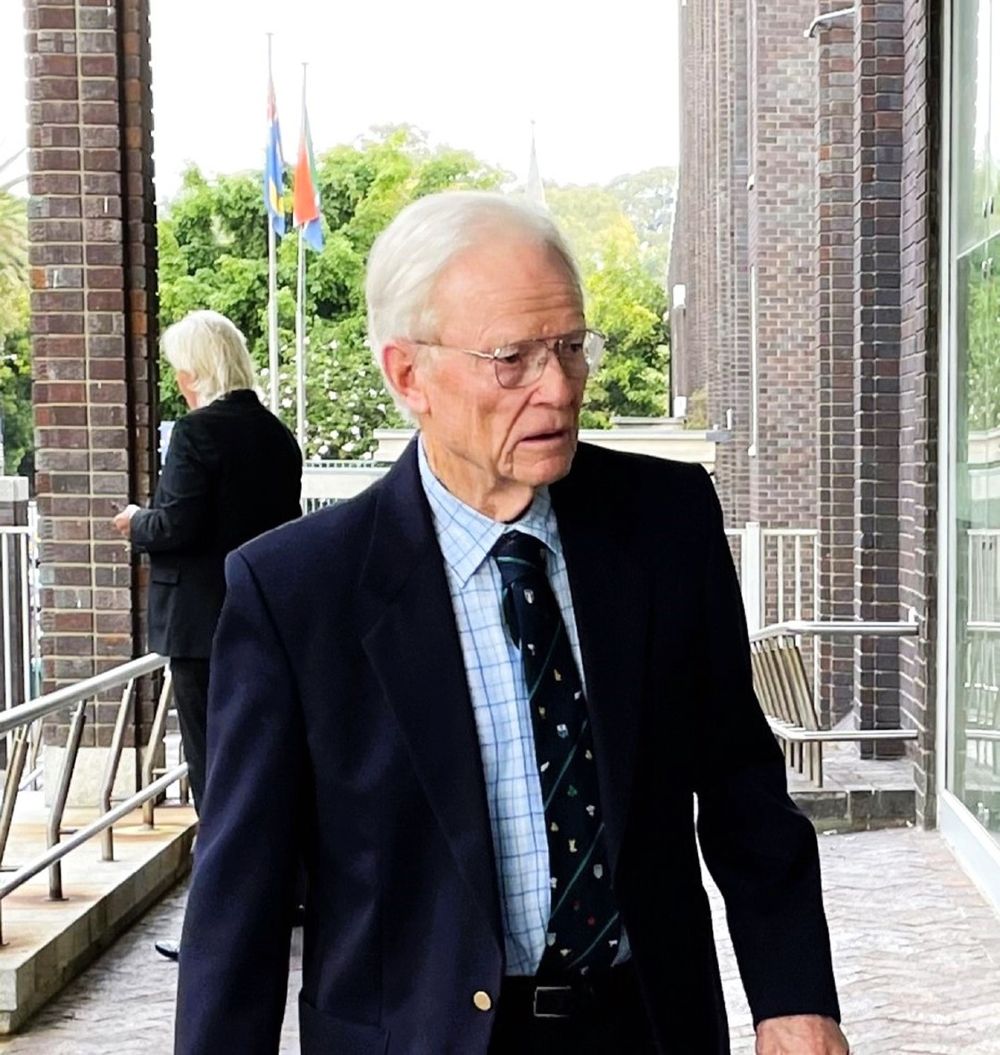
ays Iain Wares should face prison time after a state social worker told the court that childhood abuse can leave lasting trauma and that a suspended sentence or house arrest would not reflect the seriousness of his crimes.
Women and Men Against Child Abuse (WMACA) has called for Iain Wares to be imprisoned for sexually abusing a former pupil, arguing that a non-custodial sentence would fail to reflect the lasting trauma experienced by survivors of childhood abuse.
The call followed testimony by State social worker Phumzile Sithole at the Wynberg Magistrate’s Court on Monday.
She argued that direct imprisonment was necessary to reflect the seriousness of Wares’ crimes and serve as a deterrent.
The hearing formed part of sentencing proceedings following Wares’ conviction for indecently assaulting a former pupil at Rondebosch Boys’ Preparatory School in 1988.
WMACA said Sithole focused on the long-term psychological harm suffered by children subjected to sexual abuse, contrasting her evidence with that presented by the defence’s social worker, Arina Smit.
According to the organisation, Sithole told the court that Wares showed no remorse and continued to deny his crimes and blame others for his conviction.
WMACA’s Cape Town representative and author, Claudine Shiels, who attended the proceedings, said Sithole’s testimony was a relief for those concerned about the lasting consequences of childhood abuse.
“It was a relief to hear the bold expert testimony of a professional Social Worker with knowledge and experience, that confirmed that victims of childhood trauma struggle to recover.
“Even as Sithole was being badgered by the defence attorney, she decisively drew the court’s attention to the increasing levels of child abuse in South Africa, stating that a suspended sentence, or house arrest, will be an inadequate response, which we at WMACA completely agree with.”
The organisation said Sithole emphasised that the abuse involved a teacher violating the trust and duty of care owed to a child under his authority.
It also said she described the abuse as premeditated and planned, alleging that it occurred repeatedly at the school.
WMACA argued that the impact on vulnerable children should remain central to the sentencing process, rather than the personal circumstances of the convicted offender.
WMACA founder Miranda Jordan said a suspended sentence or house arrest would not adequately hold Wares accountable for the harm caused to his victims.
“House arrest or a suspended sentence would allow him to carry on living his peaceful everyday life, totally unaffected. A slap in the face of his many victims. And let’s not forget the more than 90 charges waiting for him in Scotland.
“We would like to see him serve some jail time in SA before he is extradited to face the UK criminal justice system. We really don’t care where he is incarcerated, but he must pay for his crimes against so many little boys.”
She added: “he blames WMACA and the media for his conviction, but at no point takes accountability for his own actions.”
Wares is also facing extradition proceedings relating to allegations of sexual and physical abuse involving former pupils at Edinburgh Academy and Fettes College in Scotland during the 1960s and 1970s.
Those allegations are separate from his South African conviction and have not been established by that conviction.
His case has drawn attention to the challenges of securing accountability for alleged child sexual abuse spanning decades, particularly when survivors must navigate lengthy legal proceedings.
The court is expected to hear final arguments in mitigation and aggravation of sentence on October 23. Wares is expected to be sentenced at the following court appearance.
The arguments will allow the defence to present factors it believes should reduce the sentence, while the State can advance reasons for a harsher punishment.
For WMACA, the central issue is whether the sentence will adequately reflect the seriousness of the offence and the lasting harm childhood sexual abuse can cause.
The final decision rests with the court.