Affordable cuts of meat South Africans can turn into delicious family meals - IOL
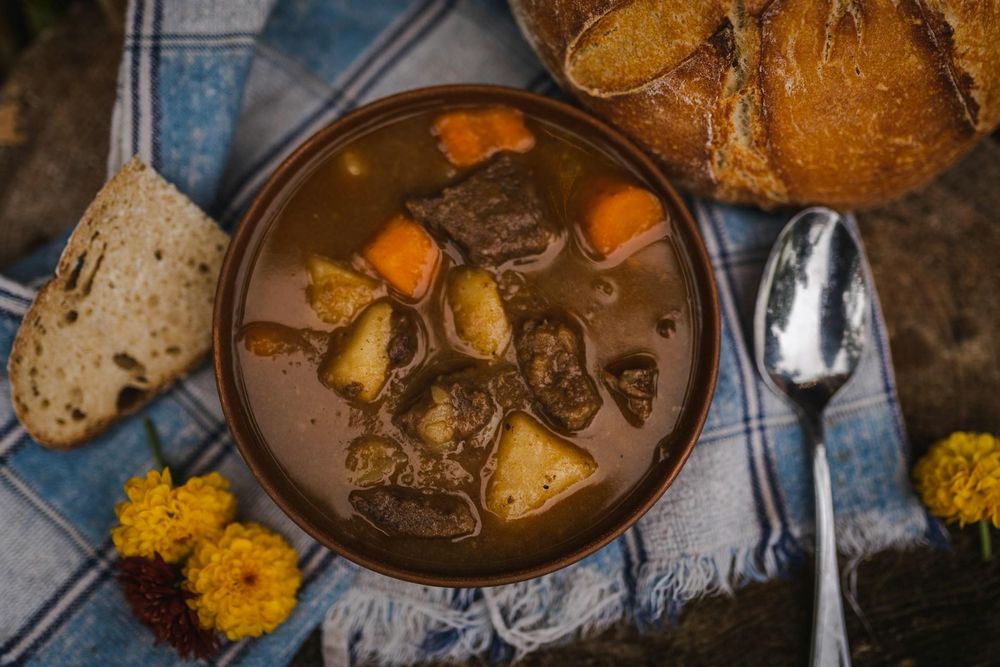
More affordable cuts of meats are particularly useful for stews, curries, bredies, and potjies.
Meat can take up a sizeable chunk of the grocery bill, particularly when you're shopping for a family.
Steak, chops and other popular cuts can quickly push the cost of a meal higher. But cheaper cuts of meat can be just as satisfying when you know how to cook them properly.
Many economical cuts come from muscles that work harder, so they contain more connective tissue.
Given enough time and gentle heat, that tissue breaks down, leaving the meat tender and adding richness to the cooking juices.
That makes these cuts particularly useful for stews, curries, bredies, potjies and slow Sunday lunches.
Here are some cuts worth looking for at your local butcher or supermarket.
Beef chuck comes from the shoulder and is full of flavour. It is also one of those cuts that benefits from slow cooking.
Cut it into chunks for stews, casseroles and potjies, or use it in curries. It can also be cooked slowly until tender enough to shred for sandwiches or wraps.
Onions, carrots and potatoes make it go further, while beef stock, tomatoes or a little red wine can be used to build a rich cooking sauce.
Brisket is probably best known for American barbecue, but it is also a useful cut for economical family meals.
It needs time rather than high heat. Slow-roast it in the oven, braise it in stock or cook it gently over coals until tender.
And don't overlook the leftovers. Brisket can be used in sandwiches, pies or pasta sauces, making one cut work across several meals.
Brisket has become famous thanks to American barbecue, but it has long been a favourite for economical family cooking too.
Beef shin is easy to overlook, but it brings plenty of flavour to a slow-cooked meal.
The marrow bone running through the cut adds richness to the cooking liquid, while the meat becomes tender after several hours of gentle cooking.
Serve beef shin with mashed potatoes, pap or crusty bread to make the most of the rich sauce.
Short ribs contain plenty of marbling and connective tissue, making them ideal for braising.
Cook them slowly in stock, tomatoes or even a rich onion gravy until the meat falls off the bone.
They are perfect for Sunday lunches and are equally good served with rice, polenta or roasted vegetables.
Pork shoulder offers excellent value and can feed several people for a fraction of the price of pork chops.
Roasted slowly, it becomes succulent enough to shred with two forks.
Season it simply with garlic, paprika, cumin and black pepper for pulled pork, or keep the flavours classic with rosemary and thyme for Sunday lunch.
Leftovers can become toasted sandwiches, wraps or fried rice during the week.
Although it has grown in popularity, pork belly can still be a cost-effective choice depending on where you shop.
Cooked slowly before finishing at a higher temperature, it develops crisp crackling while remaining meltingly tender inside.
It's ideal with roasted vegetables, noodles or sticky Asian-inspired sauces.
Cooked slowly before finishing at a higher temperature, it develops crisp crackling while remaining meltingly tender inside.
Lamb neck doesn't receive nearly as much attention as chops or leg of lamb, but many cooks consider it one of the tastiest cuts.
It shines in slow-cooked curries, stews and traditional bredies, where the meat gradually softens while enriching the sauce with flavour.
A little patience turns this humble cut into something worthy of a special family meal.
The biggest mistake with tougher cuts is trying to cook them too quickly.
Low, gentle heat gives the connective tissue time to soften. Depending on the cut and the recipe, you can use a slow cooker, pressure cooker, oven or heavy pot on the stove.
Brown the meat before adding your liquid where the recipe allows. This adds another layer of flavour and gives the finished dish more depth.
The cooking liquid is valuable too. Those juices can form the basis of a gravy or sauce, so don't pour them away.
A marinade can also help with some tougher cuts. Yoghurt, buttermilk, vinegar and citrus can add flavour and may help soften the meat before cooking.
Lower temperatures and longer cooking times almost always produce better results.
Cheaper cuts are perfect for dishes where the meat shares the spotlight with vegetables, legumes or starches.
Think slow-cooked beef stew with potatoes, a rich lamb bredie, beef shin served over creamy pap, pulled pork rolls with coleslaw, brisket cottage pie or a hearty potjie shared around the table.
They also work well in soups, curries, pasta sauces and pies, where long cooking transforms inexpensive ingredients into deeply satisfying meals.
You don't have to buy the most expensive cut in the butchery to put a satisfying meal on the table.
Cheap cuts of meat often need little more than the right cooking method, a few basic ingredients and some patience.
For households watching the grocery bill, learning how to cook these cuts properly can make a noticeable difference.
And sometimes the slow-cooked meal made from an overlooked cut is the one everyone remembers.