Africa is no stranger to natural disasters - IOL
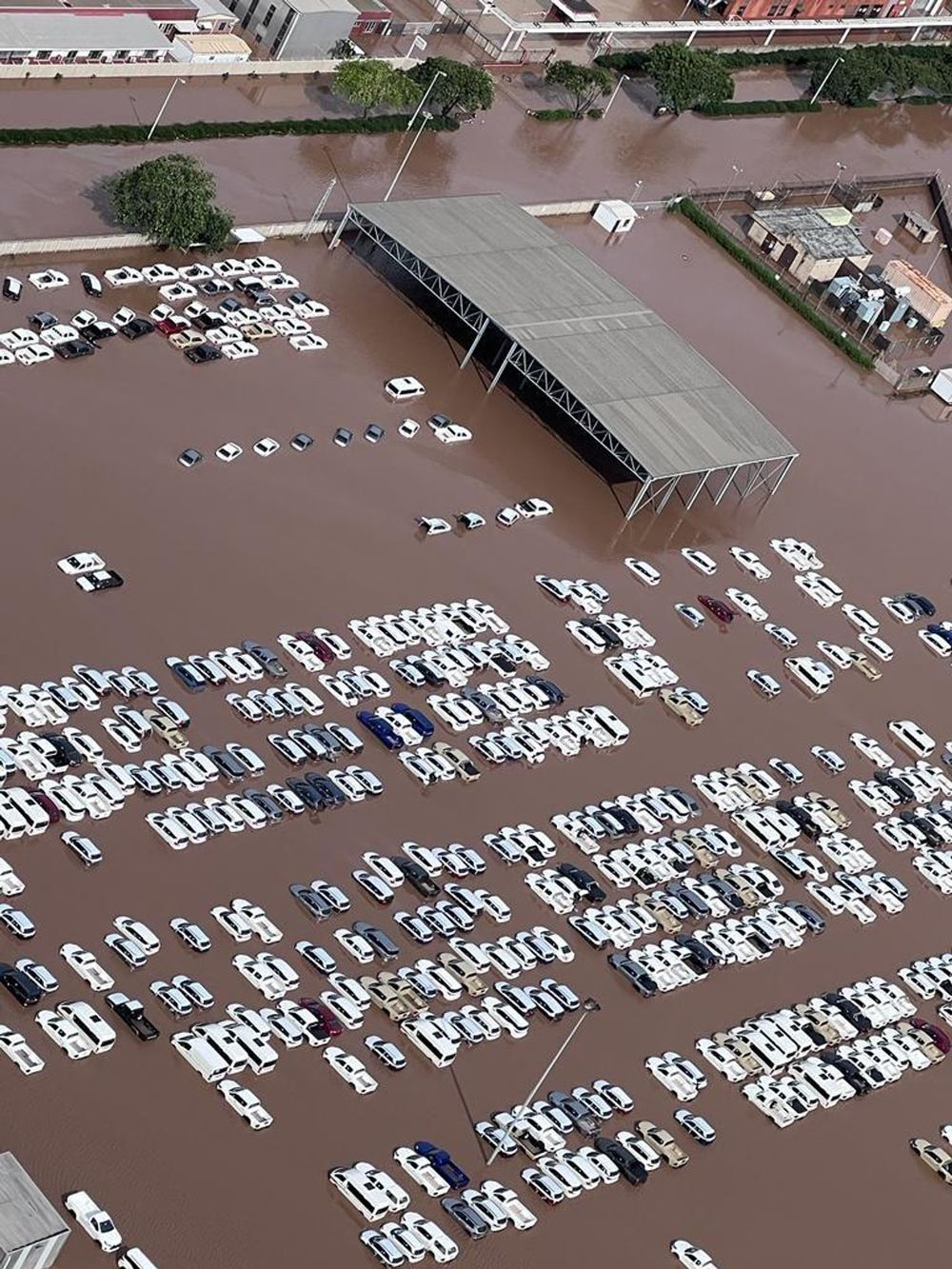
Toyota’s Prospecton plant was flooded in the April 2022 floods, causing water damage to many new vehicles. A reader argues that Africa is not immune to natural disasters.
Image: Motor Industry Staff Association.
I have seen comments suggesting that God has protected Africa from natural disasters because its leaders are natural disasters. The comments were made in response to the devastating flash floods in Nepal, near its border with Tibet, in which lives were lost and homes, businesses and property destroyed.
This is a superficial way of looking at the world, or simply a sign that some people are ignorant of what has happened, and continues to happen, in Africa.
Africa has suffered some of the world’s most devastating natural disasters.
In 2023, Storm Daniel and the subsequent collapse of two dams devastated the Libyan city of Derna. Torrential rain caused the dams upstream to fail, sending a massive wall of water through the city and sweeping entire neighbourhoods into the Mediterranean. Thousands of people died, making it one of the deadliest weather disasters recorded in Africa in recent decades.
In 2017, torrential rainfall triggered catastrophic mudslides in Freetown, Sierra Leone. The collapse of a mountainside near Sugar Loaf sent torrents of mud through residential areas, destroying homes and killing more than 1 000 people.
In May 2023, devastating floods and landslides struck South Kivu in the Democratic Republic of Congo. Heavy rainfall caused rivers to overflow and triggered landslides in Kalehe territory, killing hundreds of people.
Closer to home, the April 2022 floods in KwaZulu-Natal and parts of the Eastern Cape demonstrated just how destructive extreme weather can be. In KwaZulu-Natal alone, unprecedented rainfall devastated Durban and surrounding areas, killing 435 people, destroying critical infrastructure and causing billions of dollars in economic damage.
Nigeria experienced its worst flooding in a decade in 2022, with 33 of the country’s 36 states affected. More than 600 people died, about 1.4 million were displaced and vast areas of agricultural land were destroyed.
Then there was Cyclone Idai in 2019, one of the most destructive tropical cyclones ever recorded in the Southern Hemisphere. It battered Mozambique, Zimbabwe and Malawi, killing more than 1 300 people, devastating Beira and affecting millions.
In 2023, Cyclone Freddy repeatedly battered Madagascar, Mozambique and Malawi. It became the longest-lasting tropical cyclone on record, with Malawi suffering particularly severe flooding and landslides that killed more than 1 200 people.
A general view after Cyclone Freddy Hit the city of Quelimane, in Zambezia Province, in Mozambique in 2023 which caused severe damage to infrastructure, trees, power and communication systems.
Africa is not immune to earthquakes either. In September 2023, a magnitude 6.8 earthquake struck Morocco’s High Atlas region, destroying entire villages and killing nearly 3 000 people. It was the country’s deadliest earthquake in more than six decades.
And natural disasters are not confined to floods, storms and earthquakes. Between 2020 and 2023, the Horn of Africa experienced one of its worst droughts in 40 years after five consecutive failed rainy seasons. Ethiopia, Somalia and Kenya were particularly badly affected. Millions of people were displaced, more than 13 million livestock died and tens of thousands of excess deaths were attributed to hunger and famine conditions.
Back home again, Cape Town came within weeks of running out of municipal water during the severe drought of 2015–2018. The prospect of “Day Zero” forced the city to impose unprecedented water restrictions before the rains eventually returned.
Between 2023 and 2025, severe drought linked to El Niño conditions caused widespread crop failures and major hydropower shortages in parts of southern Africa, prompting national states of disaster in countries including Zambia, Zimbabwe and Malawi.
So, yes, African leaders can be disasters. There is certainly no shortage of evidence for that argument.
But Africa itself is not protected from natural disasters. | ALAN SUBRAMONEY Amanzimtoti