AI outlook, energy prices to drive Asian markets as Fed holds rate steady - The Business Times
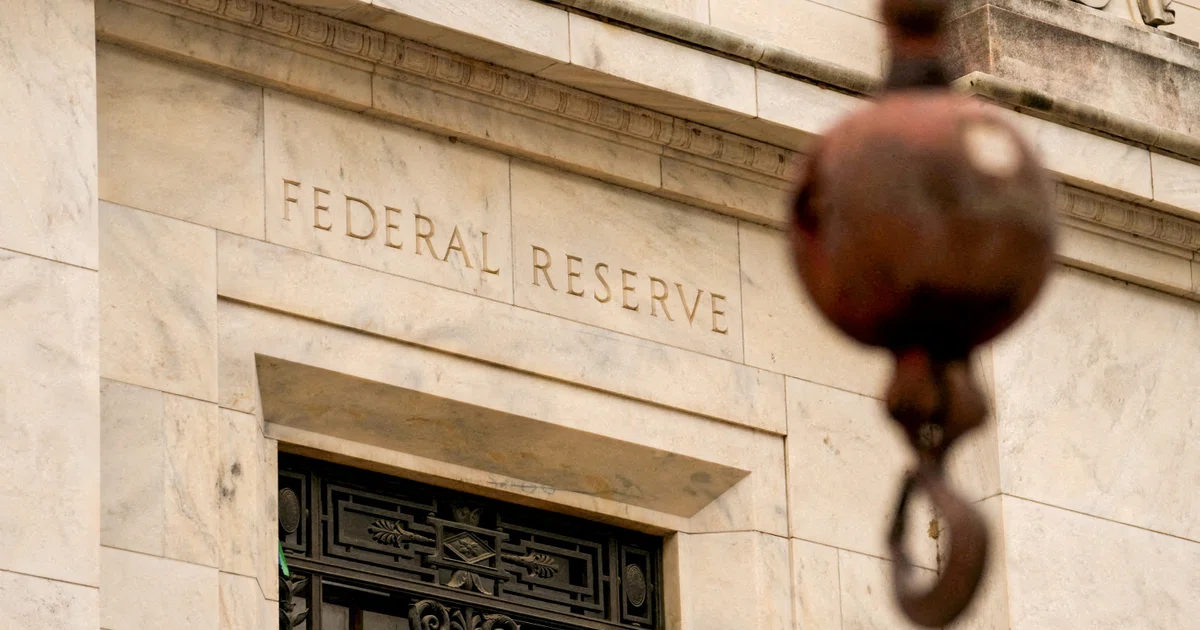
[SINGAPORE] The artificial intelligence trade and elevated energy prices are set to remain key drivers of Asian markets as the US kept its interest rates unchanged, analysts said.
While the US Federal Reserve unsurprisingly kept the Fed funds target rate unchanged at 3.75 to 4 per cent, two AI hyperscalers in the US reported two diverging sets of results that left the market with mixed sentiments.
“On any other day, that would have been enough to dominate the conversation,” said market commentator Stephen Innes. “Instead, Microsoft and Alphabet arrived with two very different versions of the AI story, changing the subject before the Fed’s coffee had gone cold.”
Furthermore, higher oil prices will continue to put pressure on importer currencies and US dollar funding conditions may tighten further, even as US growth will likely remain strong, said Michael Langham, emerging markets economist at Aberdeen Investments.
“Across the region, the continued energy crisis is putting strains on fiscal measures, so we’d expect some pullback of support measures to a more targeted approach to the energy shock,” he said.
In countries where currencies are under pressure – such as the Philippines, India and Indonesia – there may also be further monetary tightening, he said.
Five decades of milestones and moments that shaped Singapore’s success story - told through our headlines.
Asian equities were mixed as AI-related earnings weighed on regional investor sentiments.
The Kospi fell more than 2 per cent after Samsung posted results that missed estimates, reversing Wednesday’s (Oct 28) gains from SK Hynix’s strong earnings.
Meanwhile, Singapore’s Straits Times Index (STI) inched up 0.3 per cent, as modest gains across the three banks were offset by weakness in selected real estate investment trusts (Reits).
The STI’s tilt towards banks and Reits left it less directly tied to the region’s semiconductor-led rally, said Tiger Brokers chief market strategist James Ooi.
He noted that interest rates are “only part of the Reit investment story”.
While lower borrowing costs may provide some support, sustainable distribution growth also depends on the strength of underlying rental income and occupancy, he said.
With the Fed pause and mixed results from US AI hyperscalers, DBS Group Research analyst Yeo Kee Yan sees attractive opportunities in rate sensitive sectors such as the Singapore Reits, developers with value unlock potential and gold-related stocks.
“Even as interest rate outlook stays uncertain, the overnight Fed hold highlights the difference between this and the 2022 hike cycle, where the Fed had to hike aggressively and consecutively,” he said.
Yeo expects to stay selective in tech with the latest mixed results likely to keep the AI trade volatile.
For fixed-income investors, growing dispersion across countries and sectors creates opportunities for diversification and active selection, as real yields remain attractive, said Navin Saigal, head of Asia-Pacific global fixed income at BlackRock.
He noted that a pause by the Fed does not mean Asia is on hold, as regional central banks are confronting very different combinations of growth, inflation, currency and external pressures.
For example, China sees a more subdued domestic inflation and demand backdrop; Australia and other parts of North Asia are still dealing with firmer inflation dynamics; and Japan remains on a normalisation path, Saigal said.
In South-east Asia, AI and energy exposures are also creating different macroeconomic impulses.
“That growing divergence matters for investors: Asian bond markets are increasingly being driven by their own economic and policy cycles, creating opportunities for diversification across curves, currencies and credit,” he said.
In Asia, that means combining differentiated local rates exposure with selective credit opportunities, including those emerging from the region’s growing AI and infrastructure financing needs.
“The Fed may be choosing patience, but the attractive carry and widening dispersion across global fixed-income markets mean investors should not stand still,” Saigal said.
Decoding Asia newsletter: your guide to navigating Asia in a new global order. Sign up here to get Decoding Asia newsletter. Delivered to your inbox. Free.