America warned it is becoming dangerously reliant on China for new medicines
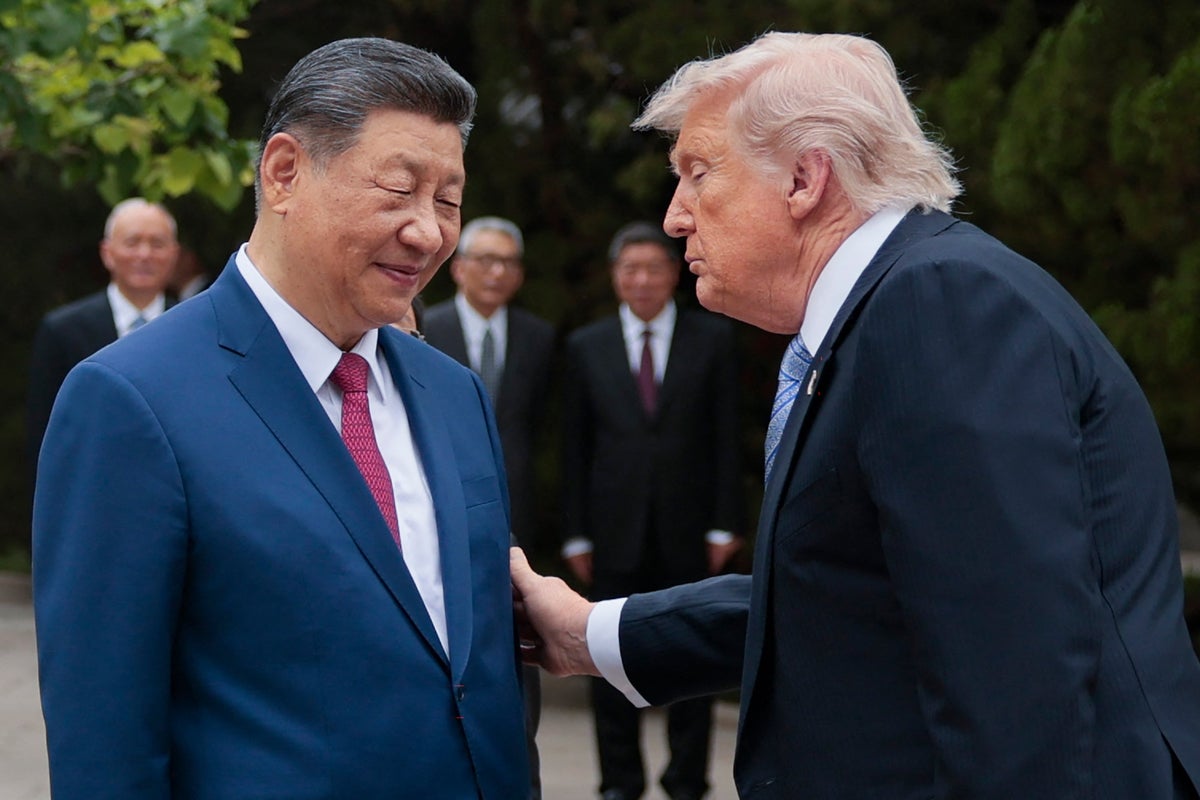
The Trump administration is considering allowing U.S. pharmaceutical companies to continue striking most licensing deals with Chinese drugmakers despite its broader crackdown on investment in China, according to people briefed on the plans.
Rules being drafted by the Treasury Department would likely allow American drugmakers to invest in promising medicines being developed by Chinese companies, provided they are not linked to pathogens or biotechnology that could potentially be weaponized, three sources told Reuters.
The approach would be considerably looser than restrictions sought by some lawmakers and smaller U.S. biotech companies, which argue that American investment is helping China challenge the U.S. for dominance of the pharmaceutical industry.
The proposed rules have not been finalized and could still change, particularly if President Donald Trump intervenes, the sources said.
The stakes are enormous. Licensing deals involving Chinese biotech companies were worth $115 billion last year, according to research firm GlobalData, providing U.S. pharmaceutical companies with new drugs for their pipelines while funneling billions of dollars into Chinese firms.
Almost half of U.S. deals to license drugs from overseas in 2025 involved Chinese companies, GlobalData found, with the trend continuing this year.
Pfizer recently announced a collaboration worth up to $10.5 billion with China's Innovent Biologics covering 12 cancer programs, while Bristol Myers Squibb struck a partnership worth as much as $15.2 billion with Jiangsu Hengrui Pharma.
Major pharmaceutical companies have been lobbying the Trump administration against sweeping restrictions.
Pfizer CEO Albert Bourla said he had discussed China and national security with Treasury Secretary Scott Bessent, Secretary of State Marco Rubio and officials at the Department of Health and Human Services.
Bourla argued that licensing medicines developed by Chinese companies does not pose a national security threat.
"I don't think that that's the way to compete with China, to try to slow them down," he said.
"The important thing is to have a new medicine, and I don't see any national security concerns for something like that."
But some lawmakers and smaller biotech companies are pushing in the opposite direction, warning that continued investment could leave the U.S. strategically dependent on China for new medicines.
"Are we okay with a strategic dependence on China for innovative drugs?" said Ginkgo Bioworks CEO Jason Kelly, who has urged Treasury officials to impose restrictions. "Because that's what we are currently doing with this offshoring."
Republican Rep. John Moolenaar and Democratic Rep. Debbie Dingell are among lawmakers seeking tougher restrictions.
Moolenaar has urged Treasury to use the COINS Act, a 2025 national security law restricting some outbound U.S. investment, to clamp down on pharmaceutical transactions involving China.
The pair are also sponsoring legislation that would tighten scrutiny of biotech investments, licensing agreements and joint ventures involving Chinese companies.
Moolenaar has argued that American money flowing into Chinese biotech is helping Beijing move rapidly up the pharmaceutical industry's value chain.
Democratic Rep. Jake Auchincloss, whose Massachusetts district includes numerous life-sciences companies, said attempts to contain China's pharmaceutical industry by restricting American investment were unlikely to succeed.
"China is spending 100 billion dollars on biotechnology. China has brilliant scientists," he said.
Treasury and the White House declined to comment on the proposed rules.
The deliberations come ahead of Chinese President Xi Jinping's expected meeting with Trump in the U.S. next week. The new pharmaceutical investment rules are not expected to be unveiled before that meeting, according to people briefed on the process.