Amid poor pay, insecurity, UN, others project 50m teachers by 2030 - The Guardian Nigeria News
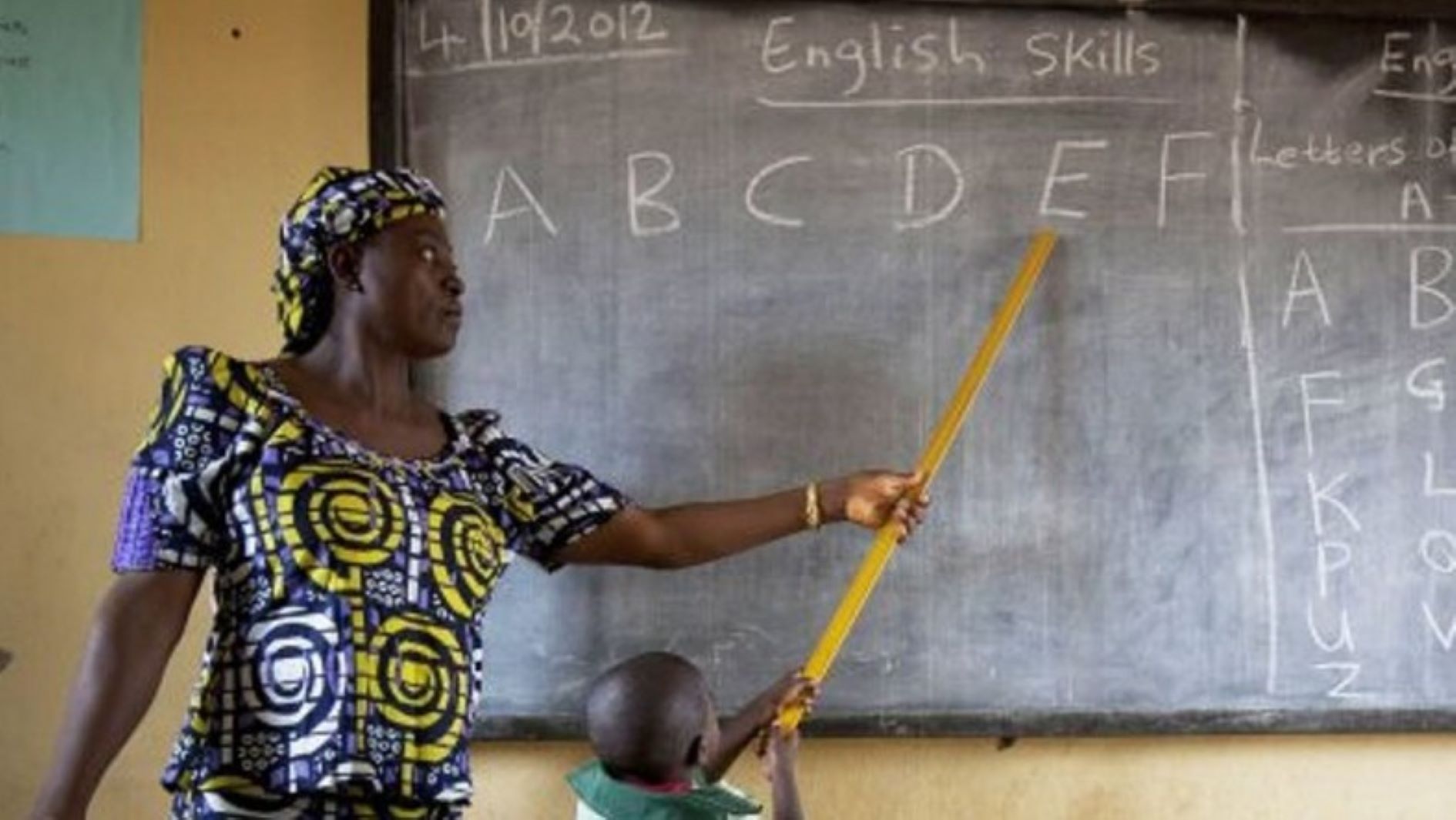
The world will need an additional 50 million teachers by 2030 to meet global education needs, the United Nations Educational, Scientific and Cultural Organisation (UNESCO), International Labour Organisation (ILO), United Nations Children’s Fund (UNICEF) and Education International have warned.
This was as the Precision, Electrical and Related Equipment Senior Staff Association (PERESSA) warned that poor pay, insecurity and inadequate welfare were eroding the teaching profession in Nigeria.
The international organisations said that 44 million would be needed to meet the projected requirement for universal primary and secondary education, while another 6 million teachers would be required for pre-primary education.
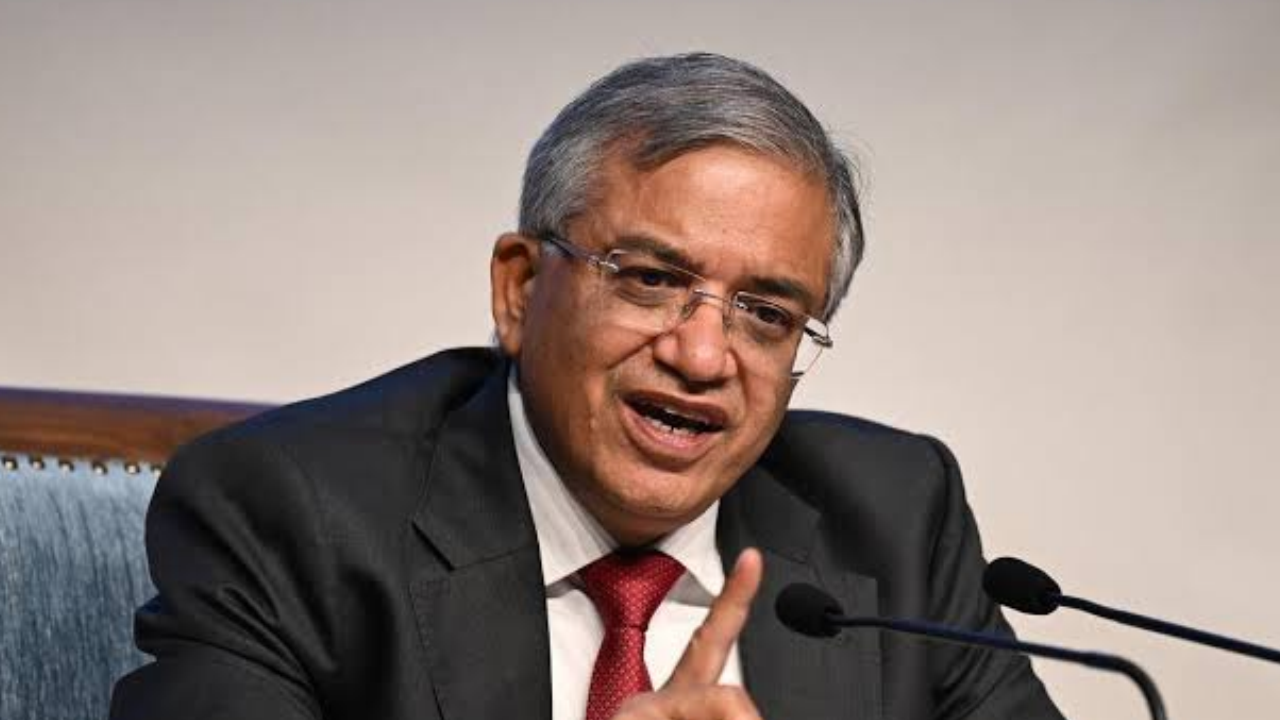
They made this known in a joint message issued to mark the 2026 World Teachers’ Day (WTD), signed by the Director-General of UNESCO, Khaled El-Enany; the ILO Director-General, Gilbert Houngbo; the UNICEF Executive Director, Catherine Russell; and the Education International General Secretary, David Edwards.
The organisations said addressing the global teacher shortage required not only recruiting new teachers but also retaining experienced educators by making teaching a motivating, rewarding and sustainable career.
They stressed the need for high-quality initial teacher education, continuous professional development and safe and supportive working environments, while urging governments to trust teachers’ professional judgment and include their experience in shaping education policies.
The statement noted that the call for stronger protection of teachers was particularly important 6years after UNESCO and ILO adopted the Recommendation concerning the Status of Teachers, which established a shared vision of teaching as a profession deserving public recognition and institutional support.
According to the organisations, the core purpose of the 1966 recommendation remains relevant, as teachers continue to face growing demands in a rapidly changing world.
They said teachers were now expected to do more than impart knowledge and skills, as they were increasingly required to promote critical thinking, inclusion, resilience, life-long learning and responsible citizenship amid technological change, artificial intelligence (AI), climate change, conflict, displacement and persistent inequalities.
“Recruiting new teachers is as necessary as retaining experienced ones and ensuring that teaching offers motivating, rewarding and sustainable career pathways,” they said, adding that opportunities should also be created for female teachers to assume leadership positions.
PERESSA, in a statement issued by its National President, Rufus Olusesan, to commemorate the WTD, stressed that teachers were increasingly working under difficult conditions despite their critical role in developing the country’s human capital.
Olusesan said insecurity made teaching increasingly dangerous, with teachers kidnapped, killed and displaced in several parts of the country.
He cited Chibok, Dapchi, Kaduna, Zamfara, Orire in Oyo State, Maiduguri in Borno State and Niger State among areas where teachers faced security threats.
He said teachers in some communities had become soft targets, while some schools had been forced to close because educators were afraid to resume work.
Describing the situation as unacceptable, he stressed that Nigeria could not effectively build its human capital when teachers responsible for educating children were themselves working in fear.
Olusesan also raised concerns about the economic conditions of teachers, saying many educators in some states still earn between N30,000 and N70,000, while others have been owed salaries for months.
He said rising inflation and transport costs further reduced teachers’ purchasing power, forcing some to engage in petty trading, commercial motorcycling, and private lessons to supplement their incomes.
The labour leader said the development was affecting the dignity and motivation of teachers, citing inadequate promotion, training, housing, healthcare and pension benefits as some of the challenges confronting the profession.