‘An Sayaw nin mga Salampati’ and Bicol’s unwavering fight for human rights - Rappler
Already have Rappler+? Sign in to listen to groundbreaking journalism.
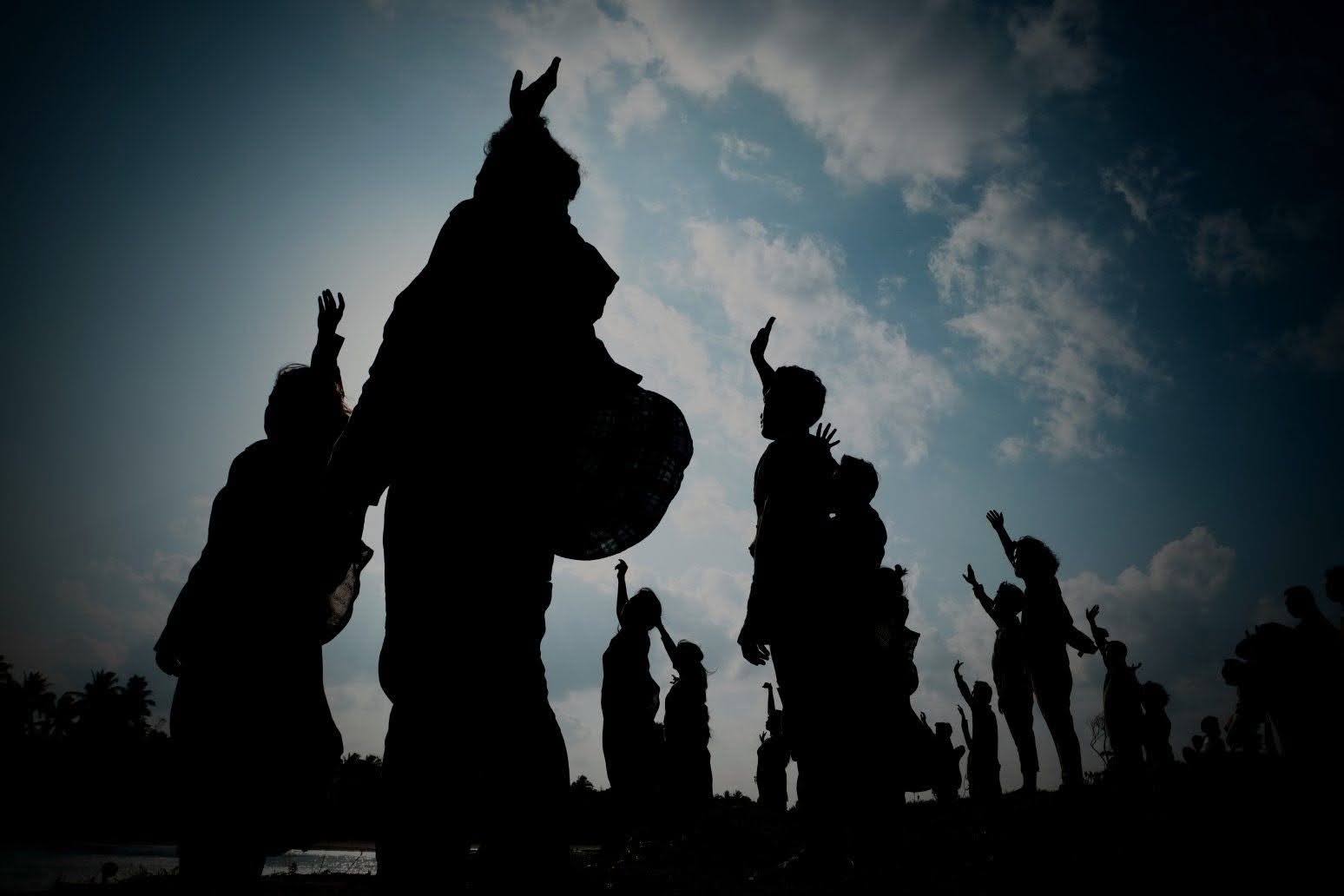
DESAPARECIDOS. Scarecrows erected in the fields of the fictional town of Sinibaan symbolize the many farmers and activists who remain missing in the Philippines.
This is AI-generated. Read the article for full context. Report any errors.
ALBAY, Philippines – Drawing inspiration from the lives of Bicol farmers, An Sayaw nin mga Salampati (Dance of the Pigeons) transforms the grief and longing of the families of desaparecidos (victims of enforced disappearances) into a sharp look at the region’s long-standing fight against systemic human rights violations.
Through the haunting cadences of “Sarung Banggi” (One Evening), playful beats of “Salampating Guminaro” (The Little Pigeon That Has Grown Tame), the melancholic rhythm of “Kudot-kudotan” (The Pinching Game), and other Bicol folk music and dances, the film not only puts the spotlight on regional traditions, but also the people’s collective courage and resistance.
“Beyond being an agricultural nation, the Philippines suffers among the highest recorded cases of disappearances and extrajudicial killings targeting farmer-activists fighting for their ancestral land rights — a reality we aim to shed light on in this film,” said multi-awarded Bicolano filmmaker Arjanmar Rebeta.
Since the 1970s, at least 2,300 desaparecidos have remained missing in the Philippines. Among the latest recorded cases in Bicol are human rights defenders James Jazmines and Felix Salaveria Jr., who were both abducted by alleged state forces in Tabaco City, Albay.
Jazmines was taken on August 23, 2024, and Salaveria suffered the same fate five days later on August 28. Two years on, their families continue to search tirelessly and demand the safe resurfacing of both activists.
“In the fictional town of Sinibaan, women dress scarecrows in the last-worn clothes of the disappeared to stand across the fields as a symbol of their families’ longing for their return. The women left behind by their desaparecido husbands dance the pantomina,” shared Rebeta.
Pantomina is a traditional Bicolano courtship dance, typically performed by newlyweds during weddings to mimic the movements of doves or pigeons.
For Rebeta, the characters performing the dance serve as “a stark reminder for the government and a courtship for justice — a movement that will continue as an act of remembrance and resistance.”
In the film, Ramona Yusay portrays Maura, a folk dance instructor whose husband, Lando (played by Jhong Hilario), has been forcibly disappeared.
Maura and the women of Sinibaan — including Gunda, played by Marietta “Pokwang” Subon — danced pantomina to “express their grief into the streets and fields, turning the dance into a challenge against a system that silences their voices and leaves their loved ones unaccounted for.”
The cast is also joined by local Bicolano artists and the region’s top creative talents in music, dance, and production, including performers Mildred Estella and Kyle Adrian Paga, alongside renowned composer and arranger Ruben Federizon.
As a full-scale musical film, the production faced significant resource hurdles, especially for Giya Studios. Seeing the challenge, the local community stepped up — everyone from thrift shop vendors and farmers to even pigeon owners donated goods and services to drive the project forward.
“During our six-day first shooting leg in Cabusao and Libmanan, Camarines Sur, the community truly adopted us and helped us in so many ways — from small gestures to large contributions,” said Khaye Medina, managing director of Giya Studios.
“They helped us save on costs and sustain this advocacy project, doing everything from building production sets to joining us as talents.”
Medina shared that the local community members who joined as talents did not just help on set; they even organized a “Zumba for a Cause” event to raise funds for the film’s upcoming second shooting leg.
With most of the production crew working as volunteers, Medina and Rebeta emphasized that their top priority for the upcoming second leg is providing proper meals, accommodations, and transportation allowances for the team.
As of September 17, the film’s online crowdfunding campaign has raised P130,000 in cash donations, alongside production support and meal sponsorships provided by local communities.
“Of course, we provide honoraria to our talents, but we never expected them to take the initiative to give back and help us raise funds for production,” said Medina. “That is the real beauty of making this film — it is not just about the community; it is supported and embraced by them.”
The production team is preparing for its next shooting schedule and continues to seek partnerships, major sponsorships, collaborations, and other forms of support.
Those interested in helping can message ‘An Sayaw nin mga Salampati’s (Dance of the Pigeons)’ official Facebook page or contribute through its crowdfunding campaign.