Analysis: PT infighting reignites tensions over fiscal adjustment - Valor International
Already struggling to demonstrate its commitment to fiscal adjustment, Brazil’s economic team is once again facing opposition from within the ruling Workers’ Party (PT), fueling further doubts. While the internal resistance may not be strong enough to derail Senate approval of the supplementary fiscal adjustment bill, it adds uncertainty to an already unfavorable environment.
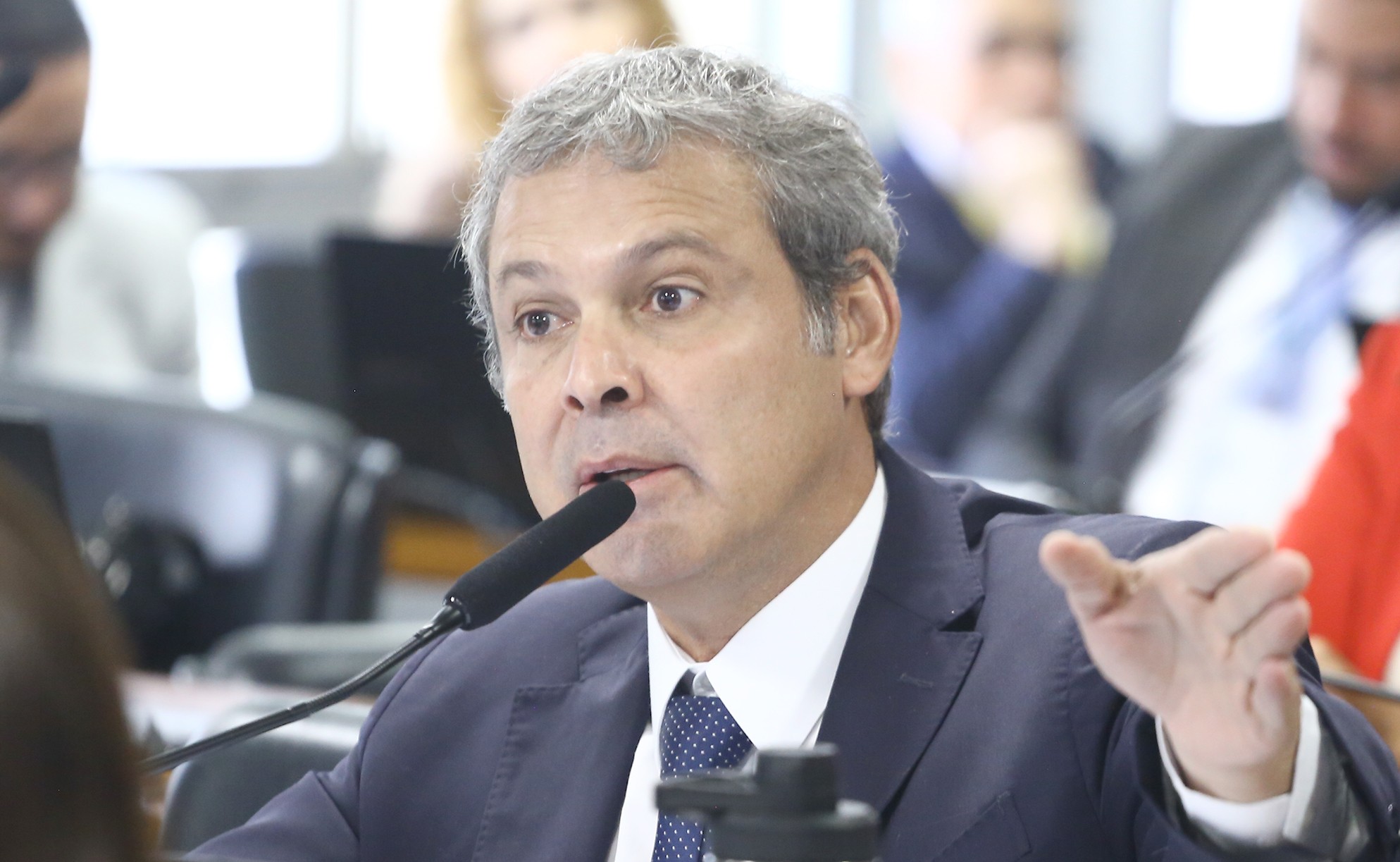
Last week, Congressman Lindbergh Farias (PT, Rio de Janeiro) criticized the economic team, arguing that President Luiz Inácio Lula da Silva’s election campaign had made no promises of spending cuts and warning that the proposed fiscal adjustment could fracture the government’s support base in Congress.
Farias made the remarks during a hearing of the Joint Budget Committee (CMO) attended by Planning Minister Bruno Moretti, one of the main architects of the measures. The backlash from the PT faction gained momentum and spilled onto social media.
Moretti hit back in an interview with newspaper Folha de S.Paulo published Monday (Nov. 16), saying that a sectarian faction of the left was “holding back the fight against privileges” by taking such a stance.
“Very powerful lobbying groups are pushing to avoid bearing their share of this adjustment, which will benefit the entire country, reduce interest rates and bring down debt,” he said. “Curiously, this sectarian segment of the left is walking hand in hand with those groups.”
Before that, Congressman André Janones (Rede, Minas Gerais) had taken to social media to criticize Lula supporters campaigning against the fiscal adjustment. PT Chairman Edinho Silva said the debate was rife with “misinformation,” stressing that the measures would not affect education, healthcare or social programs.
The dispute is the latest in a long series of clashes between the economic team and the PT’s more radical wing over fiscal adjustment.
In 2015, during Dilma Rousseff’s administration, the party became embroiled in internal disputes with then-Finance Minister Joaquim Levy, whose fiscal adjustment plan included spending cuts and restrictions on labor and social security benefits. Levy eventually stepped down.
Between 2023 and 2024, both the PT and Lula himself resisted the commitment to eliminating the primary deficit and criticized the target originally championed by the economic team under then-Finance Minister Fernando Haddad.
Once again, infighting within the PT is generating uncertainty, now amplified by social media. Beyond testing Moretti’s political influence within the administration, the divisions could heighten financial market volatility, deepen investor distrust and raise questions about the government’s ability to advance its legislative agenda through a predominantly conservative Congress.
This article was translated from Valor Econômico using an artificial intelligence tool under the supervision of the Valor International editorial team to ensure accuracy, clarity, and adherence to our editorial standards. Read our Editorial Principles.