Annihilate Iran or not: Trump hinges next war move on meeting with Gulf leaders
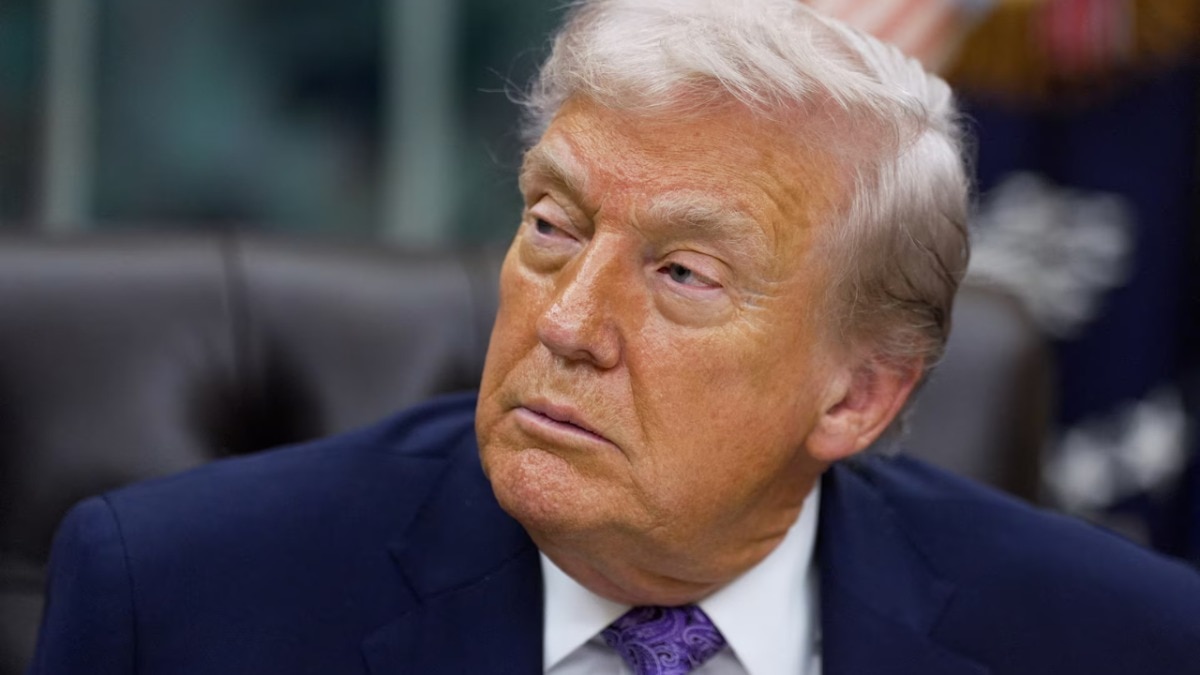
The Iran war has reached a point where US President Donald Trump says the next move could be nothing short of an "annihilation" campaign against Tehran -- or a decision to hold fire. The US President told Axios on Thursday that he is approaching a critical juncture over whether to restart major attacks, even as Washington keeps thousands of troops and military assets in the region, struggles with the mounting cost of the war and tries to restore traffic through the strategically vital Strait of Hormuz.
"I have a big decision coming up. Do I want to go in and annihilate them (the Iranian regime) or do I not? It's a big decision. Anything could happen with me," Trump told Axios.
The blunt warning comes at a pivotal moment for Washington. Trump has repeatedly said in recent days that he wants the conflict to end soon, but US forces remain positioned in the Middle East for a possible escalation. The US president is also preparing to meet leaders from six Gulf countries on the sidelines of the UN General Assembly in New York next Tuesday, where the future of the war is expected to be a major issue.
The six countries -- Saudi Arabia, UAE, Qatar, Bahrain, Kuwait and Oman -- have all been affected by the conflict and its impact on security and energy markets. The war has also opened another front in Yemen, where Iran-backed Houthis have launched missile and drone attacks on Saudi Arabia, raising fresh concerns over oil supplies and shipping through the strategic Bab el-Mandeb Strait.
Trump has indicated that he wants to hear directly from his Gulf partners before deciding what comes next.
"I want to find out where they are and how they are doing. We have been very protective of them," Trump said.
The meeting could help determine whether Washington makes another attempt at diplomacy or returns to large-scale military operations. Any decision to intensify the war would carry particular weight for the Gulf states, which have already faced Iranian attacks and the economic fallout from disruption around the Strait of Hormuz.
Trump declined to say whether he would settle on a course of action before or after the US midterm elections.
The US administration has meanwhile maintained a substantial military presence in the region. Trump and Defence Secretary Pete Hegseth have ordered US forces to remain at their current level through the end of the year, according to US officials cited in the report, keeping them ready if the president decides to resume major combat operations.
Trump has described the current US approach as effective, particularly the naval blockade aimed at restricting Iran's oil exports.
"Not one ship has gone to Iran since we started. They tried and we blew them up," Trump told Axios. He also said Iran is in direct contact with Washington and claimed Iranian officials still want to reach a deal.DIPLOMACY OR ANOTHER MILITARY PUSH?
The US President's latest comments come after Washington stepped back from a broader military campaign earlier this year. In early August, Trump held off on resuming major combat operations after Saudi Arabia and Qatar raised concerns that Iran could retaliate by attacking Saudi oil and gas infrastructure.
Since then, the Trump administration has taken a more restrained approach. Washington suspended negotiations with Iran, launched a fresh economic sanctions campaign and continued a naval blockade. US forces focused heavily on reopening the Strait of Hormuz and restoring the flow of oil into global markets.
US military efforts have increased tanker traffic through the strategic waterway, but traffic remains below pre-war levels and energy prices remain elevated.IRAN WAR BILL SOARS TO $38 BILLION
The financial burden adds another layer to the decision of the Republican leader.
The Congressional Budget Office said the US war against Iran had cost the Defence Department about 38 billion dollars as of August 1, covering operational, logistical and sustainment costs, including expended munitions, equipment losses, flying hours and fuel. CBO said monthly costs could reach about 3 billion dollars if fighting returns to roughly the intensity seen in July.
The estimate does not include every cost associated with the conflict, meaning the ultimate bill could be considerably higher. The war has also put pressure on US weapons stocks. CBO said the cost of replacing expended munitions and equipment was a major component of the 38 billion dollar figure and warned that replenishing some stockpiles could take years.
However, the Pentagon has rejected the fact that the US lacks the weapons needed for another major operation. White House spokeswoman Anna Kelly described Trump's military campaign as "decisive action" and said the US has "more than enough munitions, ammo, and stockpiles to serve all of the Commander-in-Chief’s strategic goals and beyond".
Chief Pentagon spokesperson Sean Parnell likewise rejected reports of shortages, saying: "We have everything required to strike at the time and place of the president’s choosing."
At the same time, the Pentagon had sought billions of dollars in additional funding to replenish weapons stocks. Hegseth told senators in July: "Without these funds, we face critical shortfalls."ENERGY SHOCKS, INFLATION ADD TO TRUMP'S IRAN DILEMMA
The war's economic impact is not confined to government spending. CBO said the conflict could push inflation higher, while disruptions around the Strait of Hormuz and attacks on energy infrastructure in the Gulf have contributed to higher oil and gas prices.
That creates another problem for Trump as he weighs his next move. A return to full-scale combat could increase the financial and military costs of the conflict while risking further disruption to global energy markets.
The war is also unfolding against the backdrop of an already stretched US fiscal position. US public debt surpassed 40 trillion dollars in August.
Trump has repeatedly contrasted the current war with the much longer US campaigns in Iraq and Afghanistan. The Iraq war cost about 2 trillion dollars, while the two-decade conflict in Afghanistan cost about 2.3 trillion dollars, according to the Brown University Costs of War project.WHAT COMES AFTER THE WAR?
The White House is also looking beyond the immediate fighting.
According to Axios, the administration is developing a post-war strategy to contain Iran while expanding the normalisation of relations between Israel and other countries in the region. The plan is in its early stages, but it is intended to shape Washington's Middle East policy through the final two years of Trump's term.
Washington's calculations are also being shaped by two calculations -- Israel's October 27 election and the US midterm elections in November. Trump's meeting with Gulf leaders next week could therefore become an important test of whether Washington's regional partners are prepared to support another military escalation or favour a diplomatic route.
And there may be another high-level conversation in New York.
Asked whether he would meet Israeli Prime Minister Benjamin Netanyahu next week, Trump said: "I may."
For the time being, the US president has left the main question deliberately unanswered.
Whether Trump chooses another major military push against Iran or continues searching for an exit through diplomacy could determine not only the next phase of the war, but also the consequences for global energy markets and America’s footprint in the Middle East.- EndsPublished By: Satyam SinghPublished On: Sep 18, 2026 01:26 IST