As Dubai takes work to outdoors, could India's parks follow?
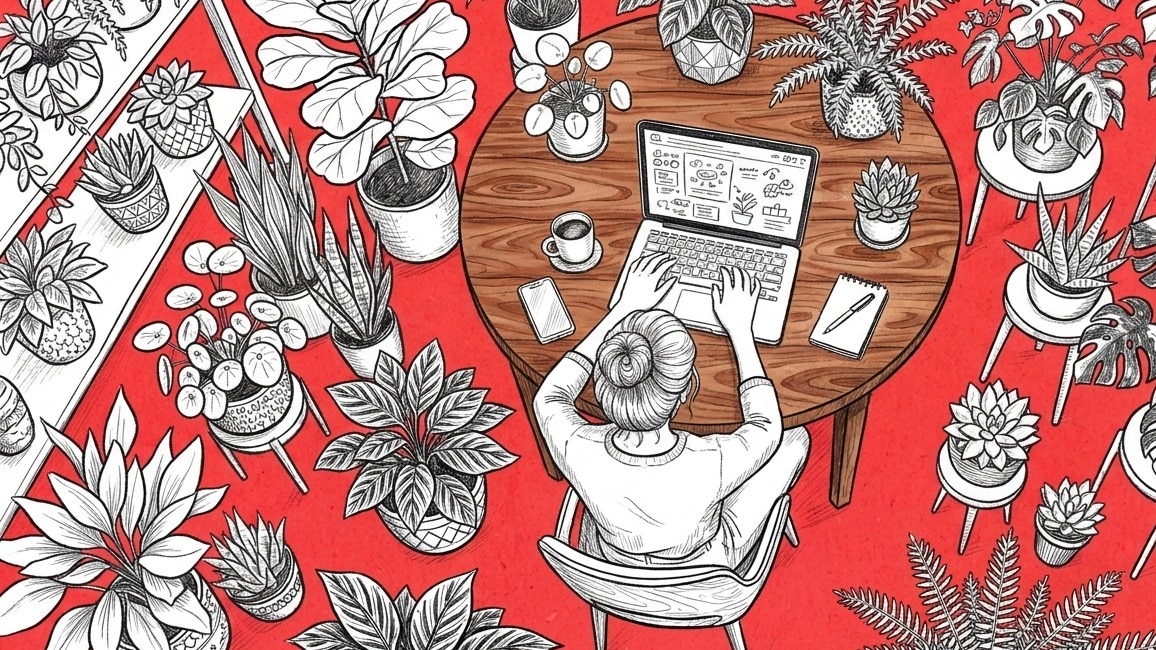
There is a familiar weekday-afternoon scene in cafes across India's metropolitan cities. Someone is working on a laptop by the window, a half-finished coffee beside them, while a video meeting unfolds at the next table. Nobody seems to be in a hurry to leave.
Once places for catching up with friends or grabbing a quick coffee, cafes have quietly become unofficial offices for young professionals, freelancers, students and remote workers. It reflects a larger shift in how people think about workplaces: the question is no longer just whether to work from home or return to the office, but where else work can happen.
Dubai has taken that idea a step further, turning a public park into a dedicated workplace. The experiment raises an interesting question for cities like those in India: could parks become the next alternative to conventional offices? Work from Park: Why the search for a better workplace is moving outdoors (AI-generated image) DUBAI TAKES THE OFFICE OUTDOORS
Dubai has opened its first Work from Park facility at Al Barsha Pond Park, offering professionals an alternative to conventional offices. The initiative, launched by Dubai Municipality in partnership with flexible workspace platform Letswork on November 2, brings together outdoor workstations and indoor co-working facilities, as reported by Gulf News.
The facility offers free outdoor desks with Wi-Fi and charging access, while its indoor co-working area accommodates up to 30 people. A day pass costs Dh50 and includes coffee, with meeting rooms and longer-term desk rentals also available.
Introduced as a pilot, the project could be expanded based on visitor feedback. More than just another co-working space, it raises an interesting question: if people can work from almost anywhere, why should the office remain the default destination?INDIA'S CAFES ARE ALREADY BECOMING INFORMAL OFFICES
India may not yet have dedicated public-park workplaces on the same lines, but the shift towards alternative workspaces is not entirely unfamiliar.
In Bengaluru, Mumbai, Delhi-NCR, Hyderabad and Pune, cafes have become familiar destinations for people carrying laptops alongside their coffee orders. Some arrive between meetings, others spend entire afternoons working on assignments, editing presentations or attending virtual calls.
The attraction is not difficult to understand. For employees working remotely or following hybrid schedules, home can sometimes become monotonous. A cafe offers a change of environment, some background activity and the feeling of being around other people without necessarily having to interact with them.
The changing role of cafes in urban India is also reflected in how they are increasingly becoming shared spaces for people to work, meet, read and unwind. Coffee shops have evolved into informal extensions of the home and office, particularly for younger professionals, freelancers and students who spend hours working from their preferred corners. Work from Park: Why the search for a better workplace is moving outdoors (AI-generated image)
The pandemic accelerated this transformation, but the appeal has continued beyond the period when working from home was a necessity. For many, working from a cafe is now an occasional lifestyle choice rather than a temporary arrangement.
This also connects with a larger shift towards location-independent careers. The idea of working from a mountain village, a beachside cafe or a co-working hub is no longer restricted to travel influencers and a handful of freelancers.
Gen Z professionals are increasingly exploring digital nomadism, prioritising flexibility, experiences and work-life balance over conventional career structures.
One example is Yakten, a Himalayan village in Sikkim's Pakyong district, which has emerged as India's first Digital Nomad Village under the state's Nomad Sikkim initiative. The pilot project aims to attract remote workers from India and abroad, while creating opportunities for local communities.
It points to a larger shift in how workspaces are being imagined in India. The alternative workplace is no longer limited to a cafe in a metropolitan neighbourhood. It could also be a co-working hub in a mountain village, a beachside workspace or a quiet corner in a public park.
These developments are not evidence that offices are disappearing. Rather, they suggest that employees are becoming more particular about what they need from a workplace and when they need it.
However, the growing popularity of working from cafes also comes with an uncomfortable question: how long can a hospitality business accommodate customers who occupy tables for hours with a single coffee?
A July 2026 incident in Bengaluru brought this tension into focus. A cafe in Indiranagar attracted attention after introducing a workspace charge of Rs 99 an hour. The decision triggered an online debate over whether cafes should be expected to function as informal co-working spaces. Work from Park: Why the search for a better workplace is moving outdoors (AI-generated image)
The hourly workspace fee introduced by a Bengaluru cafe highlighted the competing expectations of cafe owners and customers.
For a remote worker, occupying a corner table for three hours may seem harmless. For a business operating in an expensive neighbourhood, that same table could have accommodated several customers during the period.
There is also the question of whether every cafe is equipped to support a working crowd. Reliable Wi-Fi, charging points, comfortable seating, adequate lighting and a quieter environment are not guaranteed.
Some establishments may welcome laptop users, while others may prefer to preserve their spaces for customers who come to eat, drink and socialise.
This creates an interesting contradiction. Employees want cafes to offer the comfort and convenience of an office, but cafes are not necessarily designed or priced to provide that service.
The emergence of paid workspaces within hospitality establishments could therefore become one way of resolving this tension. It also suggests that the demand for flexible work environments may be creating opportunities for businesses beyond the traditional co-working industry.advertisementCOULD INDIA BUILD IT'S OWN WORK FROM PARK?Dubai's experiment raises an interesting possibility for Indian cities. Imagine public parks in Bengaluru or Delhi-NCR with shaded workstations, reliable Wi-Fi, charging points and small meeting facilities, offering freelancers and remote employees an alternative to expensive cafes.
India already has co-working centres, libraries and work-friendly spaces in hotels. Public parks could be the next addition to this changing workplace landscape.
However, making the idea work would require more than installing desks. Cities would need reliable internet, electricity, washrooms, safety and weather protection. Extreme summers, monsoon rains and poor air quality could also limit outdoor working.
Any such initiative would have to balance the needs of working professionals with the primary purpose of public parks: providing accessible green spaces for everyone. Work from Park: Why the search for a better workplace is moving outdoors (AI-generated image) DOES THE OFFICE STILL MATTER?
Working from anywhere sounds liberating, but it does not mean working better everywhere. Cafes can be noisy, parks lack privacy, and neither necessarily offers the infrastructure needed for concentrated work.
There is also the human side of office life. For young employees, mentorship, informal conversations and learning from colleagues remain important.
The future may not involve abandoning offices altogether. Instead, workplaces could become spaces for collaboration and team-building, while employees get greater freedom to complete individual tasks elsewhere.WORK WITHOUT WALLS
Dubai's Work from Park experiment raises a bigger question: where should people work in a world where many jobs require little more than a laptop and an internet connection?
Cafes, co-working hubs and digital nomad destinations have already challenged the traditional office. Public parks could be the next experiment, provided cities make them practical and accessible.
Not every profession can function outside an office. But for those that can, the possibilities are expanding.
Perhaps the future office will be a familiar cafe on Tuesday, a co-working space on Wednesday and a shaded park workstation on Friday. The workplace may no longer be a fixed address, but wherever people can work well.- EndsREAD | The office day ends at 7 pm. The second shift doesn't
Fictional worlds, caffeine, good food, and great fashion are some of my favourite things. Hi, I'm Karan—nice to meet you.
Professionally, I tell stories that inform, inspire, and make education more accessible. When I'm not writing, you'll probably find me buried in a book, exploring a new café, planning my next trip, or debating fashion trends and food recommendations with friends.
I live by a simple philosophy: life is like a confetti shower—brief, beautiful, and full of possibilities. The goal is to experience as many sparkles as you can before they drift away.