As Trump-fever has cooled, one world leader has stepped up to fill the ethical void
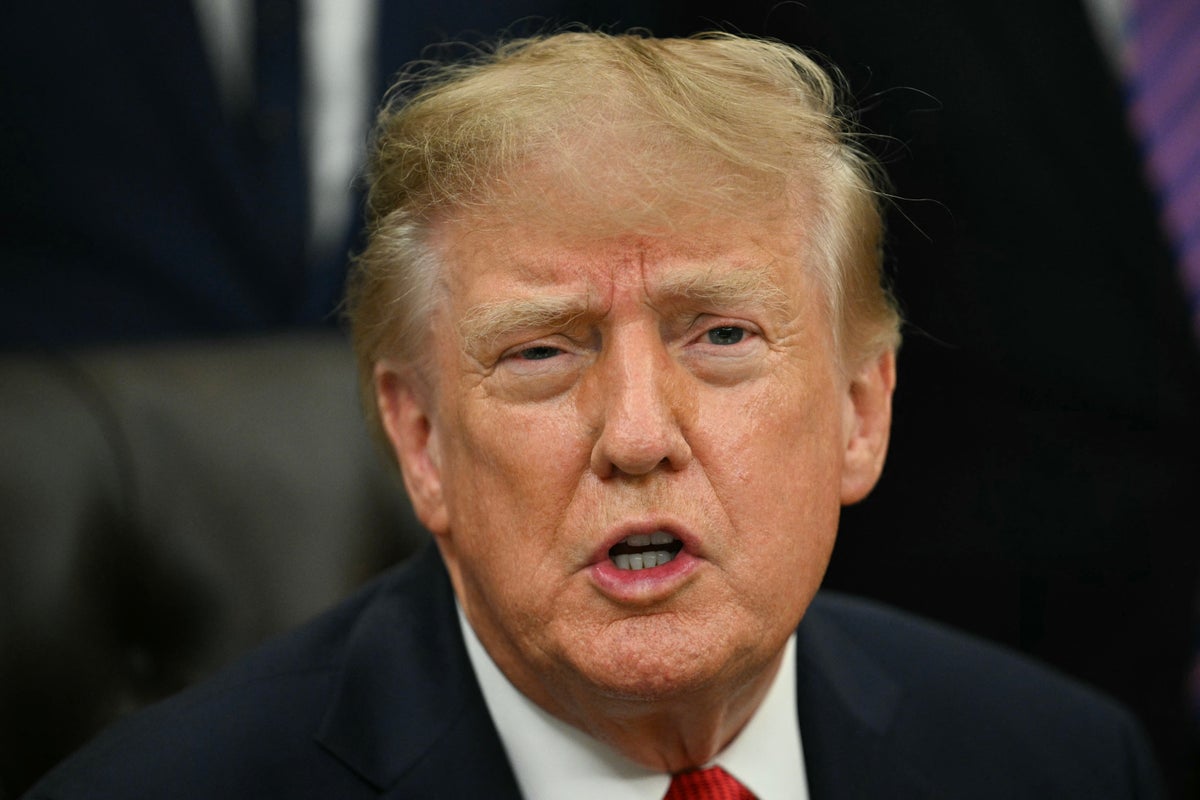
For the past decade, global diplomacy has been dictated by one man’s social media musings. Since Donald Trump first glided into the Trump Tower atrium on his golden escalator, he – and what he has to say – has been the story, throwing red meat to the media and shaping the affairs of the US and the wider world through reactions to his increasingly imperial pronouncements.
But the 47th US president has been off-key of late, and his outbursts on everything from tariffs to the war in Iran have sent his popularity tumbling, not least in Europe where just 8% of Italians have a positive view of him, 10% of Germans and 13% of us in the UK.
As Trump-fever has cooled, one man has stepped forward to fill the ethical void. The Canadian prime minister, Mark Carney, has taken a stand against his bothersome southern neighbour and, in so doing, has reoriented the free world’s moral compass.
Instead of looking to Washington DC for global leadership, global democracies are increasingly looking to the middle power man in Ottawa.
Carney is a banker – or at least that was the world’s view of him until recently. He was governor of the Bank of Canada during the financial crisis of 2008, before leading the Bank of England from 2013-2020.
He only became a politician when elected leader of the Canadian Liberal Party in March 2025 and ensuring his mandate through a landslide national elecion win the following month. But he has quickly emerged as a voice of political reason against the continued waves of Trump tirades.
This week Carney addressed the European parliament following EU Commission president Ursula von der Leyen’s support for a proposal for Canada to become the EU’s first “associate member”. Much like his speech in Davos in January, Carney noted the current “geopolitical rupture”.
And, much like that Davos speech, he was calm, eloquent and displayed rare intellectual insight over how that rupture might be overcome. At Davos, he emphasised the need for middle powers to step up to the plate. This week in Strasbourg, he added flesh to the bones, stressing how Canada and the EU had complementary strengths. He made the case for a deeper partnership based on cooperation, delivering seamless digital trade in many goods and services, underpinned by people-to-people ties including the free movement of young people.
The Canadian PM laid out a vision where Canada and the EU were allied by “common values, our compatible systems and complementary strengths”. While it’s early days in the discussion of a Canada-EU relationship, it was a seductive pitch to “create a beacon for other democracies”.
Mark Shanahan is an Associate Professor of Political Engagement, Faculty of Arts, Business and Social Sciences, University of Surrey. This article is republished from The Conversation under a Creative Commons license. Read the original article .