Astha Kunj aftershock: How numbers betray Delhi's 'rape capital' shadow

Delhi’s notorious reputation as the ‘rape capital’ of India has resurfaced in the wake of back-to-back heinous assaults on teenage girls, almost 14 years since the Nirbhaya gang-rape triggered a series of events that forced an image hit on the city of opportunities. The latest two cases had different circumstances, but the figures in each of them demonstrate why the rape shadow over Delhi lingers.
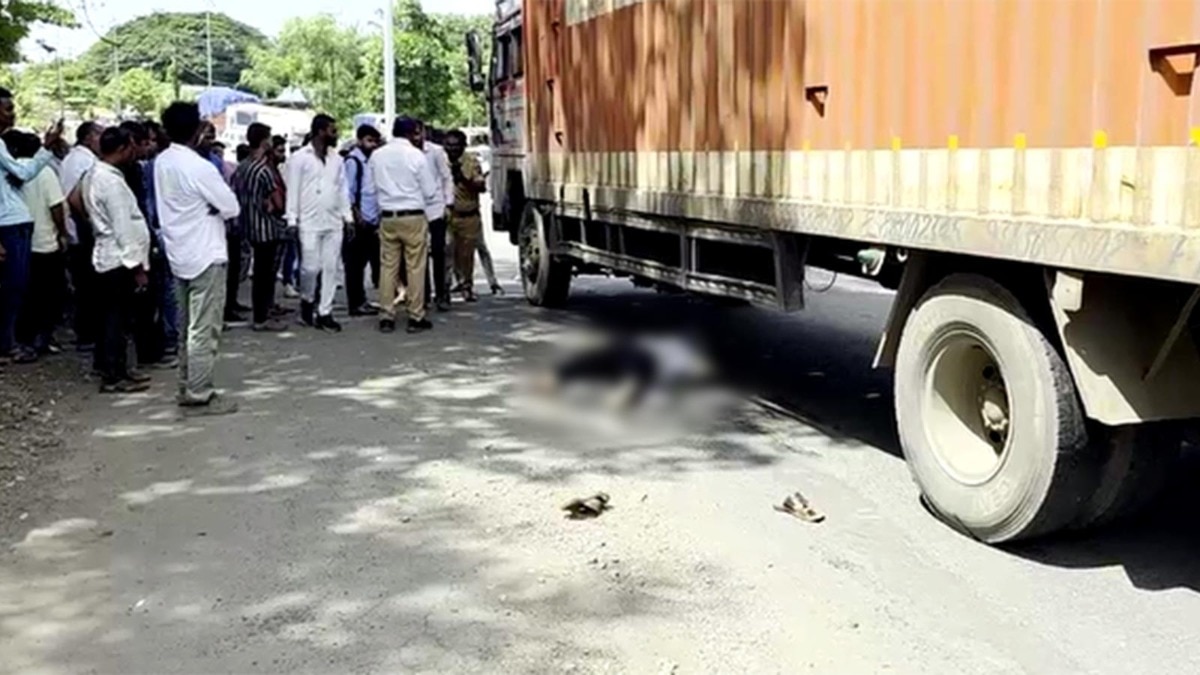
In the first case, a 16-year-old girl was allegedly gang-raped and murdered in Outer North Delhi. Her decomposed body was found in a field in Swaroop Nagar on September 13. Police said she had met up with a 17-year-old friend, who then called three others to perpetrate the crime. Three of the four accused are juveniles. They were tracked down with the help of CCTV footage.
On September 21, a 17-year-old girl was allegedly gang-raped by three men at the Aastha Kunj Park beside Nehru Place in Southeast Delhi. It was the survivor’s birthday and she had gone to the park with a male friend. According to the FIR, three men came impersonating as police officers, asked for the phone numbers of the teenagers’ parents, beat up the boy, and raped the girl at knife point. A firearm was also used to threaten her.
The police arrested the suspects quickly. One of them, identified as Asif, got injured in the leg by a police bullet during arrest. He was reportedly a police informer previously in the same district. The second accused, Hemant Singh, is a practising lawyer and the third, Mukesh Singh, a college student.
Police sources said Asif had previously been caught for alleged sexual harassment but let off as no formal complaint was made. Witnesses reportedly told the police Asif and Hemant had previously harassed people in the park. Investigators are probing if they had assaulted women in the past. Twelve witnesses, including security guards, have been spoken to by the police.
The Aastha Kunj case exposes the security vulnerabilities of Delhi’s public spaces. The Delhi Development Authority (DDA) park spans across 142 acres. Police said the park’s interiors were found to lack CCTV surveillance, most CCTV cameras at the entry gates weren’t functioning, and the guard cabin, located close to the crime spot, did not have electricity supply.
The first reaction was all too familiar. Delhi Police commissioner Anurag Kumar issued instructions to his officers to identify around the city areas that were dark/under-lit or had non-functional CCTVs, as well as unsafe parks, roads and deserted stretches and bring them to the notice of civic agencies. Police presence was increased near parks, subways, foot overbridges and various hotspots.
The two September cases shouldn’t be viewed as isolated shockers in a city that reports a high number of rapes and sexual assaults very year. In 2025, according to Delhi police, 1,901 cases of rape were reported. In 2024, the count was 2,076 cases and in 2023 2,141.
The numbers for 2025 average to over five rape cases a day, despite two consecutive annual decreases. This is a stark contrast from the period before the December 2012 Nirbhaya gang-rape. Delhi registered 469 rape cases in 2009, 507 in 2010 and 572 in 2011. The total cases for those three years (1,548) is about a fourth of the combined count for 2023, 2024 and 2025 (6,118 cases).
This, though, cannot be read as evidence that the underlying incidence of rape has increased fourfold. The numbers only reflect cases registered and not those that went unreported. There have also been significant changes in the legal and reporting landscape since the Nirbhaya case. In 2013, laws against sexual offences were made stringent and pressure mounted on the police to mandatorily register complaints and deliver, altering the context in which sexual offences are reported.
However, 13 years on, the statistics still make for uncomfortable reading. Delhi had the highest number of rape cases in 2024 among 19 metros, according to the National Crime Records Bureau (NCRB). It also had the highest absolute figures in crimes against women (13,396) and children (7,662) for the period. Each piece of data only shows the continuing magnitude of the problem.
There is another side to the Aastha Kunj case. In majority of rape cases registered in Delhi, the accused is/are known to the survivor. In this case, police say the three accused had encountered two teenagers and used the authority of the police itself as a weapon. They allegedly adopted police jargon, threatened to file a case against the boy under the Protection of Children from Sexual Offences (POCSO) Act, and made the minors believe they were dealing with police personnel.
The assault occurred in a park with insufficient security surveillance. Similar safety loopholes abound in public areas around the national capital, calling for a widespread operation to identify vulnerable spaces and make them safe.
The numbers illustrate the difficult problem. Delhi reported an average of 516 rape cases during the three years immediately preceding 2012 (Nirbhaya case) whereas cases in the period 2023 to 2025 have averaged over 2,000 a year. Some of this big spike is due to improved reporting and registration of cases. And yet, 1,901 cases of rape in one year is no consolation or room for complacency.