Astronauts face hidden hip fracture risk after long missions in space
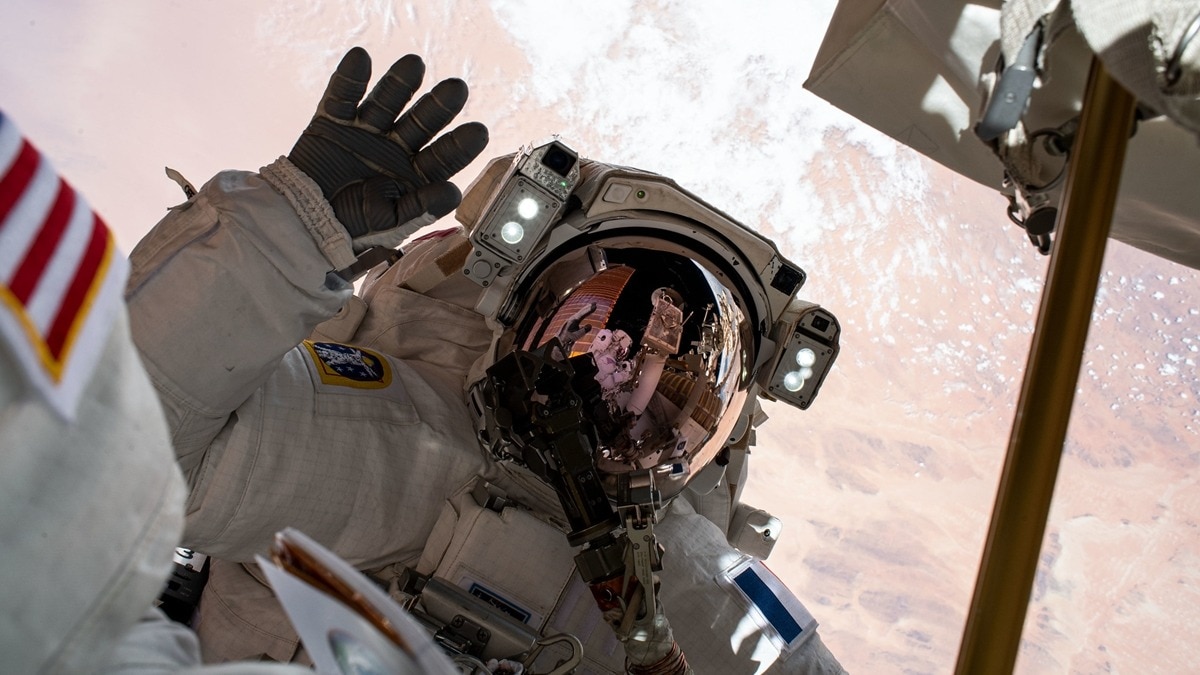
Astronauts may leave Earth physically fit, but a long stay in space could leave behind a hidden weakness that only becomes apparent after they return home: their bones may remain vulnerable to fractures long after the mission ends.
A new study has found that astronauts had a higher rate of hip fractures after returning from space missions lasting more than 90 days compared with astronauts who had shorter missions and people who had never travelled to space.
The study, published in Mayo Clinic Proceedings, examined fracture records from a group of US-based astronauts and used statistical modelling to overcome a major challenge in space medicine: there are relatively few astronauts and even fewer long-duration missions to study.
The researchers found that the increase was specific to hip fractures. They did not find a higher incidence rate for all types of fractures among astronauts.
More importantly, hip fractures occurred at a younger age than would normally be expected in the general population following long-duration spaceflight.
The rate was also higher than that seen before the astronauts' long missions or among people with no spaceflight exposure.
The research comes at a time when India is also preparing its first pool of astronats to go into space. However, the maiden mission will be around a week.
The reason behind the risk lies in what happens to the human skeleton in microgravity.
On Earth, bones constantly respond to the forces placed on them by standing, walking and other physical activities. In space, astronauts experience microgravity and place far less mechanical load on their skeletons. As a result, they can lose bone and muscle during extended missions.
The problem is that astronauts may not immediately feel the consequences of this bone loss.
Jean D. Sibonga, lead investigator of the study at Nasa's Johnson Space Center, said astronauts may return feeling stable and recovered and then resume physically demanding activities without realising that their bones may not yet have completely recovered.
That could become increasingly important as Nasa plans missions lasting six months or longer, including future lunar exploration and preparations for human missions to Mars.
The researchers say current monitoring of astronaut bone health may also need to go beyond measuring bone mineral density using standard scans.
Nasa has recently begun using quantitative CT scans before and after spaceflight. These scans can provide more detailed information about the internal structure of bones and help determine whether they have fully recovered.
Researchers say this information could help doctors decide when astronauts can safely return to demanding physical activity and identify those who may need additional protection.
Possible countermeasures could include exercise, dietary changes or medicines designed to preserve bone health before, during and after long-duration missions.
The findings highlight a growing challenge for human space exploration: returning safely to Earth may be only the first step. Keeping astronauts' bones strong enough to live safely on Earth, and eventually on the Moon or Mars, could be an equally important challenge.- Ends