At COP31, Indonesia’s forest promises face an enforcement test - The Business Times
AT THE opening of Indonesia’s pavilion at COP31 in Antalya on Monday (Nov 9), presidential special envoy for climate and energy Hashim Djojohadikusumo presented an ambitious message to the world.
Indonesia, Hashim said, was committed to protecting forests and oceans, restoring ecosystems and advancing the energy transition. He confidently declared that Indonesia was “walking the talk”.
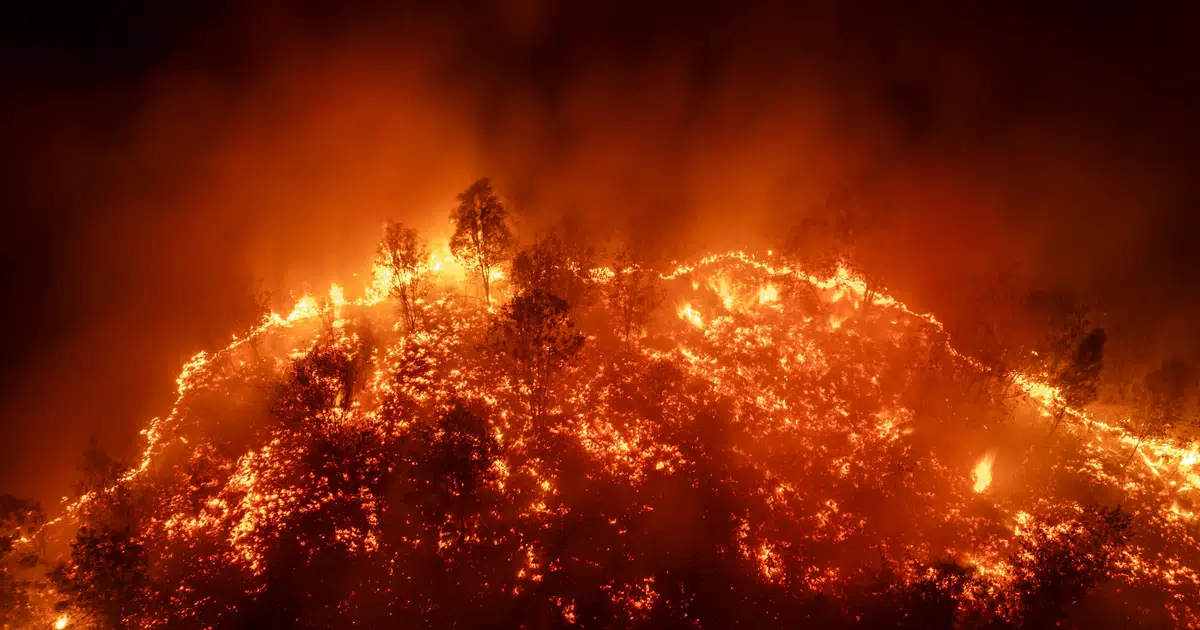
Yet smoke from Indonesia’s forest and land fires underscores the formidable challenges ahead. The 2026 fires have damaged public health, destroyed ecosystems and again carried haze into neighbouring countries such as Singapore and Malaysia.
If Indonesia wants international confidence in its climate leadership, it must ensure accountability at home is traceable.
Indonesia does not lack legal powers: Law No 32 of 2009 on Environmental Protection and Management already provides administrative, civil and criminal routes. Article 87 permits compensation and environmental restoration.
Articles 116 to 119 allow proceedings against a corporation and those who ordered an offence or led the relevant activity. Additional measures include confiscating criminal proceeds, closing operations and requiring environmental repair.
The Plantation Law also prohibits businesses from clearing or cultivating land by burning. Furthermore, Presidential Instruction No 3 of 2020 assigns responsibilities across ministers, regional governments, the police and the military for preventing and controlling forest and land fires.
The recurring problem lies in implementation. Powers are exercised relatively slowly, unevenly and with too little public information about their results.
On Oct 29, 2026, the National Police reported that 245 individuals and 20 corporations had been named as suspects. Corporate cases covered 104 police reports and about 29,169 hectares (ha) of burnt land, mostly peatland. Investigators also recommended the revocation of permits held by 23 companies.
These are significant steps, but announcing the number of suspects does not necessarily reveal whether accountability follows. Suspect status is still a procedural designation, not a finding of guilt.
Indonesia needs a public enforcement register for major forest-fire cases. It should identify the corporate entity, relevant concession, alleged misconduct, procedural stage, permit measures and restoration demanded.
The public needs to know which cases reach court, which permits are revoked and who pays for restoration.
Updates can be designed to preserve the integrity of investigations and the presumption of innocence. Without clear traceability, impressive enforcement figures may conceal cases that stall or disappear from public view.
Corporate liability must also reach the people whose decisions shaped the relevant conduct. Corporations act through individuals who approve operational practices, allocate fire-prevention budgets, supervise concessions and respond to warnings.
Article 116 already permits liability to extend to those who gave orders or acted as leaders of the offending activity.
Investigators should follow the chain of operational control: who knew about the risks, who had authority to intervene, whether adequate equipment and personnel were provided, and whether previous fires or regulatory warnings were ignored.
Parent companies, subsidiaries and contractors may form part of this evidential chain. Beneficial-ownership information can reveal who ultimately controls or benefits from the enterprise, although ownership alone does not establish criminal responsibility.
Liability must rest on evidence concerning authority, knowledge, duties and conduct.
Indonesia has begun to act, but its enforcement must become equally visible. The government should disclose the progress of major corporate cases and coordinate evidence-sharing with Singapore and Malaysia, where corporate structures or supply chains cross borders.
Prevention also requires sustained and transparent funding. Indonesia has a forest-fire budget; the Ministry of Finance notes that emergency funding amounting to an estimated 290.9 billion rupiah (US$16 million) is allocated for activities such as forest-fire suppression.
Yet, the same official analysis called for more specific budget tagging while noting that around 4,800 personnel protect about 125 million ha of forest. This points to fragmented financing, severe capacity constraints and limited public visibility of how much reaches prevention on the ground.
A national-disaster declaration may unlock additional coordination and resources when statutory indicators are satisfied. It cannot substitute for year-round prevention, concession-level inspections and corporate accountability.
Indonesia should publish annual prevention allocations and results, audit companies operating in fire-prone areas and act promptly where equipment, staffing or emergency plans are inadequate.
Repeated fires in the same concessions should trigger more intensive investigation and consideration of permit suspension or even revocation.
At COP31, Indonesia is asking partners and investors to trust its climate commitments. However, that trust will really depend on what happens after the speeches: whether fires are properly prevented, decision-makers are investigated, sanctions are enforced and damaged land is restored.
Indonesia already has the legal tools. The question remains whether its leaders have the political resolve to use them before the next El Nino comes.
Ahmad Novindri Aji Sukma is an environmental lawyer and a PhD researcher at the University of Cambridge, specialising in Criminology. Randy Taufik is a legal counsel and Oxford alumni specialising in corporate and tech law.
Higher rates, weaker spending: Is the Philippines entering stagflation?