At-Home IV Recall Warns of Potentially Fatal Endotoxin Risk - Newsweek
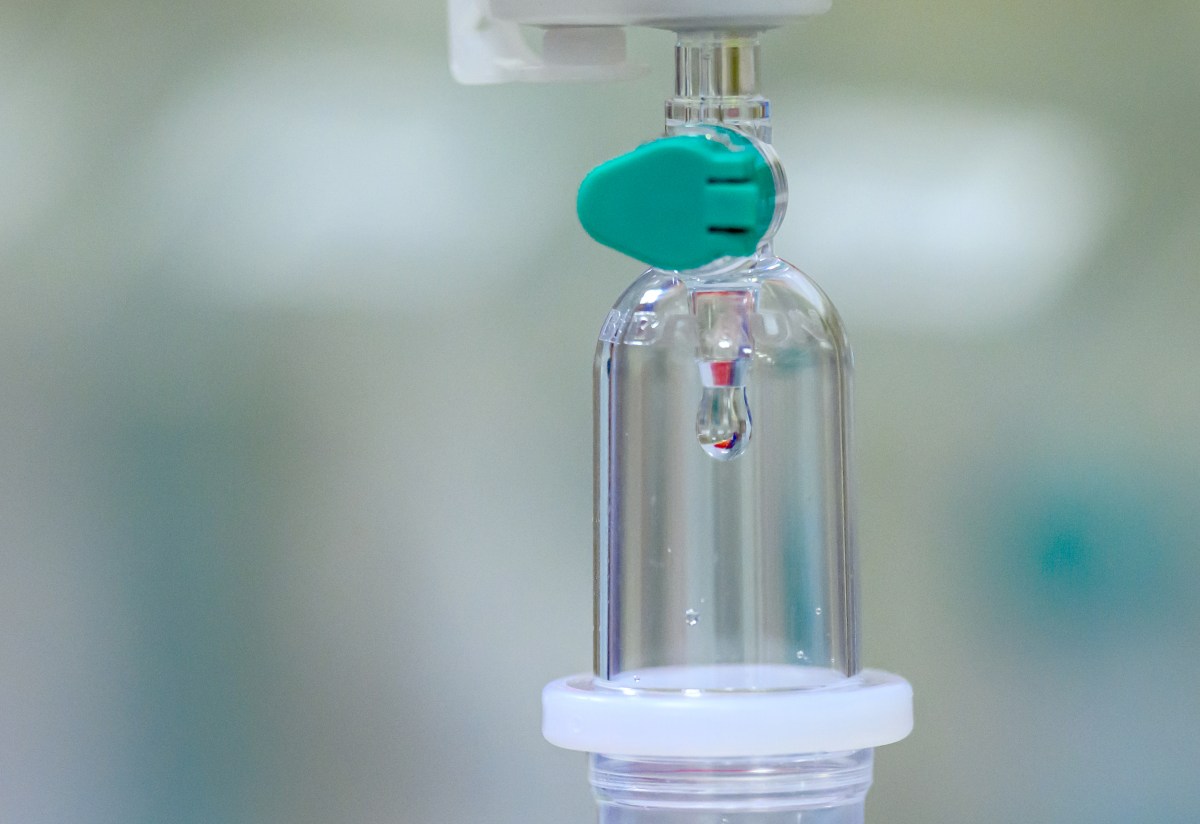
A nationwide recall has been issued for several compounded intravenous wellness products after testing found elevated endotoxin levels in an ingredient used to make the injections, raising the risk of serious and potentially fatal reactions, according to the U.S. Food and Drug Administration (FDA).
The FDA said the recall, which was made on September 9, covers six lots of Glutathione, Myer's Cocktail, and Tri-Immune Boost injectable vials from Centric Compounding LLC, which were distributed nationwide directly to patients through home delivery services and to healthcare prescribers.
The agency reported that the products were compounded using a glutathione active pharmaceutical ingredient contaminated with elevated levels of endotoxins—bacterial toxins that can trigger severe immune responses when introduced directly into the bloodstream.
Newsweek reached out to Centric Compounding by email Sunday for comment.
"Endotoxin in IV solution are unlike bacteria. They are components of the outer membranes of some bacteria like gram-negative bacteria," Dr. Beverley Kraszewski, medical director of IV Evolution Medical, a medical spa in Syosset, New York, told Newsweek in a statement Sunday.
She added: "When an [endotoxin] enters the body intravenously, it can circulate rapidly and activate immune cells creating a severe systemic immune response. Intravenous exposure is very concerning because of bypasses [the body's] normal barriers to prevent infection."
Centric Compounding reported receiving nine adverse event reports linked to the products, with symptoms including fever, chills, chest pain, nausea, vomiting, headache, and malaise.
Because intravenous administration allows contaminants to bypass natural bodily defenses, the FDA warned that exposure can lead to serious medical events, including low blood pressure, inflammatory reactions, anaphylactic shock, sepsis-like symptoms, and death.
The action follows a recent FDA warning advising compounders against using dietary supplement-grade glutathione in injectable products after reports of severe adverse reactions requiring hospitalization.
Centric Compounding said it is notifying customers and distributors by email to arrange replacements. The FDA urges patients in possession of the affected vials to stop using them immediately and discard them, and to contact a healthcare provider if they experience adverse symptoms.
Consumers can also report adverse reactions to the FDA's MedWatch reporting program.
"If you have gone to [an] IV or drip bar and have received a Myer's cocktail or glutathione mixture and have redness at the site of insertion, fever, chills, muscle aches, fatigue, or nausea proceed to your nearest emergency room," Kraszewski said. "You will need to get bloodwork, including blood cultures. If you are asymptomatic, I would still recommend getting bloodwork."
Centric Compounding's recall comes amid heightened scrutiny of intravenous products following another recent nationwide recall involving a commonly used saline solution.
Earlier this month, B. Braun Medical Inc. recalled three lots of its 0.9% Sodium Chloride Injection USP, 100 mL, after particulate matter, including iron oxide, cellulose and polystyrene particles, was identified in the product.
According to the FDA's notice, the contaminated saline solution was distributed nationwide to hospitals and healthcare facilities between February and August 2026. The product is commonly used to provide hydration and electrolytes and as a diluent for intravenous medications.
While the issues differ from the endotoxin contamination cited in the Centric Compounding recall, the FDA warned that intravenous administration of particulate-contaminated products could lead to serious health consequences, including pulmonary emboli, blockage of blood vessels, organ damage, inflammation of veins and immune system reactions. B. Braun said no reports of serious injuries, deaths or adverse events had been received in connection with the recalled saline product.
Contact Newsweek editors for this story: Steve Mollman and Anthony Murray.

_2026_09_14_09_25_41.jpg)