Bangladesh looks to India for wheat as high prices push people from rice to roti
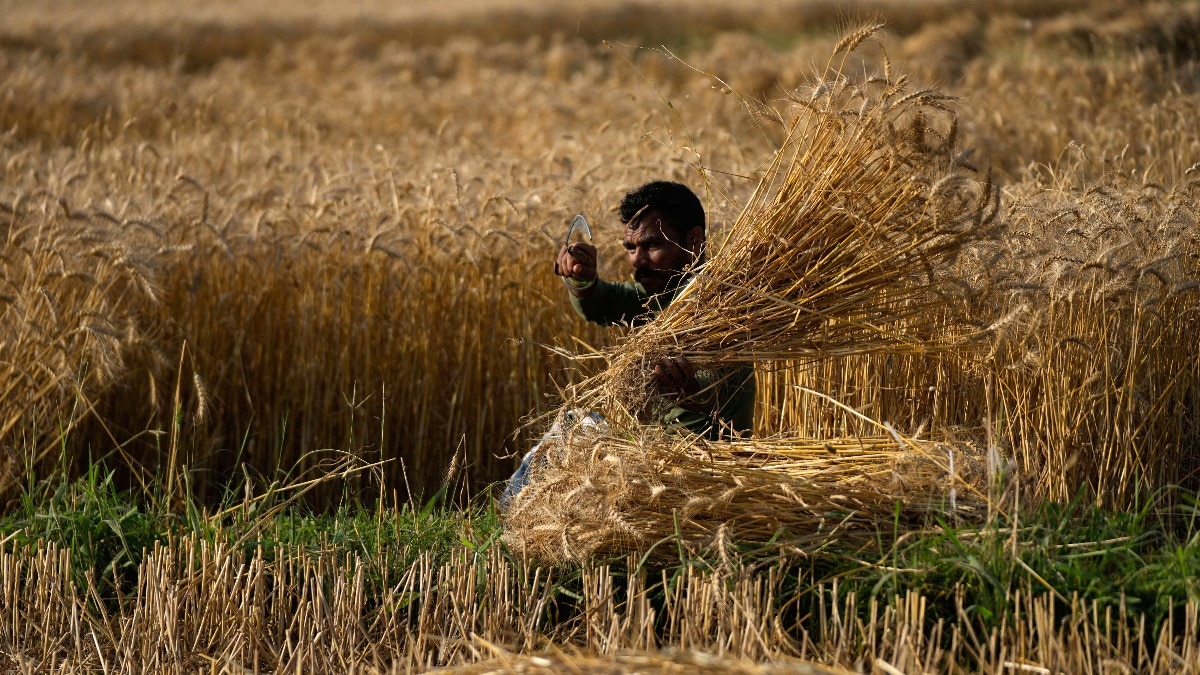
Bangladesh has resumed wheat imports from India for the first time since 2022, as disruptions linked to the ongoing Russia-Ukraine war push up wheat flour prices, which have risen by up to 17% over the past month. At the same time, domestic rice prices have hit an "all-time high", prompting more Bangladeshis to switch to wheat and driving up demand for the grain.
According to a report by US-based news outlet Bloomberg, Bangladeshi traders have booked more than 200,000 tonnes of Indian wheat at between $306 and $326 per tonne, with the consignments set to arrive by rail. The purchases mark Dhaka's first such imports from India in more than four years.
Rice is Bangladesh's staple cereal, but wheat is also the country's second-most consumed grain. According to Dhaka-based The Daily Star, Bangladesh produces roughly one million tonnes of wheat annually but needs to import an additional seven million tonnes to meet domestic demand.
India has historically been a major wheat supplier to Bangladesh, accounting for more than half of its wheat imports in some years. A Daily Star report noted that India exported 11,57,399.35 tonnes of wheat worth $299.4 million to Bangladesh in 2020-21. But that trade was disrupted after India imposed restrictions on wheat exports in 2022.
So, what changed? Why did Indian wheat stop flowing to Bangladesh, and why is Dhaka turning to India again now?WHY DID BANGLADESH STOP BUYING INDIAN WHEAT?
While India used to supply much of Bangladesh's wheat demand, things changed in 2022. That year saw the start of the Russian invasion of Ukraine, disrupting supplies from the two of the world's two largest exporters and briefly led to India becoming a major wheat exporter that year.
At the same time, India's own wheat harvest fell 2.5% to 106.84 million tonnes in the 2021-22 crop year from 109.59 million tonnes the previous year because of a heatwave that year.
After lower than expected harvests and rising global demand led to domestic prices rising between 15% to 20%, New Delhi restricted all wheat exports from 2022. Exceptions were allowed for shipments backed by letters of credit already issued and supplies approved to meet the food-security requirements of other countries.
As a result, Bangladesh was compelled to turn to supplies from Argentina, Canada, Russia and Ukraine, with 40% of imports coming from the Black Sea region.AMID BLACK SEA DISRUPTIONS, INDIAN WHEAT IS FILLING THE GAP
Cut to 2026, things have changed. In August this year, India lifted its four-year-old wheat export ban after a record harvest of 120.65 million tonnes in the 2025–26 crop year created a domestic surplus and depressed incomes for wheat growers.
At the same time, supplies coming from Russia and Ukraine have once again been disrupted because of attacks on shipping and grain terminals along the Black Sea coast. According to Bloomberg, Ukraine's wheat exports have fallen off a cliff, from 4.48 million tonnes in April this year, to 1.13 million tonnes in August.
This is not good news for countries such as Bangladesh that depend heavily on Black Sea wheat shipments. The Daily Star, citing forecasts from the US Department of Agriculture (USDA), reported last year that Bangladesh’s wheat imports could rise to 6.7 million tonnes in 2026, up 7.5% from the previous year. The USDA attributed the projected increase to rising domestic wheat demand amid higher-than-usual rice prices. Cut to 2026, The Daily Star reported in July that average rice prices had risen by Tk 3 to Tk 5 per kg across all varieties, barely two months after the country’s annual May paddy harvest. .
While Bangladeshi importers have been able to secure alternative supplies from countries like Australia, US, and Canada, they are much more expensive. For instance, Australian wheat that previously cost less than $380 a tonne is now costing Bangladeshi importers $480 a tonne, Bloomberg reported, citing Taslim Shahriar, senior deputy general manager at Meghna Group of Industries.
As a result, refined wheat flour prices in Dhaka have jumped 17% over the past month, according to data from the state-run Trading Corporation of Bangladesh.
This is where Indian wheat comes in. India's geographical proximity means shorter transit times and lower freight costs. Bloomberg reported that Bangladeshi importers have been able to secure Indian wheat at between $305 and $326 a tonne. Since India began allowing exports in August, at least 200,000 tonnes have been booked by Bangladeshi buyers.
Bangladesh is not the only country purchasing Indian wheat. According to Bloomberg, Sri Lankan importers have also bought about 60,000 tons of wheat from India recently at around $325 a ton before shipping.
According to a report by the USDA's Foreign Agricultural Service, Indian wheat exports are forecast to more than quadruple to 2 million tons in 2026-27 because of ample supplies and disruptions in the Black Sea, with countries like the United Arab Emirates (UAE) and Indonesia also likely to acquire shipments of their own.- EndsPublished By: Shounak SanyalPublished On: Sep 24, 2026 15:50 IST