Bank Indonesia Reduces Spot Intervention to 30% - Tempo.co English
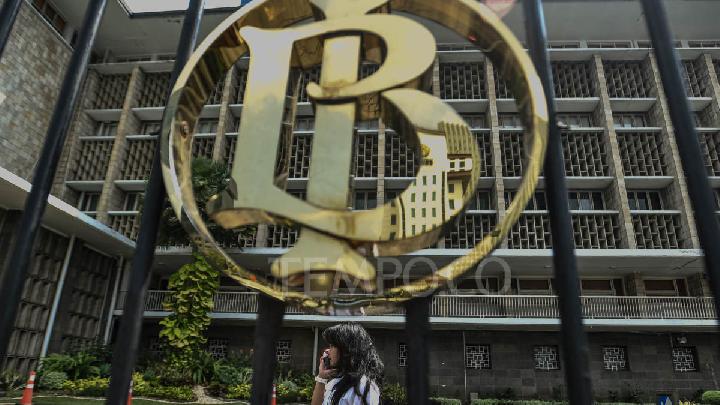
TEMPO.CO, Jakarta - Bank Indonesia (BI) has reduced its reliance on spot transactions to stabilize the rupiah, with spot intervention now accounting for about 30 percent of its total foreign exchange intervention.
BI Governor Destry Damayanti said the central bank was cutting spot intervention because the instrument was considered more costly. BI is instead expanding the use of other instruments, including Domestic Non-Deliverable Forward (DNDF) and Non-Deliverable Forward (NDF).
“We have also significantly reduced costly intervention. Costly intervention is through spot transactions. Spot transactions now account for only around 30 percent of the total intervention we carry out,” Destry said during a working meeting with House of Representatives Commission XI in Jakarta on Monday.
Through spot transactions, BI directly trades foreign currencies in the market to ease pressure on the rupiah.
Unlike spot transactions, DNDF and NDF are foreign exchange derivatives that do not involve the direct delivery of US dollars when the contracts are settled. This allows BI to stabilize the exchange rate without relying on direct US dollar transactions to the same extent as spot intervention.
Destry said the expanded use of DNDF and NDF had proven more effective in helping maintain rupiah stability.
“In the past, spot transactions were dominant because we directly sold dollars, which immediately reduced our foreign exchange reserves. But as we began developing DNDF first and then NDF, these instruments have proven to be more effective,” she said.
Despite the shift in intervention strategy, Destry said the rupiah remained under pressure due to structural issues on the external side of the economy.
BI and the government, through the Financial System Stability Committee (KSSK), are therefore continuing discussions on ways to strengthen the external sector, including by boosting exports and investment.
Destry said efforts to attract investment were not limited to portfolio investment but also included direct investment.
Meanwhile, BI has provided incentives for hedging costs to encourage portfolio investment into Indonesia. The incentive can now also be used for external loans that support lending and investment activities.
“For portfolio investment, we have already introduced the hedging cost incentive. Now, the underlying transaction can also be used not only for portfolio investment but also for external loans that can be used for lending or investment, and we also provide the hedging cost incentive for those,” she said.
The policy remains temporary, with its implementation to be evaluated based on economic data and the need to stabilize the rupiah.
“This is indeed a temporary policy. We will be data dependent, looking at how much it is still needed and its overall impact,” Destry said.