
Behind the data: How NBC News tracked the decline in childhood vaccinations
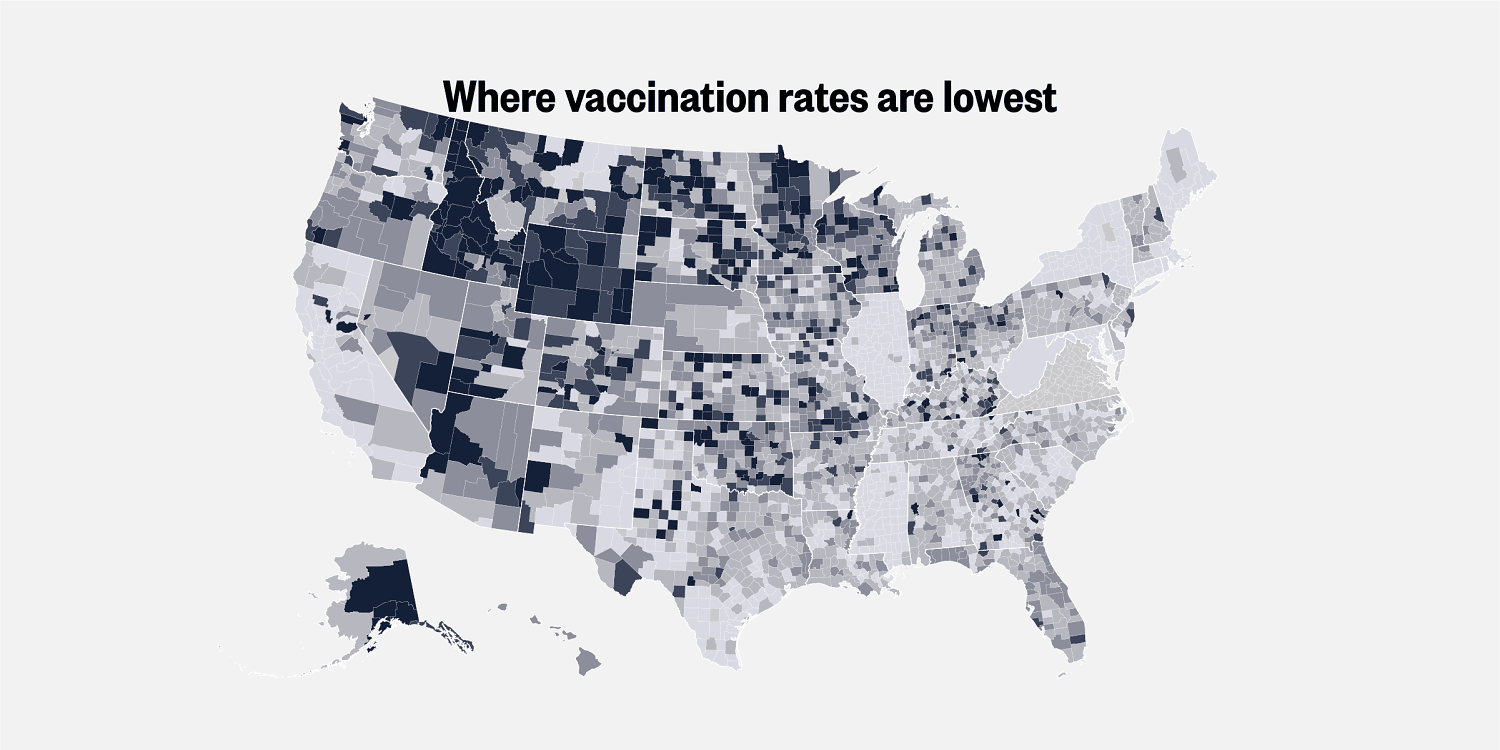
Editor’s note: This 2026 NBC News data investigation is an update of The Vaccine Divide, which was originally published in September 2025. The methodology for both projects is similar. The new data was collected from June to October 2026.
FOR SUBSCRIBERSHow a concerned mother says she helped rescue a missing Utah teen held captive in Oregon FOR SUBSCRIBERSPentagon threatens to ‘physically’ remove reporters if they ‘get out of line’FOR SUBSCRIBERSThe House districts that remain uncalled after the 2026 midtermsFOR SUBSCRIBERSWhy Jensen Huang just might survive this scandalFOR SUBSCRIBERSAmerica defeated measles in 2000. Vaccine opposition brought it roaring back. FOR SUBSCRIBERSRon DeSantis makes his first move toward a possible presidential runFOR SUBSCRIBERSTrump’s DOJ faces an exodus of top officials and incoming Democratic oversightFOR SUBSCRIBERSU.S. on verge of losing measles-free status as cases surgeFOR SUBSCRIBERSMAHA rejoices as Stephen Miller takes over as White House chief of staffFOR SUBSCRIBERSOne idea with universal appeal for Democrats: Get Elon Musk under oathFOR SUBSCRIBERSHow the Kremlin turned out the lights at Russia’s top independent newspaperFOR SUBSCRIBERSThe Data Dive: Steve Kornacki analyzes Texas’ big blue shiftFOR SUBSCRIBERSFederal chip smuggling probe shifted after Nvidia contacted investigatorsFOR SUBSCRIBERSTrump inadvertently led emissions to fall with war in Iran, research showsFOR SUBSCRIBERSHow Congress’ post-midterms session is shaping upSlide 1 of 1For “The Vaccine Divide,” NBC News gathered massive amounts of data from state governments and archives of public records. With the help of infectious disease researchers at Stanford University, NBC News filed scores of requests for documents, including materials obtained under the Freedom of Information Act, and wrestled different types of data into a standardized format to map and compare rates across thousands of counties.
NBC News built a database of childhood vaccination and exemption information using data provided by state governments, primarily health agencies. The data combines public information available for some states and data provided directly to NBC News.
The data covers kindergartner vaccinations for each academic year.
FOR SUBSCRIBERSHow a concerned mother says she helped rescue a missing Utah teen held captive in Oregon FOR SUBSCRIBERSPentagon threatens to ‘physically’ remove reporters if they ‘get out of line’FOR SUBSCRIBERSThe House districts that remain uncalled after the 2026 midtermsFOR SUBSCRIBERSWhy Jensen Huang just might survive this scandalFOR SUBSCRIBERSAmerica defeated measles in 2000. Vaccine opposition brought it roaring back. FOR SUBSCRIBERSRon DeSantis makes his first move toward a possible presidential runFOR SUBSCRIBERSTrump’s DOJ faces an exodus of top officials and incoming Democratic oversightFOR SUBSCRIBERSU.S. on verge of losing measles-free status as cases surgeFOR SUBSCRIBERSMAHA rejoices as Stephen Miller takes over as White House chief of staffFOR SUBSCRIBERSOne idea with universal appeal for Democrats: Get Elon Musk under oathFOR SUBSCRIBERSHow the Kremlin turned out the lights at Russia’s top independent newspaperFOR SUBSCRIBERSThe Data Dive: Steve Kornacki analyzes Texas’ big blue shiftFOR SUBSCRIBERSFederal chip smuggling probe shifted after Nvidia contacted investigatorsFOR SUBSCRIBERSTrump inadvertently led emissions to fall with war in Iran, research showsFOR SUBSCRIBERSHow Congress’ post-midterms session is shaping upSlide 1 of 1After collection, the data was collated, and exemption rates were calculated in order to be analyzed. The analysis focuses on four facets of the data:
With a hodgepodge of formats, jurisdictions and collection practices across states, the task required extensive work to ensure that possible inconsistencies in the data were managed.
This analysis of childhood MMR vaccination rates focused on states that provided MMR figures for the 2025-26 school year. Accompanying the analysis were several variant analyses, which confirmed that the results were robust. The variant analyses all yielded similar results, mostly within 1 percentage point. We also examined the scale of MMR vaccination rate decline across counties, with almost 4 in 10 counties declining by over 5 percentage points since 2019 and about 1 in 8 declining by that amount since 2024. Fewer than 2% of counties declined by 0.1 percentage points or less since 2019.
Many states collect and report their data differently. Some use health districts instead of counties. Some states provided over a decade of data; others provided only two years’ worth. Some states redacted certain data because of privacy concerns.
Dr. Mustafa Fattah is a medical fellow with the NBC News Health and Medical Unit.
Joe MurphyJoe Murphy is a data editor at NBC News.
