BlackRock buys SulAmérica asset manager to deepen Brazil presence - Valor International
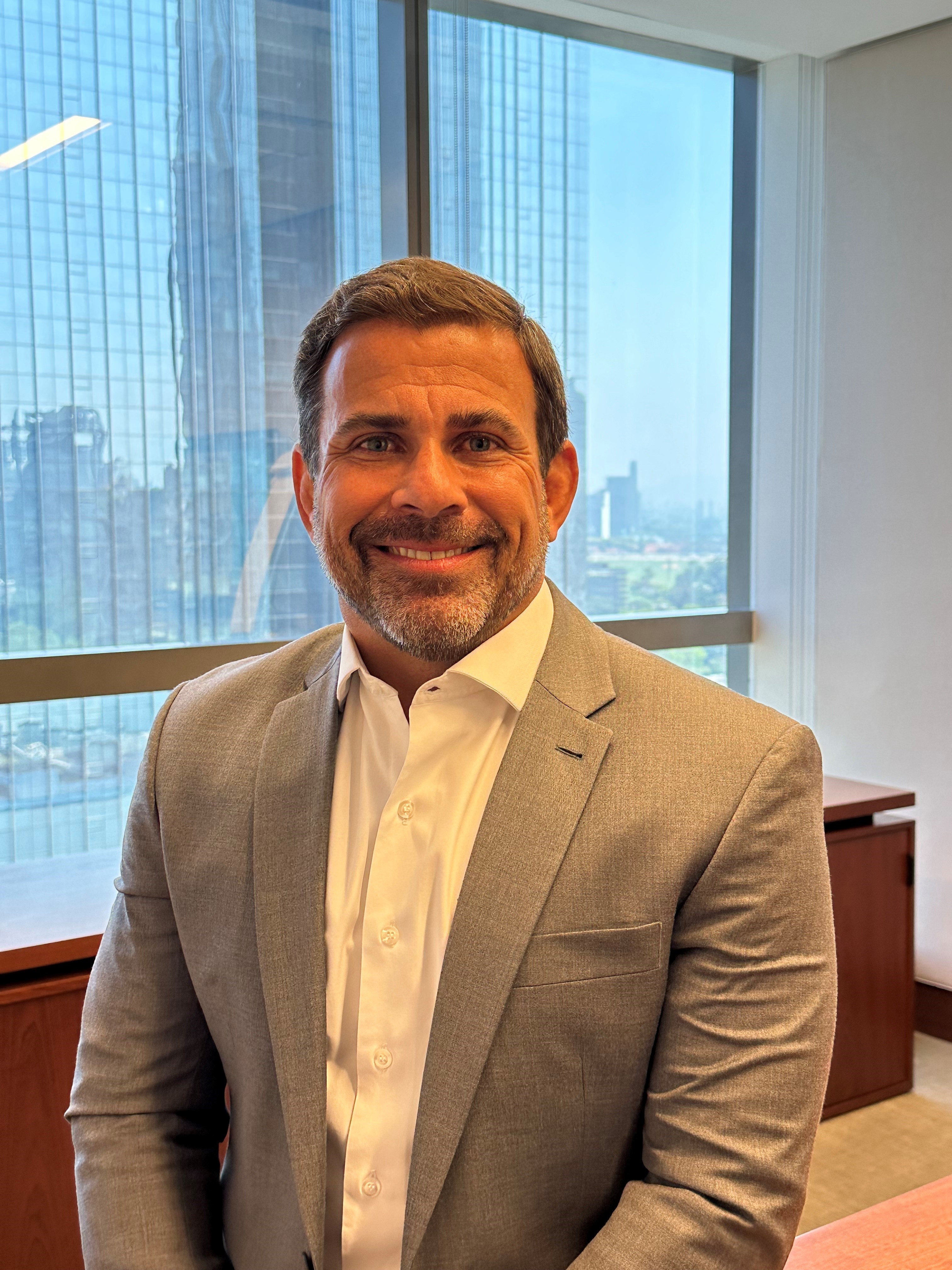
BlackRock has reached an agreement to acquire SulAmérica Investimentos, the asset manager owned by Rede D’Or. Through the transaction, the U.S. giant, which oversees $15.5 trillion in assets globally, will take over an operation managing R$17.5 billion in Brazil. The acquisition is valued at up to R$850 million, according to sources familiar with the deal who spoke to Valor.
Despite BlackRock’s enormous global scale—its assets under management represent several times the size of Brazil’s entire investment fund industry, which holds the equivalent of $2 trillion—the deal marks a major step forward for the company in the country. Brazil’s fund industry is dominated by the vertically integrated structures of large retail banks, which control a significant share of Brazilians’ investments in open-ended funds, particularly fixed-income products, including those held by institutional investors.
In Brazil, BlackRock manages R$18.8 billion in exchange-traded funds (ETFs), according to Anbima, the Brazilian Financial and Capital Markets Association. That figure does not include the U.S. asset manager’s investments in Brazilian equities.
The deal with SulAmérica offers BlackRock a way into the coveted retirement fund market, which is already part of the Brazilian manager’s client base. SulAmérica has relationships with about 200 retirement funds, according to CEO Marcelo Mello, and has approximately 25 distribution agreements, including with the platforms of Brazil’s largest banks.
According to Armando Senra, head of BlackRock’s institutional business in the Americas and of its operations in Canada and Latin America, the company aims to have a local presence in every market where it operates. “In Brazil, we want to be Brazilian. What we were missing here was a local investment management platform. That is particularly important in a country like Brazil, with a capital market of this scale,” he told Valor.
He said the rationale behind the deal is to combine SulAmérica’s local asset management capabilities with BlackRock’s international expertise and extend the reach of its technology solutions. “This expands what we can offer and allows us to serve more clients in Brazil. Some of the limitations we faced will no longer exist,” Senra said.
Mello believes Brazil’s investment industry will become more diversified in the coming years, with investors increasingly seeking exposure to international markets.
“We are seeing the fee-based model grow rapidly. A year and a half ago, it was practically nonexistent,” he said, adding that financial education is advancing and should gain further momentum. “We needed to strengthen our value proposition to be prepared for this scenario. We were able to bring together everything we needed, without overlap, redundancy, or noise, in combination with the world’s largest asset manager,” Mello said.
Senra noted that BlackRock has made other acquisitions throughout its history, including Citibanmex and Barclays Global Investors, and that such moves have always been driven by growth prospects. “We never make acquisitions to generate synergies, improve efficiency, or cut costs. We do them because we believe we can grow more,” he said. BlackRock entered Brazil through the integration of Barclays’ iShares ETF business.
BlackRock did not have in Brazil the liquid-fund investment management platform that SulAmérica brings to the deal. The Brazilian manager, in turn, lacked a global investment management structure in New York and other markets. “This combination creates significant room for growth in Brazil,” Senra said.
In asset management, he said, scale matters. “Our ability to operate at scale is a crucial benefit for clients,” he said. “We don’t need to talk to a client about just one asset class, market, or investment approach. We can discuss the entire portfolio with any client, whether a high-net-worth individual or an institutional investor, across public markets, equities, and fixed income, in any region of the world.” SulAmérica will now be able to benefit from that global reach.
It remains unclear whether the Brazilian asset manager’s brand will be retained. Executives from both companies met with Central Bank President Gabriel Galípolo, but the meeting was described as a courtesy visit. The regulatory approval process will begin following the signing of the agreement. Approval is expected sometime in 2027.
Aitor Jauregui, BlackRock’s head of Latin America, added that open-architecture investment platforms have been gaining ground in Brazil, alongside a clear shift toward fee-based financial advice, in which clients pay advisers directly, rather than the commission-based model, where distributors earn revenue from selling financial products.
“In wealth management, this model is expected to expand. In the United States, it currently accounts for 55% of assets under management in this segment. Its share is smaller in Latin America. In Brazil, we estimate that the model represents an average of about 7% of wealth management assets, although some distribution platforms have already reached 35% or 40%. This shift has accelerated ETF adoption and contributed to that market growth,” he said.
Jauregui said that in wealth management, BlackRock can offer not only ETFs but also solutions combining public- and private-market assets, as well as technology.
Bruno Barino, CEO of BlackRock Brazil, said the deal will allow the company to bring systematic investment strategies, including equity strategies, and absolute-return alternatives to the Brazilian market. “With the advancement of regulations for actively managed ETFs, we will be able to transform the structured-products market with so-called buffer ETFs, which offer partial protection against market declines. Together, we can significantly expand our offering to the market,” he said.
This article was translated from Valor Econômico using an artificial intelligence tool under the supervision of the Valor International editorial team to ensure accuracy, clarity, and adherence to our editorial standards. Read our Editorial Principles.