Brad Bradford promised to put a police substation in Union Station. Toronto police say it’s been in the works for months - Toronto Star
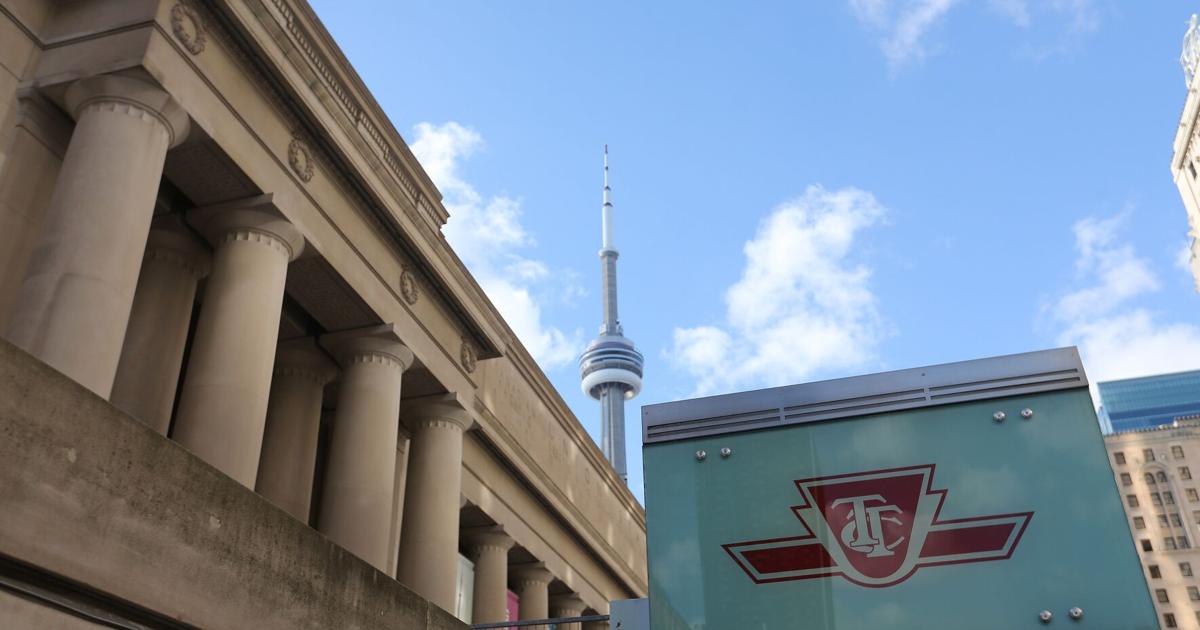
Toronto police and Metrolinx say a permanent police presence at Union Station has been in the works for months.
Union Station is the country’s busiest transit hub, with more than 300,000 travellers passing through daily.
A Toronto mayoral candidate is promising to put a policing “substation” in the country’s busiest transit hub if he’s elected — a plan the police say has actually been in the works for months amid rising service calls.
Last week, Brad Bradford announced that if he’s elected mayor he will place a Toronto police “substation” inside Union Station, in addition to other election campaign policies he’s pitched since last year about TTC safety. The substation would be “a permanent and visible police presence in the busiest building in Canada, so help is never more than a few seconds away,” he said.
But provincial transit agency Metrolinx and the city, which jointly own Union Station, say they have been working together for the past several months to establish a permanent police presence there — including a sort of substation.
“Metrolinx has been working directly with the Toronto Police Service to establish a permanent police presence at Union Station,” said Lyndsay Miller, spokesperson for the provincial transit agency. Miller said the move followed a request from Transportation Minister Prabmeet Sarkaria earlier this year.
Toronto Police Service (TPS) has safety hubs and mobile command posts throughout the city, including at Fairview Mall and the Bathurst-Sheppard intersection, but this would be the first dedicated space for officers in the city’s public transit system.
The plans include a “dedicated physical space” for Toronto police officers, said TPS spokesperson Stephanie Sayer in a statement.
Over the past several months, “TPS has significantly increased its presence at Union, with officers there daily and working alongside Metrolinx special constables,” Sayer added.
“The work now underway builds on that enhanced presence, with the goal of establishing a permanent TPS presence and space at the station.”
It’s unclear where at Union the new police facility would be located — or its size and how many officers might be stationed there. Sayer said more details would be shared in the coming months.
According to sources who spoke with the Star on condition of anonymity to discuss internal deliberations, Metrolinx and Toronto police have discussed increasing police presence at Union Station, including the possibility of 24-hour patrols and expanded patrols to areas surrounding Union, not just inside the station.
These sources said the plan was to start rolling out some form of expanded police presence at Union, including the permanent space, by the end of this year.
Union is Canada’s busiest transit hub, with more than 300,000 people travelling through every day.
It’s common for local police around the world to set up some kind of a permanent post inside major transit hubs. In New York City, for example, there is a police station located inside Grand Central Terminal and Penn Station.
Stuart Green, a spokesperson for the TTC, said the agency would welcome the addition of “any additional safety and security measures at the broader campus (of Union Station),” even if the proposed substation isn’t placed on TTC property.
Last November, Toronto police expanded its neighbourhood community officers program into the TTC subway system and dedicated eight officers to patrol the Yonge Line between Eglinton and Union stations seven days a week, with a particular focus on major transit hubs like Union and Bloor during peak hours.
Data provided to the Star by Toronto police shows that calls for police service at Union Station steadily increased between 2021 and 2023, rising from 702 to 1,039 calls a year, before plateauing in the following two years at around 1,020 calls.
This year calls for service at Union Station are set to greatly surpass that trend, but Sayer said that doesn’t mean there’s been a significant increase in crime.
A more visible police presence at Union Station can contribute to a “greater sense of safety and comfort in approaching police or other partners, making people more likely to report an incident or seek assistance when an issue arises,” she said.
Calls this year for police service are at 1,306 as of Sept. 15. The increase has been driven by “significant growth” in calls for disorderly behaviour, well-being checks, overdoses and arrests, said Sayer.
Union Station has been “the focus of significant, co-ordinated engagement aimed at addressing complex social and public-safety issues,” Sayer said, noting it’s “important context” for this year’s increase in service calls.
Bradford’s campaign team did not respond to questions about how his platform promise differs. It’s also unclear if Bradford or his team were aware of the plans by police and Metrolinx.
“Our campaign commitment on cleaning up Union Station was based off of the daily experience visitors and residents face at Toronto’s front door,” said campaign spokesperson Mark Pelayo. “There is no monopoly on good ideas.”
Pelayo said if these plans are already underway that incumbent Olivia Chow “should have thrown her full support behind our plan” at Monday night’s first mayoral debate, and she should have “said it was something she’s already committed to. That didn’t happen.”
Unlike Chow, Bradford has promised to sit on the police board where he could have more direct influence over the police budget and hiring. By law, city council cannot direct police operations or specific spending.
Jesse Towsen, a spokesperson for the mayor’s office, did not answer questions about whether Chow was aware of the Union Station plans, but said councillors shouldn’t “pre-empt” and reveal police operations as it could jeopardize public safety.
“If the councillor shared enforcement or safety information before the police, that would be very concerning,” said Towsen.
Mahdis Habibinia is part of the Star's city hall bureau, based in Toronto. Reach her via email: mhabibinia@thestar.ca
Andy Takagi is the transportation reporter for the Star. Reach him via email: atakagi@thestar.ca