Brazil sets priorities for 27 critical minerals - Valor International
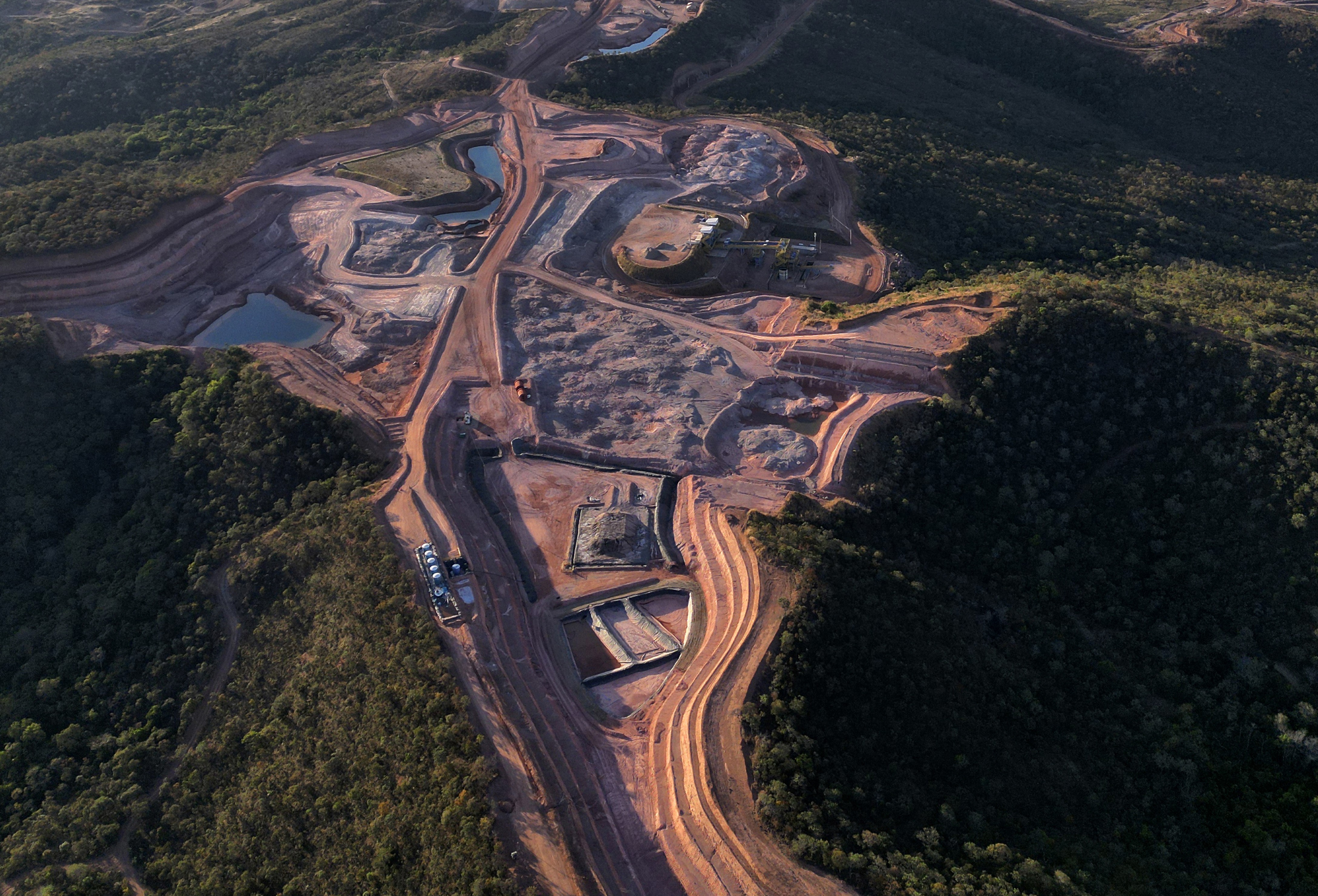
The federal government has drawn up a list of 27 minerals classified as “critical and strategic,” which will be divided into three priority tiers to determine access to government support programs and the scrutiny of changes in corporate ownership and sales contracts. The classification was presented Thursday (5) at the first meeting of the National Council for the Industrialization of Critical and Strategic Minerals (CIMCE), held at the Planalto Palace with President Luiz Inácio Lula da Silva in attendance.
According to Chief of Staff Miriam Belchior, the minerals were selected based on criteria established by the legislation creating Brazil’s National Policy on Critical and Strategic Minerals, which was signed into law in September.
Viridis advances funding plans with rare earths deal for EuropeCritical minerals draw R$39bn in investmentBahia discussed rare-earths partnership with U.S. company
The government used existing lists compiled by Brazilian agencies and institutions as a reference, including the ministries of Mines and Energy (MME) and Development, Industry, Trade, and Services (MDIC), as well as the Brazilian Development Bank (BNDES). It also took into account classifications adopted by other countries.
Minerals were classified as critical if they are essential to key sectors of the national economy and if insufficient, unstable, or vulnerable supplies could pose risks to production, employment, the energy transition, and national security and sovereignty. Strategic minerals, meanwhile, are those for which Brazil has significant reserves and that contribute to the economy, industrial and technological development, regional development, and emissions reductions.
Based on this selection, the government established five criteria to assign the minerals to one of three priority tiers: geopolitical risk, concentration of global supply, the possibility of substituting the mineral, Brazil’s position in the production chain, and the country’s degree of dependence and vulnerability.
The highest priority is assigned, for example, when geopolitical risk, global supply concentration, and dependence are high, while the potential for substitution and Brazil’s position in the production chain are low.
•The first tier, high priority, comprises nine minerals: rare earths, graphite, lithium, nickel, cobalt, copper, manganese, silicon, and uranium. These minerals will receive the highest priority for access to public support programs and will be subject to screening of changes in corporate control and sales contracts.
•The second tier, medium priority, includes eight minerals: tungsten, chromium, vanadium, tantalum, titanium, phosphate, potassium, and sulfur. These minerals will also be subject to both screening mechanisms, but will receive lower priority for access to public funding.
•The third tier, low priority, comprises ten minerals: niobium, tin, iron, zinc, gold, magnesium, molybdenum, thorium, aluminum, and platinum-group metals. In this case, only changes in corporate control will be screened, and these minerals will have lower priority for access to government support programs.
The main purpose of the first meeting was to approve the list and the proposed priority tier for each mineral, Belchior said. According to the minister, the classification is intended to guide government action given the limited resources available to back the development of critical and strategic mineral supply chains.
At the opening of the meeting, Belchior said Brazil was open to partnerships with other countries. “We welcome foreign investment. We need that investment and the technology available abroad, but with security, predictability, and a commitment to adding value to these minerals in Brazil,” she said. The minister also stressed that the list is preliminary and may be revised to include other substances.
This article was translated from Valor Econômico using an artificial intelligence tool under the supervision of the Valor International editorial team to ensure accuracy, clarity, and adherence to our editorial standards. Read our Editorial Principles.