
Brazilian biomethane certificate draws business interest - Valor International
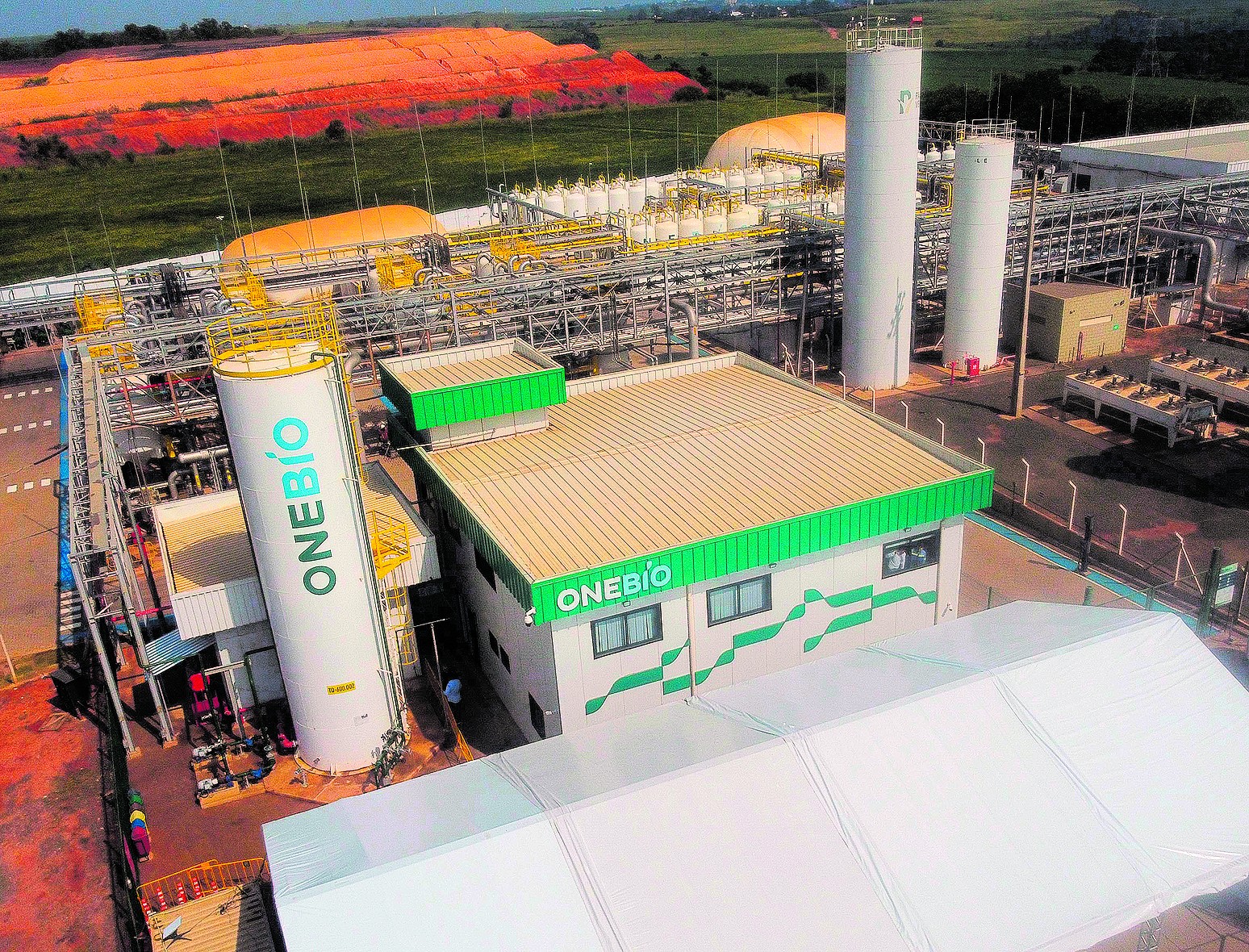
The approval of the first certifications for biomethane producers by the National Agency of Petroleum, Natural Gas and Biofuels (ANP) paves the way for a new market that could create an additional source of revenue for producers of the renewable fuel and encourage investment, industry members say.
The authorizations, announced by the ANP on Friday (6), allow three companies to issue Biomethane Guarantee of Origin Certificates (CGOBs). The instrument serves to verify the gas’s renewable origin and can be traded. The creation of CGOBs is part of the strategy outlined in the Future Fuels Law, enacted in 2024, and is included in the National Program for the Decarbonization of Natural Gas Producers and Importers and for Incentivizing Biomethane.
The program establishes mandatory emissions-reduction targets for natural gas producers and importers. Companies will be able to use the certificates to demonstrate compliance with these targets, which are set by the National Energy Policy Council (CNPE) and regulated by the ANP.
In practice, the regulations create two distinct assets. One is biomethane sold as fuel. The other is the environmental attribute associated with its renewable origin, represented by the certificate, which can be sold independently of the physical gas molecule. From the demand side, one company can purchase the gas for consumption, while another acquires the CGOB to demonstrate the use of an environmental attribute and meet decarbonization targets.
The first production facilities authorized to sell the certificates are Biometano Verde Paulínia S.A. (BVP), a venture by Edge, part of the Cosan group, in partnership with Orizon, in Paulínia, São Paulo state; Crigeo Biogás, a partnership between Crivellaro Ambiental and Geo Bio Gas&Carbon, in Elias Fausto, São Paulo state; and SPE Central de Tratamento Integrado Resíduo Zero Ltda., affiliated with Bioo Plataforma de Biossoluções, in Triunfo, Rio Grande do Sul state.
Eduardo Ken Mizuta, Geo Bio Gas&Carbon’s director of expansion and new business, says the certification lends credibility to an emerging market and improves the economic viability of projects. “The biomethane market is taking shape in Brazil for large-scale production, and in this process, the agency’s endorsement is essential to giving the sector credibility. There are still many questions about this new product, and we need to demonstrate and prove the value of this new form of bioenergy,” he says.
According to Mizuta, the additional revenue from the certificates could accelerate investment. “When we factor in the sale price of the molecule plus the certificate, we can get several projects off the ground. The CGOB is no longer just a potential idea; it is becoming a market reality,” he says.
Crigeo Biogás’s facility in Elias Fausto produces around 23,700 cubic meters of biomethane per day from industrial organic waste. The company plans to triple this capacity over the next five years. Mizuta says heavy-duty transportation and industrial segments with emissions-reduction targets, such as the oil industry, are expected to lead demand for the fuel.
In the view of Mario Silva, Orizon’s executive director of energy transition, the certification marks a structural shift for the sector. “The biomethane we produce from waste now generates two sources of value: the molecule, which replaces fossil fuels, and the environmental attribute, now backed by official certification, which can be issued, registered and traded with legal certainty and traceability.”
For Orizon, greater predictability in demand for the certificates is likely to strengthen the economic appeal of new projects. “Since the Future Fuels Law establishes guidelines and mandatory targets, the market will have predictable demand for the certificates over the coming years. This demand predictability translates into predictable revenue. Combined with the possibility of monetizing the environmental attribute together with the molecule or separately, this improves projects’ economic attractiveness and supports long-term structuring,” he says.
In a statement, Bioo, one of the certified companies, said it had already signed a CGOB purchase and sale agreement with a European group for the voluntary market. The company’s plant in Triunfo, Rio Grande do Sul state, has been operating at above 30,000 cubic meters per day, a volume equivalent to the issuance of more than 300 CGOBs daily. Each CGOB corresponds to 100 cubic meters.
Josiani Napolitano, chief executive of the Brazilian Biogas and Biomethane Association (Abiogás), said the first certifications represent “a concrete step toward putting Brazil’s biomethane certificate-of-origin market into operation.”
The certificate, she says, adds economic value to biomethane by expanding the pool of potential buyers and creating an additional revenue stream for producers. Despite the regulatory progress, the market still depends on the implementation of the digital platform that will enable certificates to be issued and on the definition of prices for these environmental assets. The government is expected to complete the platform’s implementation later this year.
This article was translated from Valor Econômico using an artificial intelligence tool under the supervision of the Valor International editorial team to ensure accuracy, clarity, and adherence to our editorial standards. Read our Editorial Principles.

