BRICS nations back AI in education, call for new global university ranking system
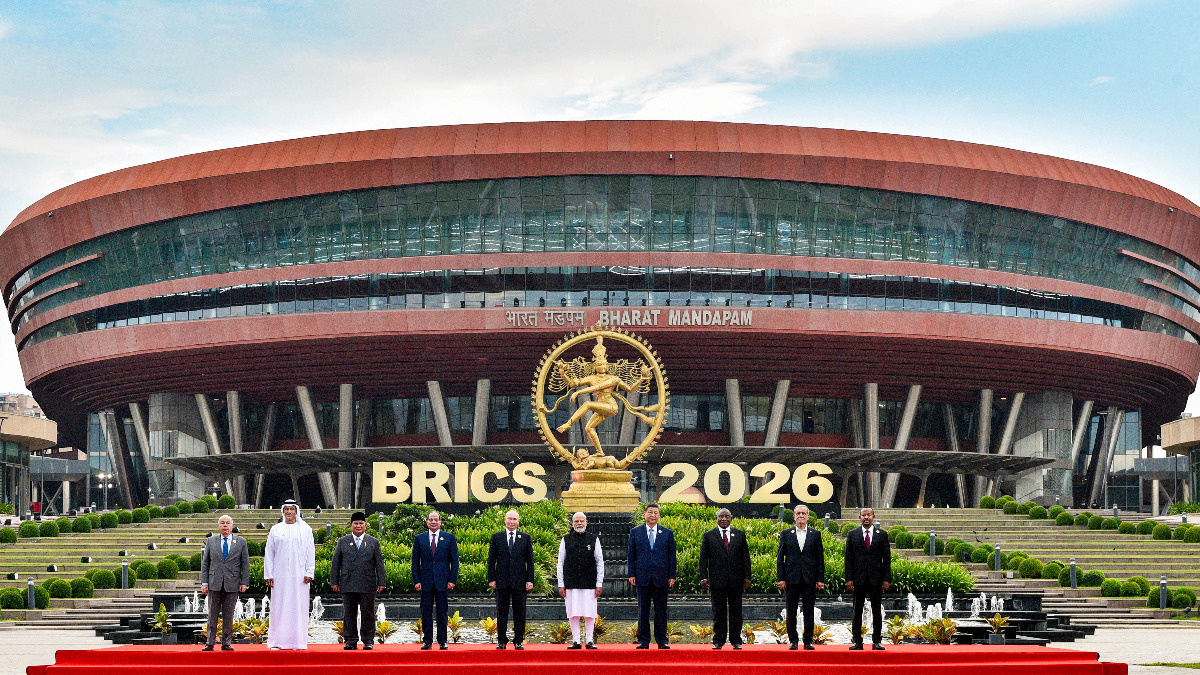
BRICS countries have backed the development of a new university ranking and evaluation system and called for greater cooperation on Artificial Intelligence (AI), research, skills and student mobility. The grouping also plans to create a common research repository and a platform to support youth-led startups, expanding cooperation across education, innovation and workforce development.
The declaration backed further exploration of the proposed BRICS University Global Ranking and Evaluation System, an initiative that has been under discussion since 2023. A specialised workshop on developing the ranking system is scheduled between September and December 2026.
The proposed system could provide a framework for evaluating universities across BRICS countries while taking into account the different characteristics of their higher education systems.
The leaders also supported continued cooperation through the BRICS Network University and the BRICS Rectors’ Forum, which brings together university and academic leaders to strengthen higher education and research collaboration.
The declaration called on BRICS countries to share best practices on the safe, ethical and human-centred use of emerging technologies, including AI, in education.
It also highlighted cooperation in Early Childhood Care and Education, Foundational Literacy and Numeracy, digital literacy, mutual recognition of qualifications, and academic and professional mobility. The countries backed stronger institutional partnerships and exchange and scholarship programmes for undergraduate and postgraduate students, including those in STEM fields.
India’s initiative on strengthening academic collaboration around traditional and indigenous knowledge systems was also welcomed. The BRICS Network University was encouraged to consider this as an additional International Thematic Group, subject to its governance framework and the laws and policies of member countries.
Beyond education, BRICS countries agreed to establish the BRICS Science and Research Repository (BSRR), which will map and share research outputs, datasets, infrastructure and expertise among member countries.
The grouping will also set up the BRICS Youth Startup Platform (BYSP) to facilitate collaboration and support for youth-led startups. The declaration also recognised the need to expand financing for startups at both early and growth stages through the BRICS Startup Innovation Fund.
A 2026–2030 action plan will further strengthen cooperation on large-scale research infrastructure and mega-science projects through the BRICS Global Research Advanced Infrastructure Network (BRICS GRAIN).FOCUS ON SKILLS AND JOBS
The leaders reaffirmed support for the BRICS Technical and Vocational Education and Training Cooperation Alliance and called for stronger skill-development systems, digital literacy and workforce preparedness.
They also pushed for closer links between TVET institutions and industries so that training programmes better reflect changing market demands and create more opportunities for employment, innovation and knowledge exchange. The education agenda will also include continued discussions on the BRICS Education Olympiad, which is currently at the conception stage, along with academic and scientific exchanges among member countries.
The latest measures point to a wider BRICS effort to build stronger links between universities, research institutions, industry and emerging technology, while making education and skills systems more responsive to future workforce needs.
/file/dailymaverick/wp-content/uploads/Opinionista-Fotoyi-AfroEducationTW.jpeg)