
Britain cannot afford to keep paying for Donald Trump’s war - The Independent
Want to bookmark your favourite articles and stories to read or reference later? Start your Independent Membership today.
The cost of living crisis – now a seemingly permanent state of affairs – is about to get much worse.
According to researchers at Cornwall Insight, a highly respected and reliable research group, the energy regulator will announce a sharp rise in the price cap next week. Household costs are set to jump by more than £400 a year, to a nominal £2,166 for an “average” home.
That represents an increase of no less than 26 per cent on current gas and electricity bills, and would probably be even higher if the authorities didn’t compel suppliers themselves to share some of the burden of spiralling world energy costs.
Even allowing for seasonal variation, and the possibility that peace in the Middle East will see prices fall through 2027, it comes as a shock. It will be unaffordable for many households already having to choose between eating and heating. Citizens Advice points to three million households in energy debt or arrears, and many resorting to “self-disconnection” or pre-payment meters.
It will mean that many more homes will be cold and mouldy this winter, with all that implies for physical and mental health.
The nation has not become completely inured to such financial pain, but it is worth adding some recent context. Four years ago, in the aftermath of the Russian invasion of Ukraine, consequent disruption to gas supplies and price spikes, the then prime minister, Liz Truss, announced an emergency “energy price guarantee” that placed a cap of roughly £2,500 a year for the average home – way below what the market would have charged, and not so different from the latest cap.
The eventual total cost of that comprehensive scheme – even the wealthiest, in the biggest mansions, benefited – and associated subsidies ran to some £52bn, according to the Office for Budget Responsibility. It’s as much as the total annual defence bill, and approaching that of the annual budget for schools.
The unavoidably immense cost to the taxpayer of such a blanket intervention, albeit loaded for the time being onto the national debt, is why this government cannot do much more to bring the cost of heat and lighting down any further.
So the government is left to pursue smaller, more targeted remedies, reminiscent of the Tesco advertising slogan “Every Little Helps”. Thus, VAT has been removed from electricity for a year; about 20 million households will receive a payment from the state of £100 towards their bills; standing charges on gas bills, which amount to £108 a year for the typical household, are to be abolished from next year; and green levies have already been transferred to the Exchequer.
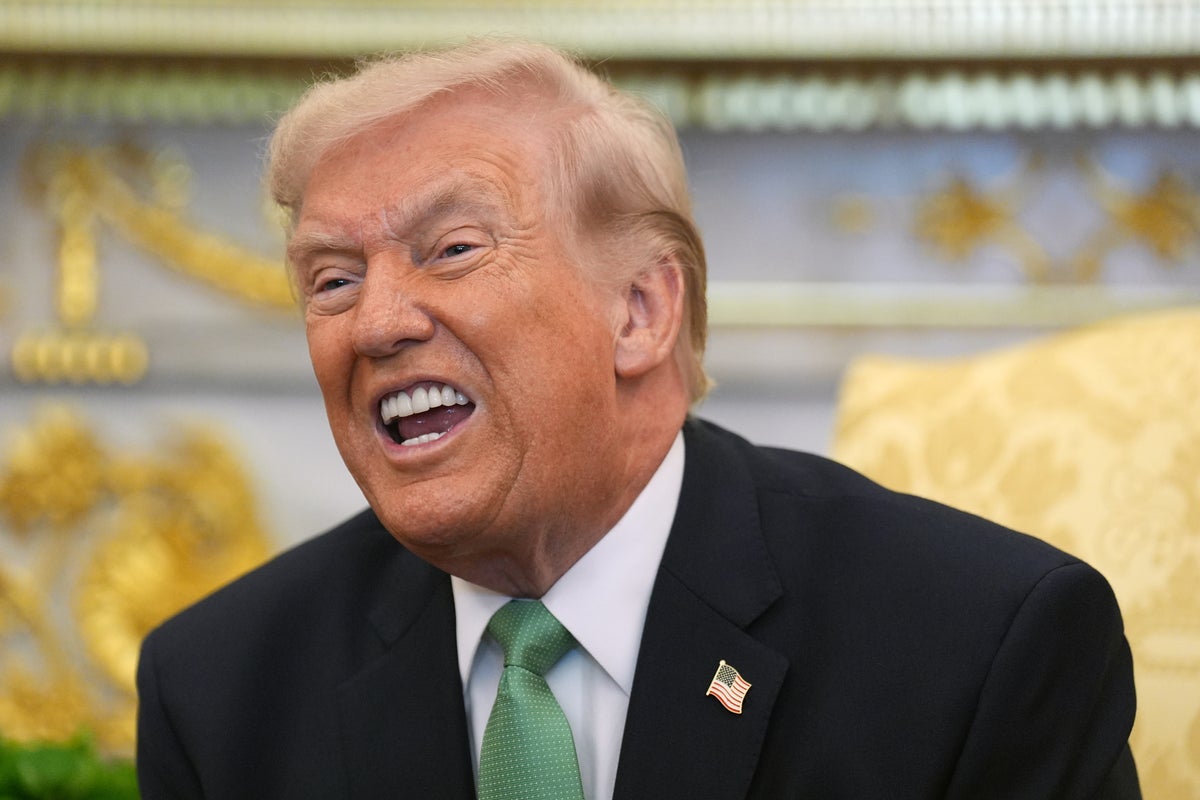
The good news, though highly contingent, is that if Donald Trump extricates himself from his own trap in Iran, and the fossil fuels start flowing again, then a glut of oil will follow and the costs of hydrocarbons will slump. That would indicate falling energy bills by this time next year, as well as inflation more broadly.
Then interest rates can resume the downward path they were on before President Trump was persuaded by his friend Benjamin Netanyahu that his most enduring and valuable legacy would be regime change in Tehran. Even better would be an end to the conflict in Ukraine and a change of leadership in the Kremlin, but that’s hoping for too much from Father Christmas.
For the longer term, the lessons for Britain of the successive energy shocks of this decade are perfectly clear. Expanding North Sea exploration will not prevent the UK from being a net energy importer, reliant on hostile states and unreliable allies for its economic wellbeing. Britain needs to continue to invest in renewables, in baseload nuclear energy, and press on with the transition to electric vehicles and home heating.
A world of sustainable cheap energy may sound hopelessly remote when the Direct Debits keep going up, but it is well within reach. Britain can’t keep on shivering its way through the dark nights because of the whims of tyrants and despots.
