British scientist among 69 killed in Spain train disaster was travelling to collect prestigious award - The Independent
Want to bookmark your favourite articles and stories to read or reference later? Start your Independent Membership today.
A British scientist was on her way to collect a prestigious award when she was killed in the Spanish rail disaster that claimed at least 69 lives this week.
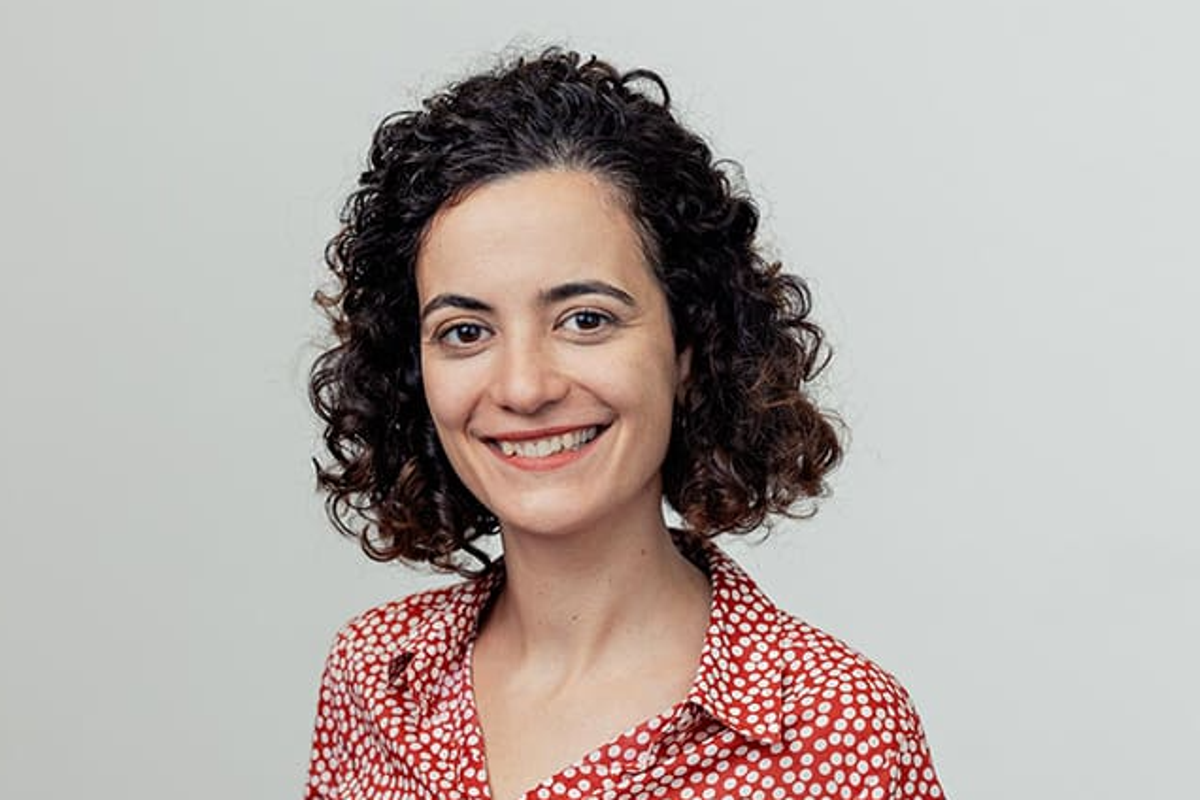
Dr Marta Shahbazi, a leading expert in cell biology and embryology, was on board one of the two high speed services that collided on Wednesday near the town of Urda, south of Madrid.
The 41-year-old researcher, who headed her own laboratory at the MRC Laboratory of Molecular Biology (LMB) on the Cambridge Biomedical Campus, had been travelling to south-west Spain to receive the award from the Spanish Society for Developmental Biology.
Paying tribute, the LMB said it was “deeply saddened by the tragic death of our colleague”.
“Marta was an inspiring, talented and passionate scientist,” the research institute said. “Her death is a profound shock and a huge loss. Our thoughts are with her family, friends and colleagues at this extremely difficult time.”
Dr Shahbazi’s employer had initially reported her whereabouts as unknown following the crash. Her death was confirmed late on Saturday by the Spanish research centre CiMUS.
In a statement, the centre paid tribute to the “brilliant young researcher” and expressed its “support and deepest sympathies” to her family following the tragedy.
Dr Shahbazi, who also served as an affiliate associate professor at Cambridge’s Stem Cell Institute, completed her doctorate at the Spanish National Cancer Research Centre before moving to Cambridge as a postdoctoral fellow and taking up her LMB group leadership in 2020.
Her work focused on early human development, earning her international acclaim in the field of mammalian embryogenesis.
The disaster unfolded when a state-operated Renfe AVE high-speed train slammed into the rear of another train in Toledo on Wednesday.
More than 540 passengers were travelling across the two services. Regional officials in Castilla-La Mancha confirmed that the stationary Iryo train was carrying 146 passengers and an infant, while 397 people were aboard the moving Renfe train.
More than 100 were injured, with dozens hospitalised in serious condition. The impact derailed multiple carriages, sending several tumbling down an embankment.
The collision marks Spain's deadliest railway accident since the Santiago de Compostela derailment in 2013, and one of the worst rail tragedies in Europe's modern history.
Spanish authorities declared three days of national mourning as forensic specialists worked to complete autopsies and formally identify victims.
At present, high-speed rail links between Madrid and Andalusia remain suspended while transport authorities investigate why the Renfe service was authorised to proceed along the track before the impact.