Campaign to expose convicted sex offenders turns spotlight on access to national register - IOL
A 30-day campaign to publicly identify convicted sex offenders has renewed pressure on government to give ordinary South Africans greater access to the National Register for Sex Offenders (NRSO).
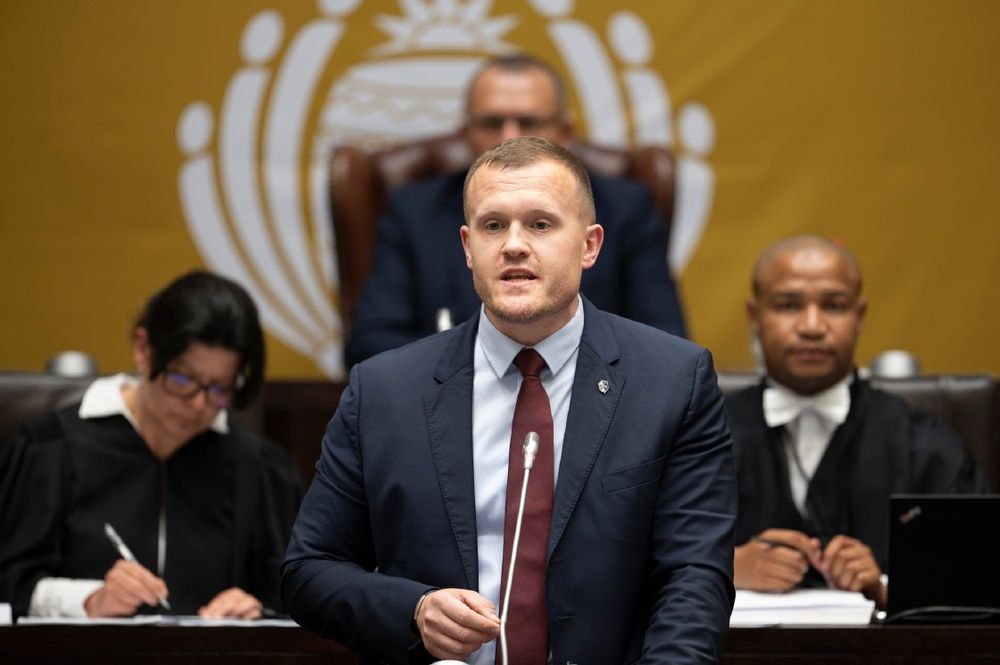
Ian Cameron, chairperson of Parliament’s Portfolio Committee on Police, says he will publish the photograph, name, verified conviction and sentence of at least one adult convicted sex offender each day for 30 days.
Cameron said the information would come from legitimate public court records, not the confidential NRSO.
“For too long South Africans have learnt the names of women and children after it was too late to protect them,” he said.
“It is time we also know the names of the people our courts have convicted of committing these crimes.”
The NRSO contains information about people convicted of certain sexual offences. Its purpose is to help prevent offenders from being placed in positions where they may have access to children and other vulnerable people.
The register is not open to ordinary members of the public. Schools, crèches, hospitals, employers and other organisations working with vulnerable people can apply to check whether someone is listed, but parents and members of the public cannot simply search the database themselves.
The Justice Department has said the law keeps information in the register confidential. It would therefore have to be amended before wider public access could be introduced.
Justice and Constitutional Development Minister Mmamoloko Kubayi has instructed officials to work on possible amendments. On 29 September, the department confirmed that this work was continuing.
Government must still decide what public access would look like, including who could search the register, what information would be available and how victims’ identities, addresses and other sensitive details would be protected.
Mongezi Jinxela raped 57 women. He was convicted on 220 charges after a prolonged series of rapes, kidnappings, robberies and assaults. He received 55 life sentences for rape, together with further imprisonment.
Cameron said access should not include offenders’ home addresses, identity numbers or information that could identify victims. Instead, parents, caregivers and organisations should receive enough verified information to make informed decisions about people placed in positions of trust.
“Parents, women, caregivers and organisations make decisions every day about whom they allow into positions of trust,” he said.
“They should not have to make those decisions blindly.”
Dr Shaheda Omar of the Teddy Bear Clinic supports greater but carefully controlled access. She warned, however, that protecting the public must be distinguished from publicly punishing offenders.
“The purpose of a sex-offender register must be to prevent further harm, not to create a digital form of vigilantism,” Omar said.
Nkosinathi Emmanuel Phakathi was convicted on 148 charges, including 90 charges of rape.
She said parents had a legitimate reason to know whether someone trusted with their child had previously been convicted of a sexual offence.
However, the register could never guarantee a child’s safety. It contains only people whose cases resulted in convictions and cannot include offenders whose abuse was never reported, investigated or successfully prosecuted.
“The message must never become: ‘Check the register and your child is safe,’” Omar said.
Parents should also vet, supervise and educate children, listen to them and maintain wider safeguarding systems.
Omar said information published during the campaign should be independently checked against reliable court records. She also warned against harassment or threats and stressed the importance of distinguishing between an accused person and someone convicted in court.
“The victim must never become collateral damage in our determination to expose the offender,” she said.
Ilitha Labantu spokesperson Siya Monakali also welcomed wider access, saying the debate had exposed weaknesses in the current system.
He said the register’s effectiveness was undermined when government departments failed to use it properly or when vetting remained incomplete.
“Parents should not have to rely on rumours or social media to establish whether a known risk existed,” Monakali said.
But he agreed that any wider access would need to be controlled. Information would have to be accurate and updated, with a process to correct mistakes or remove details if a conviction were overturned or a person’s legal status changed.
Victims would also have to remain protected.
Mortimer Saunders was convicted for the rape and murder of three-year-old Courtney Pieters and received two life sentences.
“Making verified information accessible can contribute to awareness and prevention, but it must never be used to justify threats, harassment, intimidation or violence,” he said.
Cameron, Omar and Monakali agreed that opening the NRSO would not fix the wider criminal justice system.
“A database cannot investigate rape, process DNA, find a missing docket or prosecute an offender,” Cameron said.
Omar said the register had to work alongside effective police investigations, forensic services, trained child-protection professionals, proper vetting and stronger safeguarding measures.
Ultimately, she said, reform should be judged by whether fewer children were harmed.
“Child protection is not about revenge against perpetrators. It is about creating an environment in which children are safer.”