
Cape Town taxi violence: City debunks fake N2 blockade reports - IOL
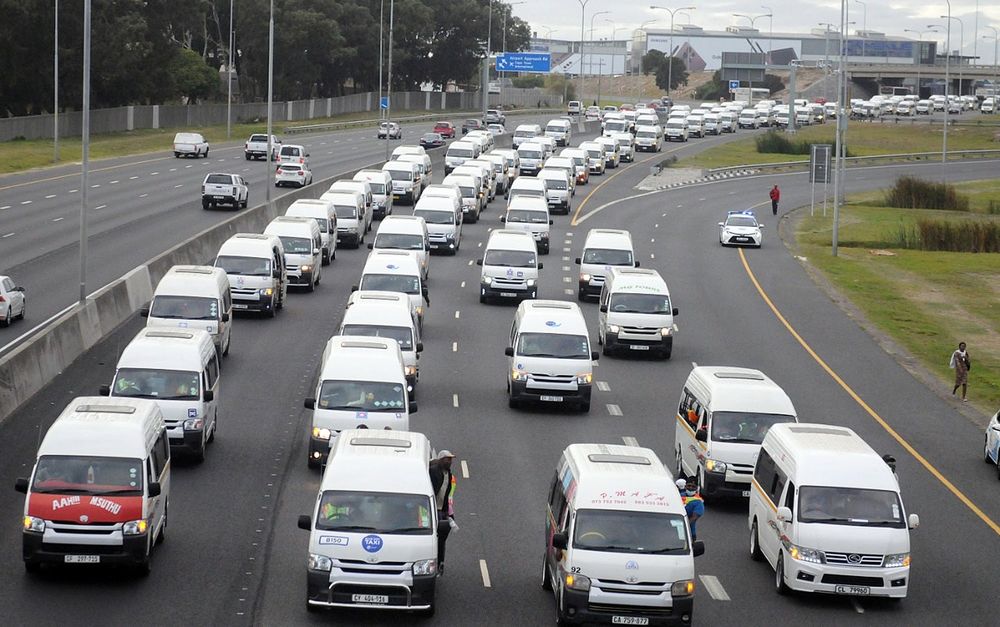
Social media reports of taxis blockading the N2 highway is fake news.
Image: Ayanda Ndamane / ANA Studio.
The City of Cape Town has dismissed social media reports claiming that taxi drivers have blockaded the N2 highway amid ongoing taxi violence in the city.
Mayoral committee member for safety and security Alderman JP Smith said the highway remained open, with taxis travelling in a convoy out of the central business district (CBD) and surrounding areas.
Traffic enforcement officers were managing the convoy and keeping taxis in the left lane to minimise disruption to other road users.
“There is no blockade of the N2 by taxi drivers. Taxis are heading out of the CBD and surrounds in convoy. Traffic enforcement is containing them to the left lane. This is not a protest action and the road is open,” Smith said.
He added that Traffic Services officers were monitoring the situation and would work to keep traffic moving.
“Traffic Services are on scene, monitoring the situation and will ensure the N2 is free-flowing,” he said.
The clarification comes as misinformation circulates on social media about the ongoing taxi violence in Cape Town, which has also raised concerns about the impact on learners and school transport.
The Western Cape Education Department has outlined contingency plans for learners affected by the unrest.
On Thursday morning, the R300 was temporarily closed after a shooting incident believed to be related to the current taxi violence.
On Wednesday, Mayoral Committee Member for Urban Mobility, Rob Quintas, announced the temporary closure of the Delft Public Transport Interchange amid the taxi violence.
This comes after shooting incidents erupted across the metro linked to taxi violence.
“I condemn in the strongest possible terms the violence that has once again erupted between minibus taxi associations this morning. We have closed the Delft PTI due to the outbreak of violence, which is rooted in various long-standing taxi route disputes in the area,” he said.
The shooting incidents have also spilled over to Mfuleni and Gugulethu.
According to Quintas, the violence stems from longstanding disputes between CATA and CODETA over minibus taxi routes and operating rights, particularly in Delft, Khayelitsha and Somerset West. He said years of mediation, negotiations and even High Court intervention have failed to bring about a lasting resolution.
“The latest tensions centre on contested routes between Delft, Epping and Killarney, with the very real danger that violence could spread to other major commuter corridors. Thousands of passengers depend on these services every day, and the consequences of further escalation would be devastating. These disputes must be resolved through lawful processes and meaningful engagement, not intimidation, shootings, and bloodshed,” Quintas said.
IOL reached out to the South African Taxi Council (Santaco) in the Western Cape; however, the organisation said it will not be commenting at this time.

