Chilling report reveals FAA failed to fix flight paths after deadly 2025 Potomac midair collision
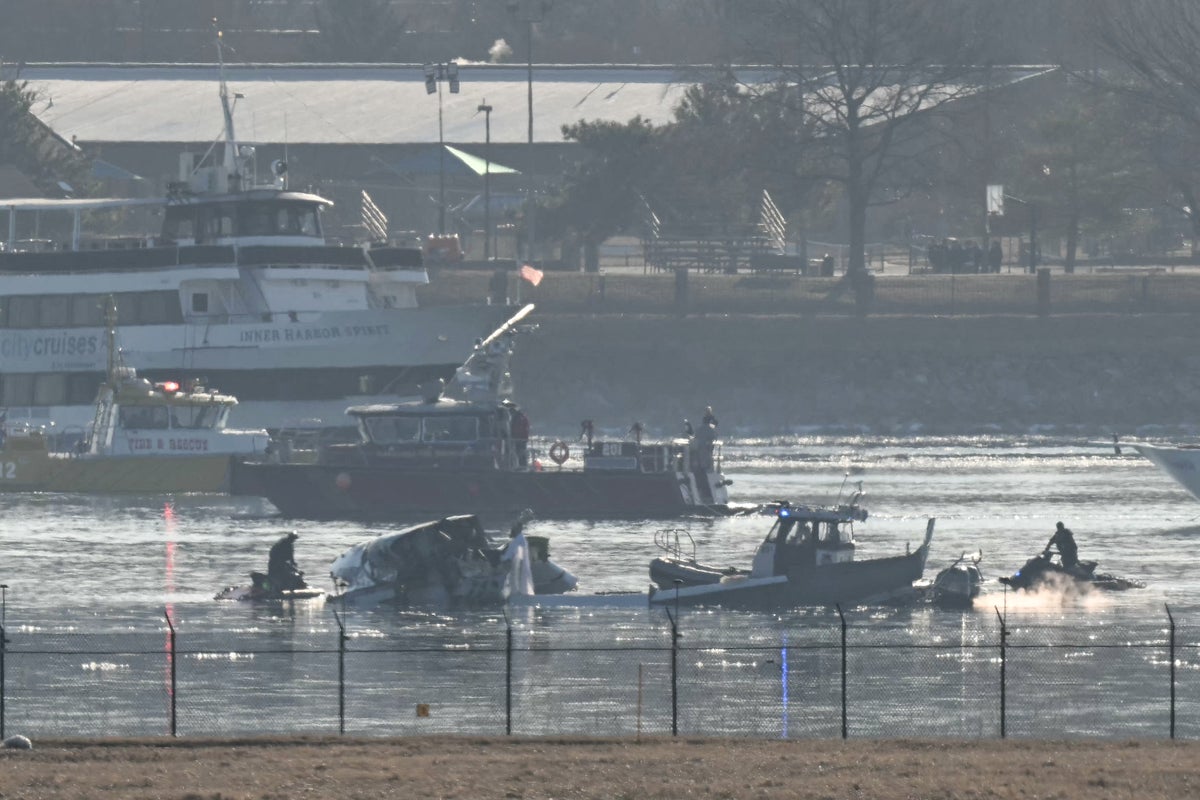
The Federal Aviation Administration has provided "unacceptable" responses to 11 out of 33 safety recommendations issued after a 2025 mid-air collision near Washington killed 67 people, according to the U.S. National Transportation Safety Board.
The disaster, which occurred in January 2025 when an American Airlines regional jet collided with an Army Black Hawk helicopter close to Ronald Reagan Washington National Airport, represents the deadliest U.S. aviation accident in more than two decades.
According to the NTSB, the aviation regulator failed to commit to requiring a critical safety technology known as ADS-B In, which formed a core part of the safety board's suggestions.
NTSB Chair Jennifer Homendy said installing this system would have warned the passenger jet pilot 59 seconds before the crash and alerted the helicopter crew 48 seconds before impact.
"How many more decades have to go by before we again and again and again have to recommend it after terrible tragedy?" Homendy told Reuters.
Homendy, along with family members of individuals who died in the fatal crash, plans to urge Congress on Tuesday to implement legislation targeting the root causes of the tragic accident.
In July, FAA Administrator Bryan Bedford told Reuters that while the agency possesses the authority to implement ADS-B regulations independently of Congress, it would prefer explicit direction from lawmakers.
According to a letter obtained by Reuters outlining its responses to the safety board on Tuesday, the FAA stated that it has completed helicopter flight route assessments in four cities, is currently conducting reviews in six other major metropolitan areas, and has issued official instructions requiring physical separation between airplanes and helicopters.
The NTSB noted on Monday that the regulatory body gave no indication of drafting future rules to mandate the use of ADS-B In technology.
The safety agency regularly tracks progress on its recommendations to compel regulators to adjust safety protocols. A response is unacceptable if the regulatory body rejects the advice, proposes a solution the board considers insufficient, or fails to act promptly.
An NTSB investigation concluded in January that systemic FAA shortcomings caused the 2025 incident, the nation's worst aviation disaster since 2001. Investigators determined the crash resulted from regulatory decisions that allowed helicopters to operate near the airport without adequate separation safeguards, along with a persistent failure to analyze data and relocate helicopter routes away from commercial airspace.
Congressional efforts to address safety concerns have met mixed outcomes. The House of Representatives voted 396-10 in April to approve a comprehensive aviation safety reform package addressing dozens of NTSB recommendations. Conversely, the Senate unanimously approved a separate proposal, the ROTOR Act, in December, but the measure failed by a single vote to secure the required two-thirds supermajority under expedited House rules.