China privately urges Iran to rein in Houthis after Saudi Arabia's request
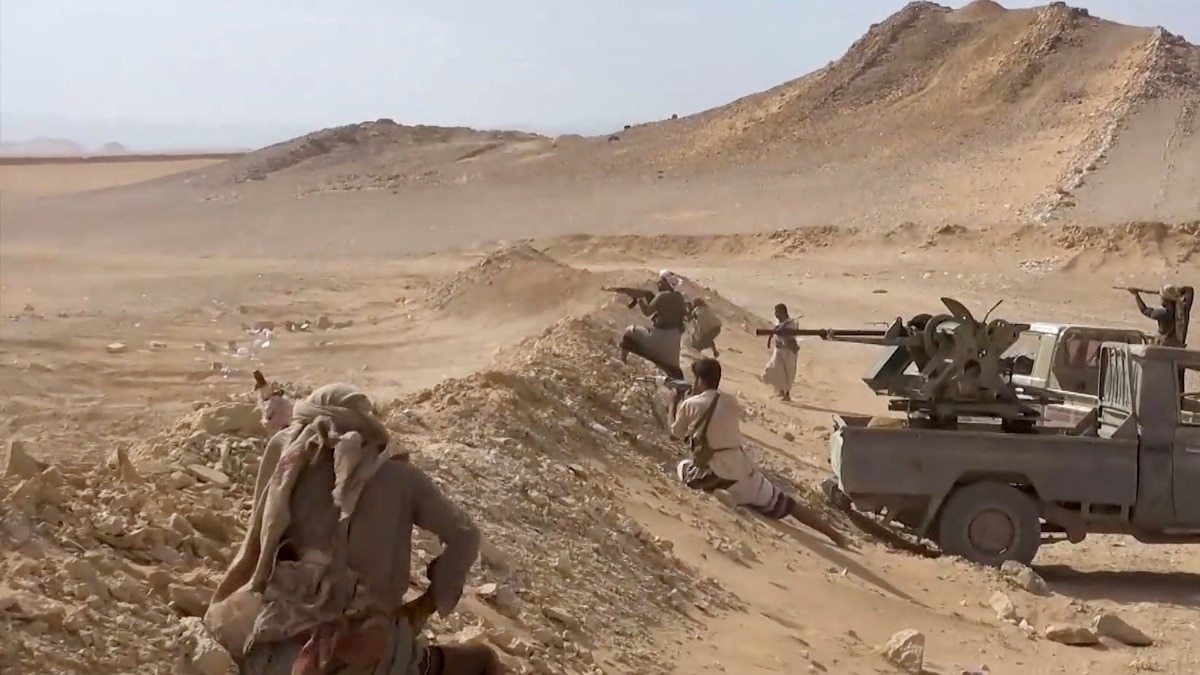
Saudi Arabia has turned to Beijing for help as Yemen's Houthis intensify attacks inside the kingdom and rapidly expand their military reach along the Red Sea, pushing China to privately urge Iran to use its influence to rein in the Iran-backed group, according to the Iranian sources cited by Reuters.
The appeal comes as the US has so far stopped short of direct military intervention in Yemen after holding talks with Houthi representatives in Oman. Saudi Arabia's Mecca Defence Pact ally Pakistan has also reportedly refused direct military intervention.
Beijing has called for restraint, dialogue and the restoration of safe navigation. Privately, however, China urged Tehran to use its influence over the Houthis to prevent the conflict from spreading across critical energy and shipping routes. The sources said the message was not accompanied by an explicit threat of economic retaliation against Iran.
It remains unclear how the message was delivered or whether it was discussed during Iranian Foreign Minister Abbas Araqchi's visit to China on Wednesday.
Tehran's response, according to the sources, was that lasting regional stability depended on ending US-Israeli war on Iran.
China's foreign ministry told Reuters: "China does not wish to see regional tensions further spill over into Yemen and the Red Sea. Escalating regional instability is not in the interests of any party".
"The sovereignty and security of all countries should be respected, and facilities vital to people's livelihoods must not be targeted. China calls for an end to actions that further complicate the situation and urges resolving issues through dialogue and negotiation," it said.
China has been Iran's largest trading partner for more than a decade and remains its main oil buyer. Chinese purchases accounted for more than 80 per cent of Iran's seaborne oil exports in 2025, averaging about 1.4 million barrels per day, according to Kpler.
A senior Western diplomat told Reuters that "Beijing is one of the few capitals that can still press Iran to rein in the Houthis."
The stakes are high. Iran has already disrupted traffic through the Strait of Hormuz, while Houthi control or attacks around the Bab el-Mandeb could threaten the other major maritime route for Middle Eastern energy exports.
Alex Vatanka, director of the Iran Program at the Middle East Institute in Washington, said China’s interests in the region extended beyond its relationship with Tehran.
"Iran can disrupt Hormuz. But at some point that leverage begins hurting the very power Tehran increasingly depends on," Vatanka said.
China also has a diplomatic track record with both countries. In 2023, Beijing brokered an agreement that restored diplomatic ties between Iran and Saudi Arabia after years of hostility.US HOLDS BACK AS HOUTHIS ADVANCE
The push comes as Washington remains reluctant to intervene directly on Saudi Arabia's behalf.
US officials held talks with Houthi representatives at the US Embassy in Muscat over the weekend, with Oman also reported to have helped facilitate the meeting. The Houthis reportedly assured US officials that the 2025 ceasefire with Washington remained in place and that they would not target American shipping in the Red Sea.
The talks help explain why Washington has so far avoided opening another military front in Yemen while it remains engaged in the wider conflict with Iran. US Vice-President JD Vance confirmed that Washington was in direct contact with the Houthis but did not disclose details.
The Houthis, meanwhile, have continued their advance along Yemen's Red Sea coast. They have seized key territory, including the port of Mocha, and reached areas near the Bab el-Mandeb, raising concerns over global shipping and energy supplies.- EndsWith inputs from agenciesPublished By: Satyam SinghPublished On: Sep 17, 2026 20:14 IST