China warns against new U.S. export controls on computer chips
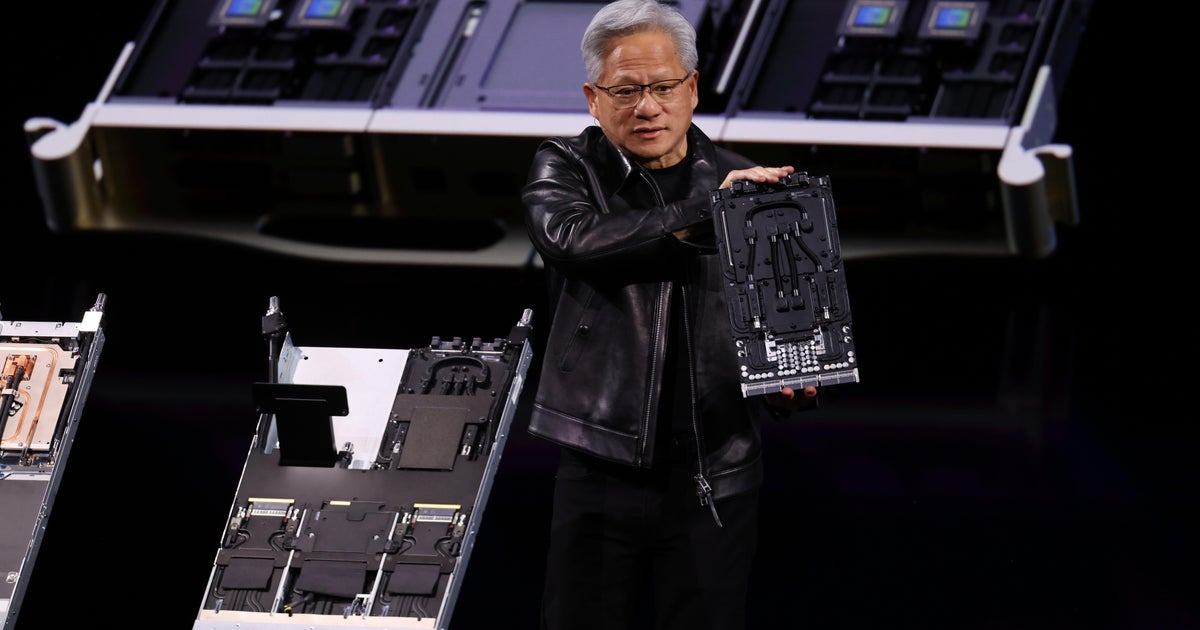
China warned the United States on Friday against imposing additional controls on exports of semiconductors in the wake of the scandal surrounding AI chip giant Nvidia and its now-former CEO Jensen Huang.
China "has consistently opposed the abuse of export control measures, which disrupts the stability of global industrial and supply chains and serves no party's interests," foreign ministry spokesperson Mao Ning told a regular press briefing when asked about calls from U.S. lawmakers to impose more limits on exports of chip equipment to China.
"China and the United States should work together to implement the important consensus reached by their respective heads of state and maintain the stable development of China-U.S. economic and trade relations," Mao said.
Jensen Huang — who resigned Thursday — has admitted to an affair, reportedly with Alice Huang, a former senior executive at Singapore-based data center company Megaspeed. They're not related.
Commerce Secretary Howard Lutnick is under fire from critics asking whether his ties to Chinese companies and friendship with Jensen Huang contributed to a lack of oversight by the federal agency over billions in Nvidia AI chip sales, CBS News has learned. The Commerce Department did not respond to a request for comment.
Last month, the New York Times reported that about a year ago, President Trump was briefed on intelligence that suggested that Alice Huang was a Chinese asset and that she had grown close to Jensen Huang and the president decided not to do anything with the information.
House Speaker Mike Johnson said there's a growing consensus in Congress on further tightening controls on chip exports to China.
According to the Times, U.S. officials circulated a memo last spring citing intelligence alleging that Alice Huang was a spy for China's Ministry of State Security, its main intelligence service.
Beijing has rejected the allegations and said on Thursday that they are a "pretext for imposing a technological blockade" to stop China advancing in artificial intelligence technology.