
Chinese pace forces automakers to spend more, Nissan says - Valor International
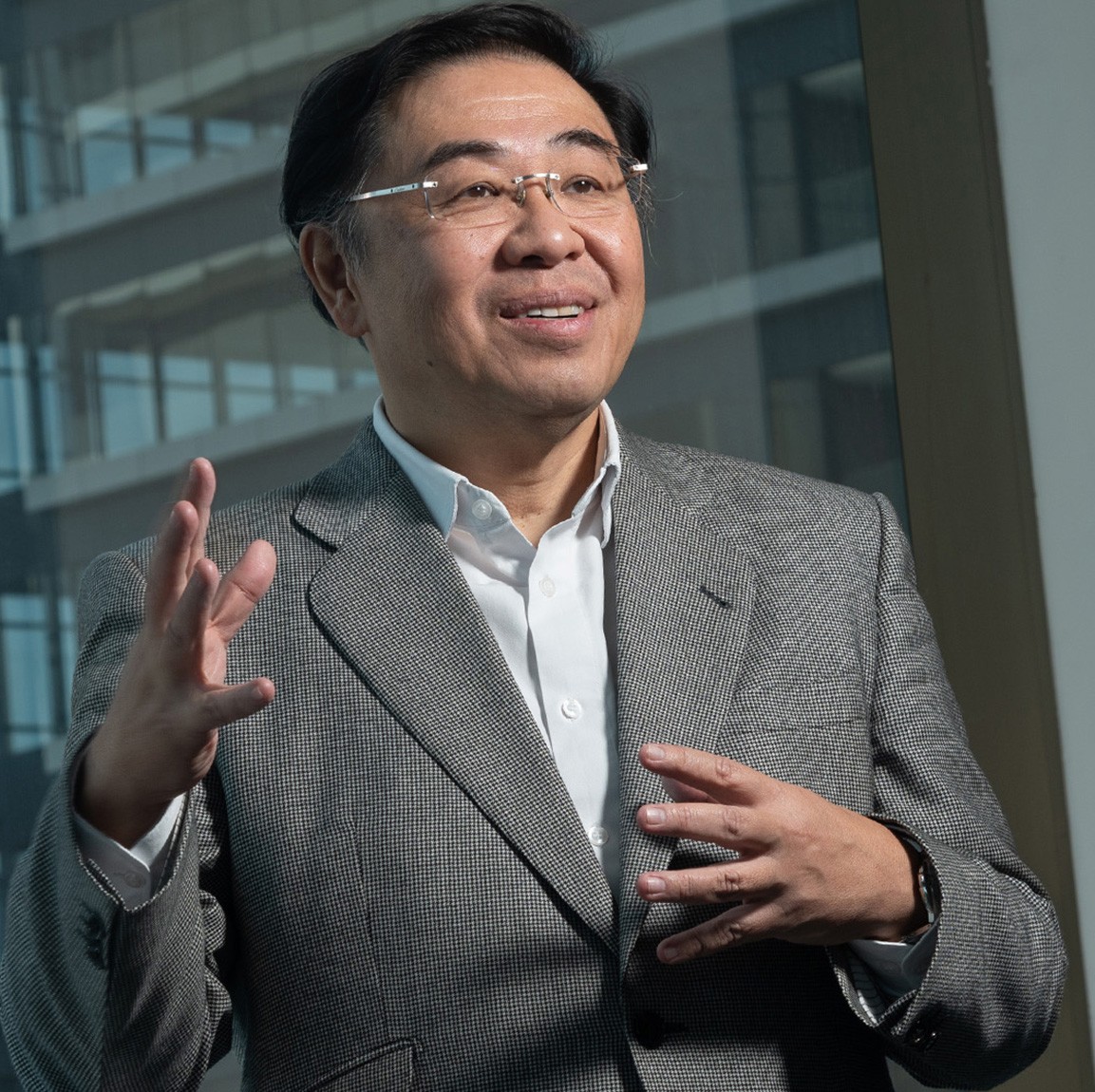
The arrival of Chinese brands has forced the automotive industry to move at a new pace, particularly in product development and renewal. To keep up, traditional automakers “have to spend a lot more money,” says Ricardo Gondo, the new president of Nissan Brazil. “Because they aren’t starting from scratch. They already have their factories and costs and need to adapt to the transformation,” he says.
Gondo recalls that, before Chinese automakers arrived, the industry planned for a new car model to remain on the market for seven years, followed by another three years before a “facelift.” That is not the only thing that has changed. Developing a vehicle program, which used to take three or four years, must now be completed in less than 24 months.
Gondo is a familiar figure in the automotive industry. A mechanical engineer by training, the Brazilian executive brings nearly 30 years of experience at Renault Brazil, where he served as president until the middle of last year.
When he left Renault, it seemed that retirement was the only thing he had in mind. But, as he puts it, his passion for cars prevailed, and he could not resist returning to work. Two months ago, he took over Nissan’s Brazilian operations.
The ease with which Gondo conducted his first interview in his new role on Friday (16), coupled with his command of the subject, leaves little doubt about his experience and skill in running an automotive company. But beyond his industry experience, other factors also help the engineer feel confident in the face of his new challenges.
First, he knows Nissan very well. Renault and Nissan formed an alliance in 1999, three years after Gondo began working for the French company. When he became president of Renault Brazil in January 2019, the partnership was going through a critical period. Just two months earlier, Carlos Ghosn, the Brazilian executive who headed both automakers globally, had fled Japan, where he had been detained on suspicion of misappropriating funds from the Japanese company.
His experience with the Renault-Nissan alliance, which began to unravel soon after Ghosn’s arrest, could make Gondo another executive well positioned to establish partnerships with Chinese automakers, as others in the industry have been doing.
However, although Nissan executives have already confirmed that the Japanese automaker is in talks with China’s Dongfeng, its partner in China, over a possible agreement to share Nissan’s factory in Resende, in Rio de Janeiro state, Gondo deflected questions on the subject.
According to him, everything is under discussion. Options range from partnerships with Chinese companies and production through CKD (completely knocked down) or SKD (semi-knocked down) kits to the development of Nissan’s own electrified vehicles. “We have been conducting a lot of studies,” he says. He acknowledges, however, that the entire industry needs to accelerate its electrification projects. “The market is moving in that direction, and it is moving fast. We have to decide quickly.”
He says everything will depend on the next government’s industrial policy. Gondo hopes, however, that the rules will favor manufacturers that use the largest share of locally produced components. In his view, selling vehicles with a high proportion of imported content harms the domestic supply chain, including producers of rubber, tires and steel, which generate jobs and investment. “We need programs that encourage cars manufactured in Brazil.”
Nissan, which accounted for 3.21% of vehicle sales in Brazil through September, has opted for a lean lineup of models manufactured in South America. Its decision to focus on two models—the Kicks and the Kait, both assembled in Resende—has paid off, with the automaker posting results above the industry average.
From January through September, local production increased 29.5%, while the automotive industry as a whole grew 11.4% over the same period. One of the main drivers of the production increase was rising sales of Brazilian-made vehicles in neighboring markets. Through September, Nissan’s sales in foreign markets grew 145%.
As a result, Nissan’s Brazilian operations, which previously had a limited presence in overseas markets, now export 22% of the vehicles produced at its factory in the southern part of Rio de Janeiro state, which was built 14 years ago.
Next year, the company will begin expanding into the electrified vehicle market. Gondo confirmed that Nissan will make its debut in the segment with the X-Trail hybrid SUV, which will be imported from Japan.
With this vehicle, Nissan will also introduce its e-Power technology in Brazil, a system in which the car is always driven by an electric motor. The combustion engine serves as a power generator. Gondo confirmed plans to develop flex-fuel technology, which allows vehicles to run on ethanol, for models equipped with this system.
This article was translated from Valor Econômico using an artificial intelligence tool under the supervision of the Valor International editorial team to ensure accuracy, clarity, and adherence to our editorial standards. Read our Editorial Principles.
