“Choi Tae-won’s SK shares are also subject to property division… pay 944 billion won to Noh So-young” What is the basis for the ruling? [News Analysis] - 경향신문
![“Choi Tae-won’s SK shares are also subject to property division… pay 944 billion won to Noh So-young” What is the basis for the ruling? [News Analysis] - 경향신문](https://img.khan.co.kr/news/2026/07/24/rcv.YNA.20260724.PYH2026072410120001300_P1.jpg)
This article was translated by an AI tool. Feedback Here.
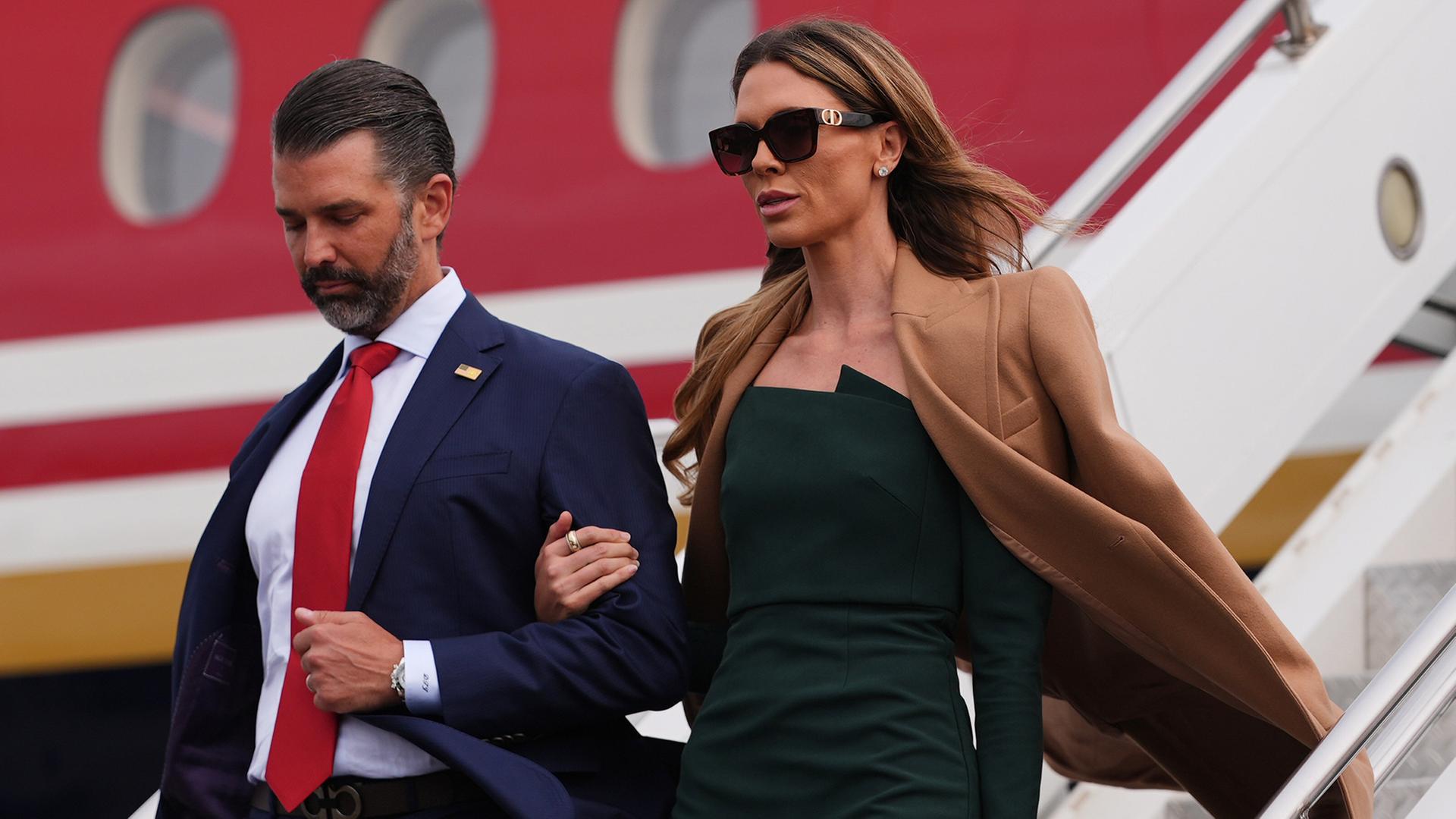
At the Seoul High Court in Seocho-gu, Seoul, on the 24th, in the trial on remand of the property-division lawsuit between SK Group Chairman Choi Tae-won and Noh So-young, director of Art Center Nabi, the court ruled that Chairman Choi must pay 944 billion won to Director Noh as a property-division payment. The photo shows Chairman Choi and Director Noh appearing for the second mediation session on the 15th of last month. Yonhap News
With a trial-on-remand ruling that SK Group Chairman Choi Tae-won must pay 944 billion won to Noh So-young, director of Art Center Nabi, as a property-division payment, the legal battle that has lasted about 10 years is coming to an end. The court viewed SK shares as joint marital property formed and maintained during the marriage and included them among the assets subject to division. However, as the Supreme Court previously pointed out, it did not assess Noh’s contribution regarding the ‘30 billion won slush fund’ that her father, former President Roh Tae-woo, provided to SK.
The Family Division 1 of the Seoul High Court (Presiding Judge Lee Sang-joo) delivered the judgment on remand in the couple’s property-division case on the 24th and so stated. Chairman Choi and Director Noh did not appear.
If they contest the ruling, they may file another appeal to the Supreme Court; however, because the Supreme Court is a court of law that does not review factual findings, the ruling is likely to be finalized absent a legal error.
The biggest issue in this lawsuit was whether the SK shares held by Chairman Choi are subject to division and, if so, how to calculate the division ratio. The first- and second-instance courts split over whether to treat Chairman Choi’s shares as ‘separate property’. ‘Separate property’ refers to assets one spouse owned before marriage and is not subject to division.
The trial court found they were separate property and, excluding the SK shares, divided only the remaining assets, ordering the at-fault spouse, Chairman Choi, to pay 66.5 billion won to Director Noh. The appellate court, however, differed. Noting that there had been 30 billion won provided by former President Roh to support SK’s growth, it held that Chairman Choi’s SK shares should also be divided.
Last October, however, the Supreme Court held that the slush funds were illegal and, even if that money flowed into SK, it could not be credited as Noh’s contribution, and it remanded the case. At that time, the appellate court’s assessment of 2 billion won in consolation damages was affirmed, so only the division of property was litigated on remand.
At the remand hearing, the court included the shares among the assets subject to division, stating, “The shares shall remain with Choi Tae-won, and any shortfall in Noh So-young’s portion shall be paid in cash.” The court explained, “The shares in question were acquired in Choi Tae-won’s name during the marriage, and both sides are recognized as having contributed to their formation and to maintaining and increasing their value,” adding, “During the marriage, the value of the shares increased significantly due to Choi Tae-won’s management activities, and Noh So-young’s housework, childrearing, and external activities related to SK Group also contributed.” This aligns with the thrust of the previous appellate ruling.
However, in line with the Supreme Court’s remand directive, the court did not take the ‘Roh Tae-woo slush fund’ of 30 billion won into account when calculating the division ratio. It also excluded from the divisible estate the shares that Chairman Choi donated as part of his management activities before the date on which the marital relationship broke down.
Jensen Huang, CEO of Nvidia, and SK Chairman Choi Tae-won hand out snacks and chicken during a chicken-and-beer meeting at the Kkanbu Chicken Samsung branch in Gangnam-gu, Seoul, on the 7th of last month. Yonhap News
On the contentious issue of the valuation date for property division, the court on remand decided it should be April 16, 2024, the date on which arguments concluded in the earlier appellate proceedings. At the last fact-finding instance before remand, SK’s share price was about 160,000 won, while as of the 26th of last month, the date arguments closed in the remand proceedings, it was about 800,000 won, a large difference in value.
The court stated, “Even when a claim for property division is brought after a divorce is finalized, the assets subject to division and their amounts should be determined based on the close of arguments in the fact-finding instance of the divorce case, according to Supreme Court precedent.” Although the share price rose sharply between the two dates, it said it did not reflect that increase in full in the asset valuation, citing Choi’s managerial contribution to the rise and the high volatility of share prices.
At the same time, the court said the sharp run-up in the share price itself “was considered in setting the division ratio to ensure an equitable distribution of the couple’s joint property.” This is interpreted as a determination that weighs both the stability of the valuation date and substantive fairness. Accordingly, it adjusted the division ratio to two-thirds for Chairman Choi and one-third for Director Noh.
As for ordering payment of the property-division amount in cash, the court said it had considered “the parties’ preferences regarding the method of division; the fact that Choi Tae-won’s shareholdings underpin management and control rights over the company; and the title, form, acquisition history, and use of the assets to be divided.”
Thus, the “divorce of the century,” with astronomical sums at stake, appears likely to be wrapped up soon. The two married in September 1988 and had three children, but in 2015 Chairman Choi told the media, “We have lived with a deep rift for more than 10 years,” and revealed the existence of a child born out of wedlock, leading to a breakup. He applied for divorce mediation in July 2017, but when it failed, he filed a formal suit in February 2018, and Director Noh filed a countersuit in December 2019, stating she would agree to a divorce.
After the ruling, Chairman Choi’s side said, “We will present a specific position after closely reviewing the judgment,” adding, “We are sorry for causing concern to many people.” Director Noh’s side did not issue a separate statement.