City Power cuts off eight Joburg buildings over R15 m debt - IOL
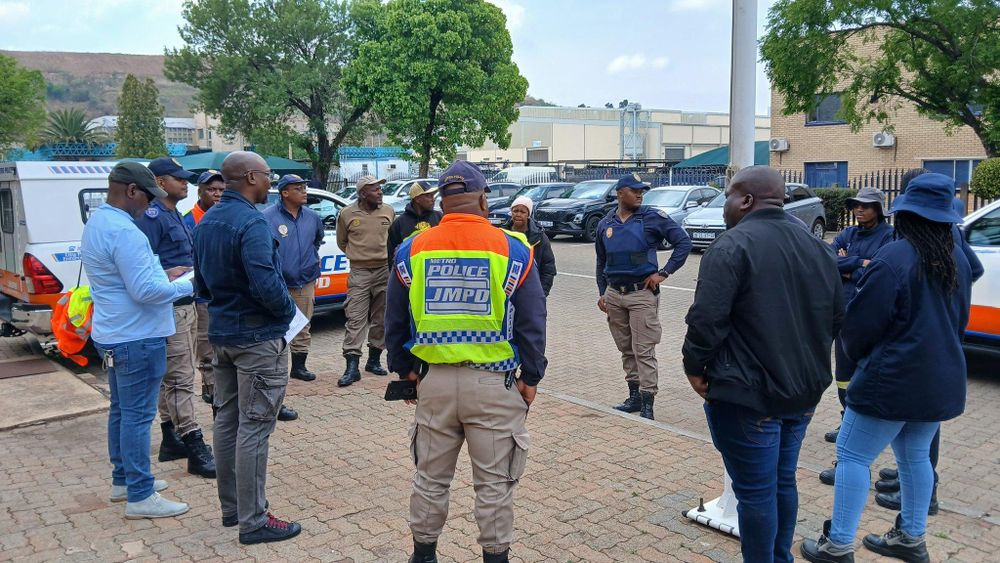
City Power has disconnected eight Johannesburg buildings that owe more than R15 million in outstanding electricity debt, and cited unsafe electrical connections, neglected properties, and concerns that some are hijacked.
The operation on Monday targeted buildings in areas including Marshalltown, Berea, Jeppestown, Yeoville, Hillbrow, and the inner city. City Power spokesperson Isaac Mangena said the intervention was not only about recovering debt but also protecting people living in unsafe buildings.
“Most of them are greatly neglected, basically, but they are occupied, which poses safety concerns in terms of the structure that people are actually staying in,” Mangena said.
He said the condition of some of the electrical connections was another concern, particularly because unsafe connections could contribute to fires.
“We want to make sure that we stop what could be another disaster,” Mangena said.
The operation forms part of a wider City Power campaign targeting 108 buildings it has identified as problematic across Johannesburg.
Mangena said the utility had established a dedicated department to focus on these properties and that officials were gathering intelligence on buildings that had been abandoned, neglected or allegedly hijacked.
“The operation continues until we reach 108 targets,” he said.
“We are going to continue, even intensify, but that number can be added tomorrow, because we also have others who are on the ground, basically gathering intelligence, doing audits of the buildings that are problematic, buildings that have been abandoned or hijacked.”
Mangena said the operation had also exposed the complicated circumstances surrounding some of the properties, where legitimate owners had allegedly been forced out, and tenants remained in the buildings.
“In some of the buildings, the owners are nowhere to be found. So the owners would have been chased away by the hijackers, which is a criminal activity that needs to be looked at by SAPS to act on,” he said.
In one case, Mangena said, the owner of a building arrived during the operation and asked City Power to disconnect the electricity because the property had allegedly been hijacked.
The owner told officials that he was no longer able to pay the outstanding City Power account because of the situation at the property.
The presence of tenants, including students, adds another layer to the problem. Mangena said one of the buildings targeted was student accommodation and that students had complained that they were paying rent to landlords but that the money was not being passed on to pay municipal services.
“If the students complain that, ‘But we’re paying everybody,’ your reconnection would require the landlord,” Mangena said, adding that in some instances the landlord could not even be located.
But reconnection is not simply a matter of settling the outstanding account. Mangena said buildings would also have to meet the required safety standards and have properly certified electrical installations before City Power would restore supply.
“We need to know that it is properly wired by certified electricians and then we can connect electricity from the safety point of view,” he said.
He said the City’s Building Control unit would have an important role in determining what should happen to some of the properties.
In some instances, Mangena said, the City could take over a building and make it available to developers for an appropriate purpose, including student accommodation. Other buildings could be demolished if they were found to be structurally unsafe.
He said the scale and complexity of the problem meant the power utility could not resolve it alone.
“It really needs an interdepartmental approach, which will talk to the national, regional and even local government, to target these issues,” Mangena said.
The latest operation comes against the backdrop of longstanding concerns over Johannesburg’s hijacked and dilapidated buildings, particularly after the August 2023 Usindiso Building fire in which 77 people died.
Parliament has previously warned that the lack of clear, time-bound plans to address dilapidated and hijacked buildings poses a continuing risk to residents. In August 2024, the Portfolio Committee on Human Settlements called for the implementation of recommendations arising from the Usindiso inquiry and warned that conditions in inner-city buildings could lead to further fires and loss of life.
The committee has also previously highlighted the wider risks associated with hijacked buildings, including fire, flooding, health risks and crime.