Civil society questions Ramaphosa’s latest GBVF measures
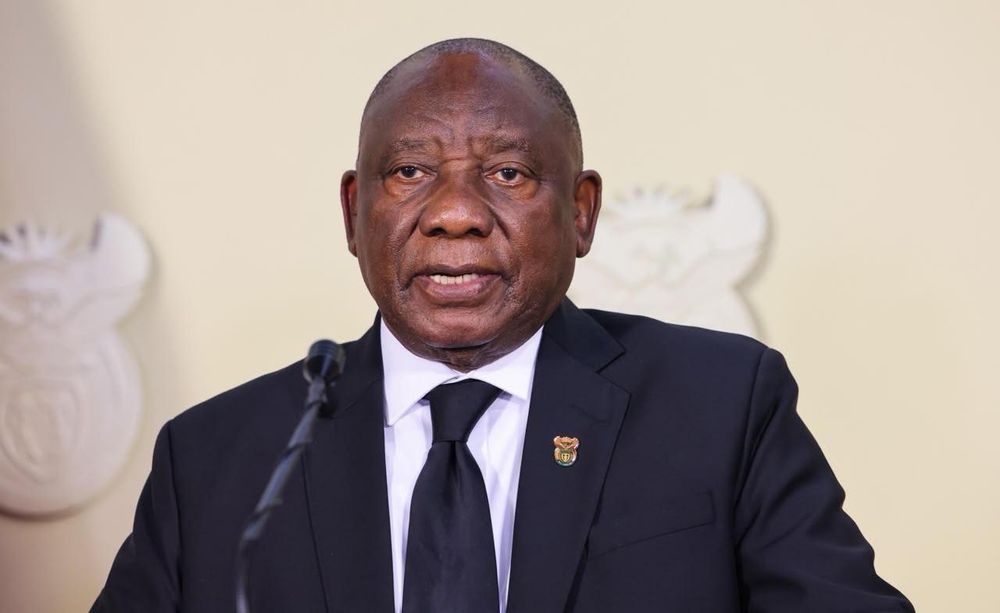
President Cyril Ramaphosa’s latest promise to tackle gender-based violence and femicide (GBVF) has triggered a harder question from civil society and political parties: what will be different this time?
His announcement of municipal safety audits, including fixing broken streetlights, clearing overgrown public spaces and addressing other hazards, has drawn particular criticism from organisations working with victims, who say basic failures that leave women vulnerable cannot keep being repackaged as new interventions.
Amnesty International South Africa Executive Director Shenilla Mohamed said the four measures announced by Ramaphosa came seven years after women took to the streets demanding action on the crisis.
She said the timelines would only carry weight if they resulted in action and consequences for failure, with the audits ordered by the president made public and municipalities held responsible for unsafe public spaces.
“The audits ordered by the president must be made public. Municipalities cannot be allowed to ignore their obligations to make public spaces safer for women, and there must be consequences where they fail to do so,” Mohamed said.
Amnesty also called for femicide to be codified as a crime, arguing that the country cannot properly confront a crisis it does not adequately track.
“You can’t fix what you don’t track,” Mohamed said.
Kwanele Foundation Founder Sihle Sibisi said the address did not adequately respond to the resource shortages facing communities and organisations dealing directly with victims.
She questioned why the government continued holding high-level meetings while organisations working on the ground struggled for resources and called for greater support for civil society groups already assisting communities.
Sibisi also took aim at the emphasis on municipal maintenance, saying calls to cut grass and fix traffic lights did not amount to a new response to the crisis.
She said the speech sounded similar to commitments made years ago, while women remained unsafe and organisations on the ground continued to struggle for resources.
“The government should actually be looking for civil society organisations who are on the ground, who work with the communities, so that they can work with them and empower them and give them resources,” she said.
The International Women’s Forum South Africa, GBVF Response Fund and Graça Machel Trust welcomed the president’s address but made it clear that the announcements could not be treated as the end of the response.
The organisations said the measures would have to be backed by capacity, resources, and accountability, with sustainable funding across prevention, policing, forensic services, justice, survivor support, and community organisations.
Their message was clear: every sphere of government must take responsibility, with progress publicly tracked.
“The president has set out a framework for action. The test now is delivery,” they said.
That demand for delivery was echoed in the political response, with African Transformation Movement leader Vuyo Zungula questioning whether the latest commitments would produce results when previous government plans and funding announcements had yet to satisfy the public.
He pointed to about R21 billion previously announced over three years for various components of the National Strategic Plan on GBVF, as well as a further R1.6 billion announced in 2026 for GBVF-related policing activities and R50 million in provincial baselines.
Zungula said the government should account for money already allocated before asking South Africans to accept another set of promises.
“The women and children of South Africa cannot be protected by Presidential addresses alone.”
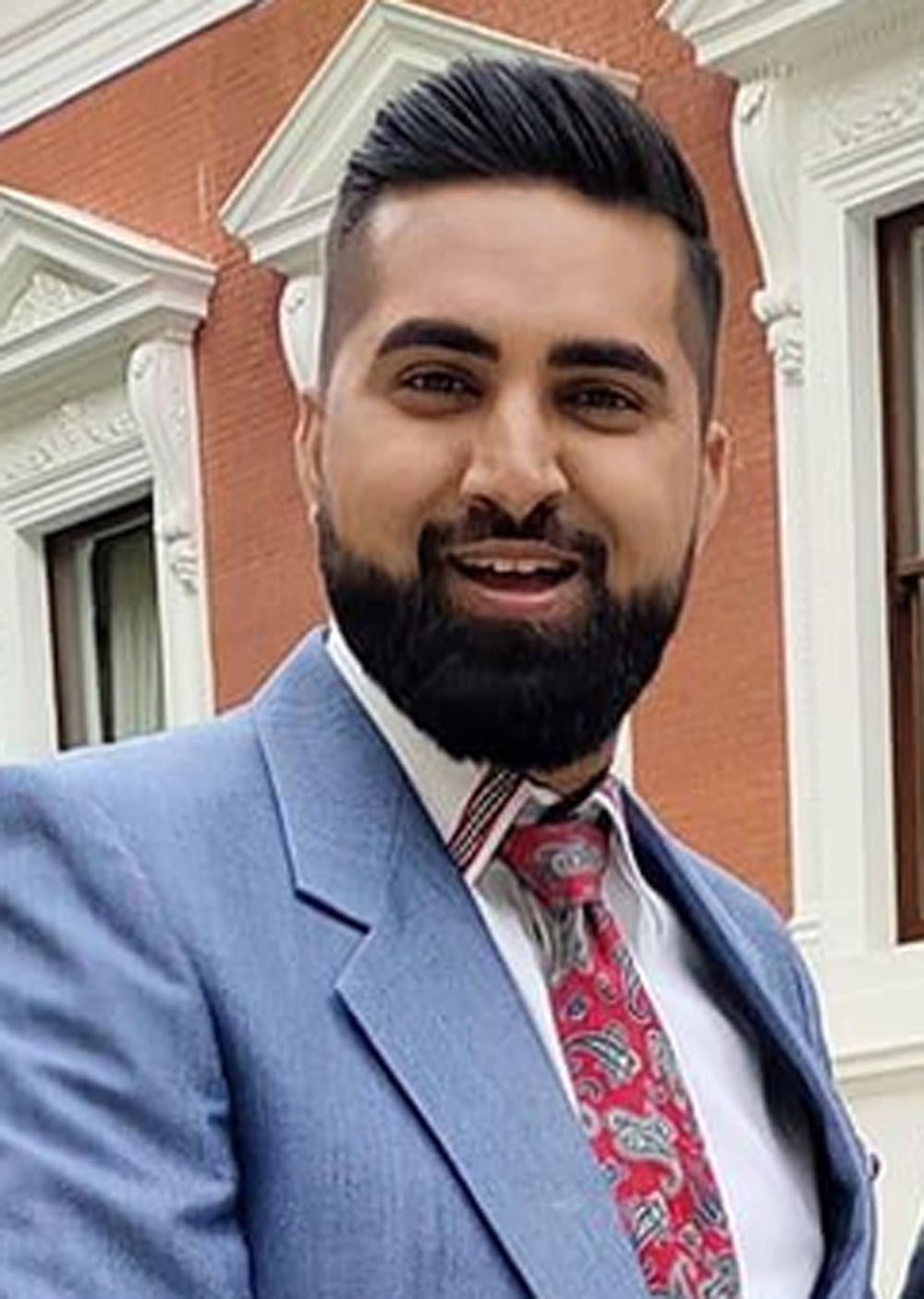
DA leader Geordin Hill-Lewis also challenged the gap between government announcements and what women experience in their communities.
His response pointed to years of emergency plans, legislation, funding commitments, summits, and the classification of GBVF as a national disaster.
“Women are dying while Ramaphosa keeps promising,” Hill-Lewis said.
He said the focus should be on detection, arrests, and successful prosecutions, while calling for stronger municipal law-enforcement capacity and greater visibility in crime hotspots.