Climate talks open as AI and energy shocks deepen crisis

Global leaders began a week of talks on Monday on how to respond to a worsening climate crisis, with speakers pointing to both the promise of a renewable energy boom and the risks linked to the rapid rise of artificial intelligence and data centres.
The discussions, tied to the United Nations General Assembly and New York Climate Week, opened as new reports underlined the scale of the challenge. One found that the world has crossed seven of nine scientific planetary boundaries for a healthy Earth, while another said the 2023 goal of tripling renewable power capacity by the end of the decade can still be met, but only with much faster action.
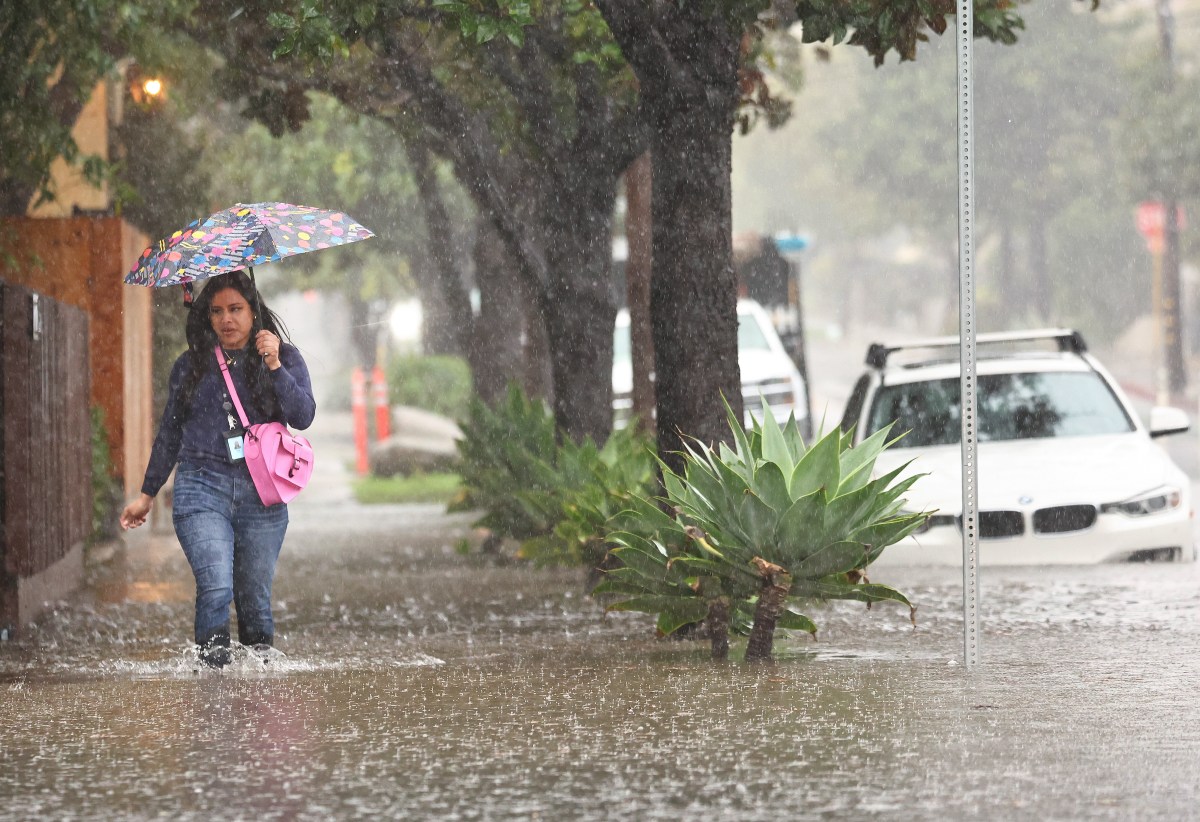
Climate change has often produced plenty of discussion but little action at these annual gatherings. This time, experts and campaigners said two newer pressures are likely to shape the debate: the growth of AI and the energy- and water-intensive data centres behind it, and higher fossil fuel prices linked to wars in Iran and Ukraine. These concerns come alongside climate-driven disasters in Asia that have recently reached new levels of destruction.
Johan Rockstrom, director of the Potsdam Institute for Climate Impact Research in Germany, said, "Patient Earth is not well." He added, "We are not only putting the stability, the resilience, and the life support systems on Earth at risk, we are very close to pushing ourselves across thresholds that can lead to irreversible, unmanageable outcomes."
The institute's Planetary Boundaries Science Lab said in a report released on Monday that the world has breached seven of the nine science-based planetary boundaries. UK Secretary of State Edward Miliband said moving to cleaner and renewable energy is now a "national security imperative". He said the climate breakdown "must be an issue for foreign ministers and prime ministers. As well as energy and climate ministers. The security community, not just the activist community. The generals, not just the green campaigners," he said.
UN climate chief Simon Stiell said climate change is "driving up food prices and wider inflation" and that dependence on fossil fuels is hurting billions of people at the fuel pump. He said rising prices have triggered protests in Asia and Africa, which were hit first and hardest by energy shortages caused by the Iran war. In the US, consumer confidence is falling and petrol prices have touched record highs. Stiell said the Iran war energy shock has cost US consumers more than USD 100 billion in higher fuel prices.
Mohamed Adow, director of Power Shift Africa, said there are "two parallel climate stories" unfolding. He said one is hopeful, with renewable energy expanding, technology improving and the economics of clean energy making increasing sense. The other, he said, is alarming, with climate impacts accelerating faster than political and financial systems can respond. "New York needs to bring those two stories together," he said.
Helen Clarkson, chief executive of the non-profit Climate Group, which organises New York Climate Week, said the environmental footprint of AI and data centres is "very much a hot topic". She said participants have voiced both hopes and fears over AI and its role in tackling climate change. Stiell said, "Energy-guzzling artificial intelligence is driving up planet-heating pollution from coal, oil and gas while ratcheting up energy costs for households and businesses. AI leaders are now on thin ice when it comes to license to operate, and sinking deep underwater when it comes to public support." Several AI-related protests are planned during the week.
Others argued that AI will also be part of the solution. Eva Riesenhuber, head of sustainability at Siemens, and Evelyn Wang, vice president for energy and climate at the Massachusetts Institute of Technology, said AI is too important to humanity and will help address climate change. Wang told The Associated Press that data centres are about five years away from becoming water neutral and about a decade away from no longer adding to planet-warming emissions. Riesenhuber said, "We are racing to mitigate this as fast as possible because we are hooked on the intelligence, and we do need the intelligence to design the future that this planet needs."
Turkey, which is running UN climate negotiations this November, recently announced a new pledge for countries to join to manage the powering and deployment of AI, though no further details were given. Jennifer Morgan, an analyst at The Fletcher School at Tufts University, said the AI issue may bring construction into people's backyards and reach those who are less worried about climate change. She said AI is becoming more vilified in climate talks than the fossil fuel industry.
A separate report released on Monday said the world can still meet its 2023 target of tripling renewable power capacity by the end of the decade, but it must move much faster. The report, by the International Renewable Energy Agency, the Global Renewables Alliance and Turkey, said the world must add more renewable power capacity from 2026 to 2030 than in all previous years combined. IRENA said global renewable additions peaked at 693 gigawatts in 2025, about half the installed power in the US. At the same time, fossil fuels saw a sharp rebound from 2024, driven by China adding coal power.
"The journey so far on renewables is remarkable," Rockstrom said. But he added that renewables are meeting rising electricity demand without "bending the curve" enough to cut the use of oil, coal and gas, which is needed to reduce carbon pollution and meet climate goals. He also said military action by US President Donald Trump in Venezuela and Iran and by Russian leader Vladimir Putin in Ukraine has led to oil and gas shortages that pushed up prices and, paradoxically, prompted countries to shift faster to renewables.
As the week of meetings got under way, the central message was that the climate crisis is deepening even as clean energy expands. Leaders are now being pressed to respond faster on both fronts, while also confronting the growing climate and resource costs of AI and data centres.