Commerce Ministry Notes Democratic Win in U.S. Midterms, Watches for Trumps Trade Policy Shifts - Thairath English

The Ministry of Commerce and the Thai Chamber of Commerce assess that the Democratic victory in the U.S. midterm elections serves as a balancing mechanism requiring President Trump to reconsider trade policies more carefully, while closely monitoring global trade trends and energy prices.
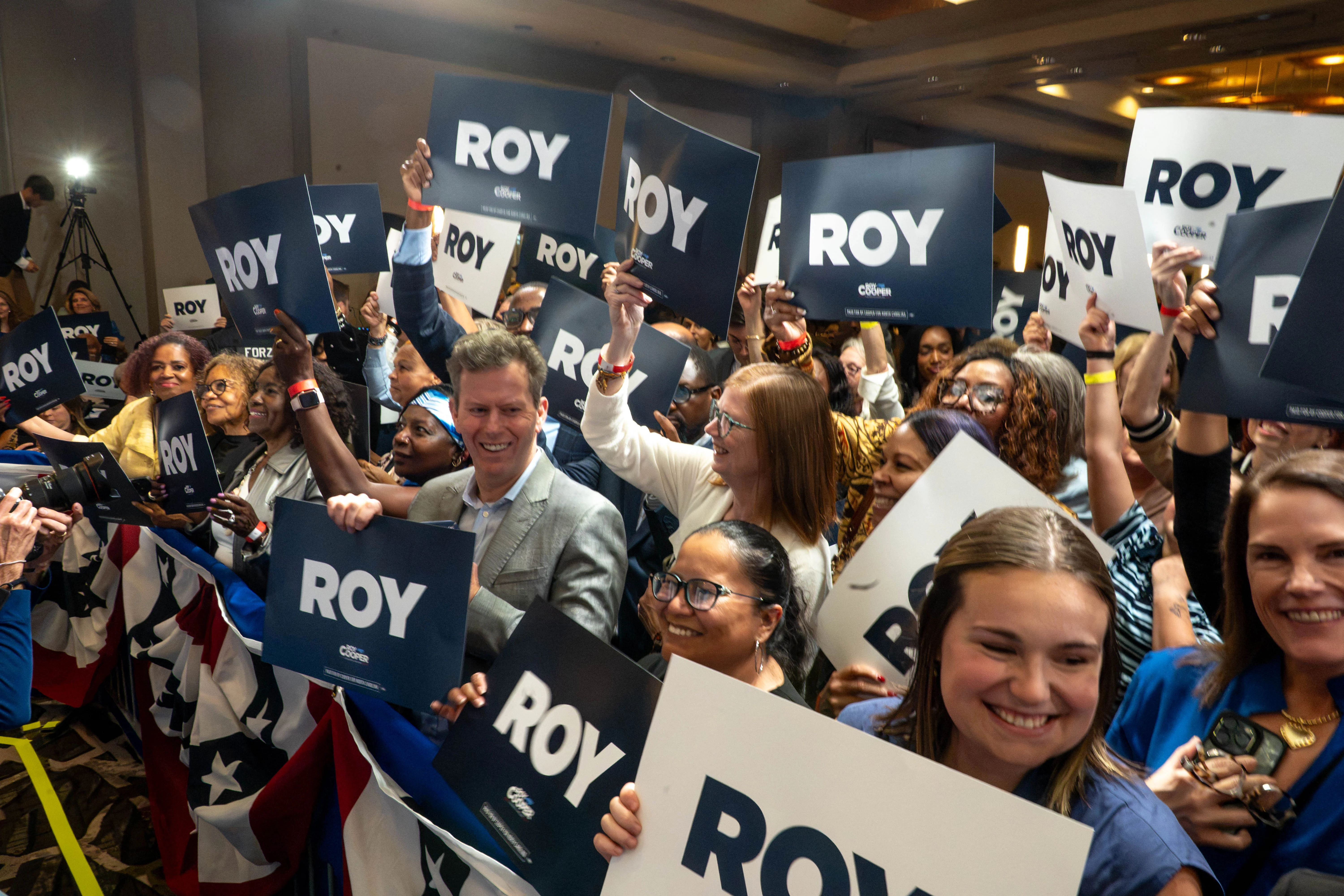
Ms. Suphajee Suthumpun, Deputy Prime Minister and Minister of Commerce, explained that the Democratic Party's win in the U.S. midterm elections may compel the U.S. government to consider new trade policies or measures more cautiously, especially as living costs, inflation, and the domestic economy were significant factors reflected in the election results. With the Democrats holding a majority in Congress, the system of checks on the executive branch's actions will strengthen, including scrutiny of laws and measures that could influence the future direction of U.S. policies.
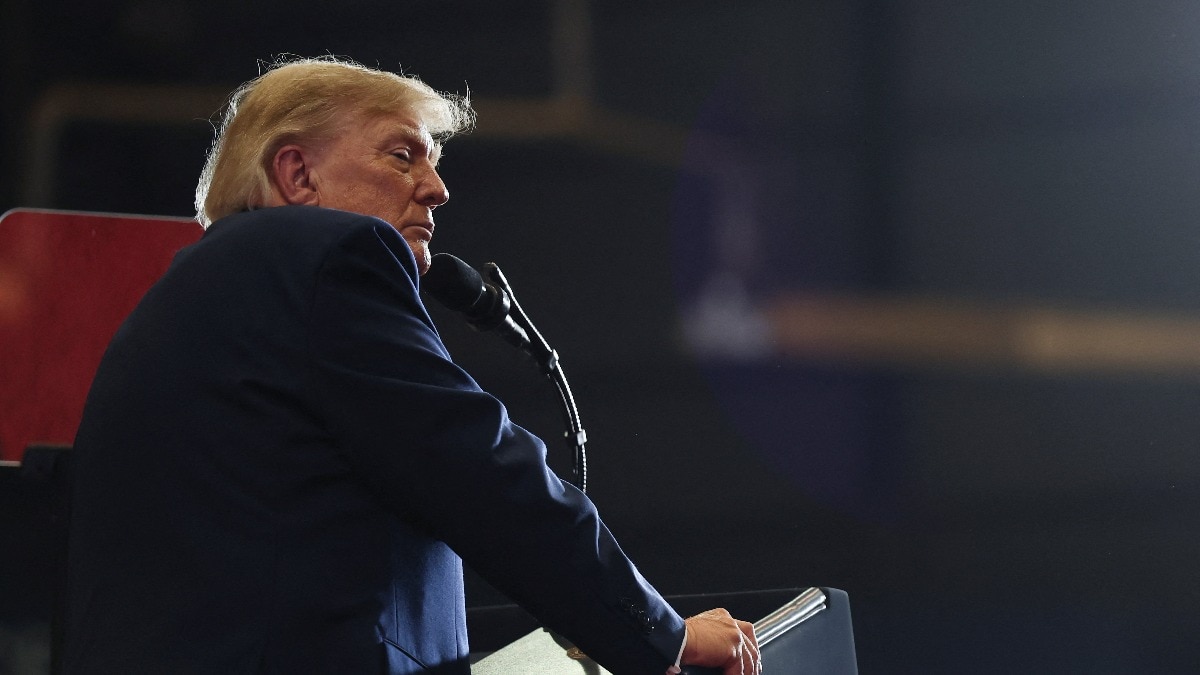
Regarding the ongoing negotiations of the Thailand-U.S. Agreement on Reciprocal Trade (ART), talks will continue as President Donald Trump, from the Republican Party, remains in executive power and continues to apply trade measures under relevant laws such as Sections 301 and 232. It is expected that the Trump administration will maintain tariff measures. Therefore, the ART negotiations are vital for Thailand to sustain competitiveness in the U.S. market and provide clarity and certainty for Thai trade and investment sectors.
. Mr. Phot Aramwattananon, Chairman of the Thai Chamber of Commerce and the Council of Thai Chambers of Commerce, said the election results will create a balance between executive and legislative powers by increasing oversight and checks in policymaking, particularly in economic, budgetary, and international relations areas. However, President Donald Trump retains executive authority within the legal framework, so it remains to be seen how much this change will lead to policy adjustments or compromises between the two parties.
“This election outcome may affect the direction of U.S. trade policies, especially import tariffs, trade barriers, and restructuring of global supply chains. Although the legislature’s role in oversight has increased, it is too early to conclude that trade measures will ease immediately, since economic and technological competition between major powers and domestic industry promotion remain key concerns for both parties.”
At the same time, energy prices may show positive signs if political changes lead to diplomatic and negotiation efforts to ease tensions in the Middle East, benefiting Thailand by reducing production, transportation costs, inflation, and improving consumer purchasing power. Given that the U.S. is a key export market and strategic trade partner for Thailand, it is crucial to monitor developments in trade policies, including tariff measures, rules of origin, and enforcement against trade misrepresentation.
“The most important factor is the global economy returning to stability, with clear, fair, and predictable trade rules, and a reduction in international conflicts, as these influence confidence, investment decisions, and the competitiveness of businesses worldwide.”