
CoolSculpting for belly fat: Plastic surgeon raises concerns, dermat explains its benefits
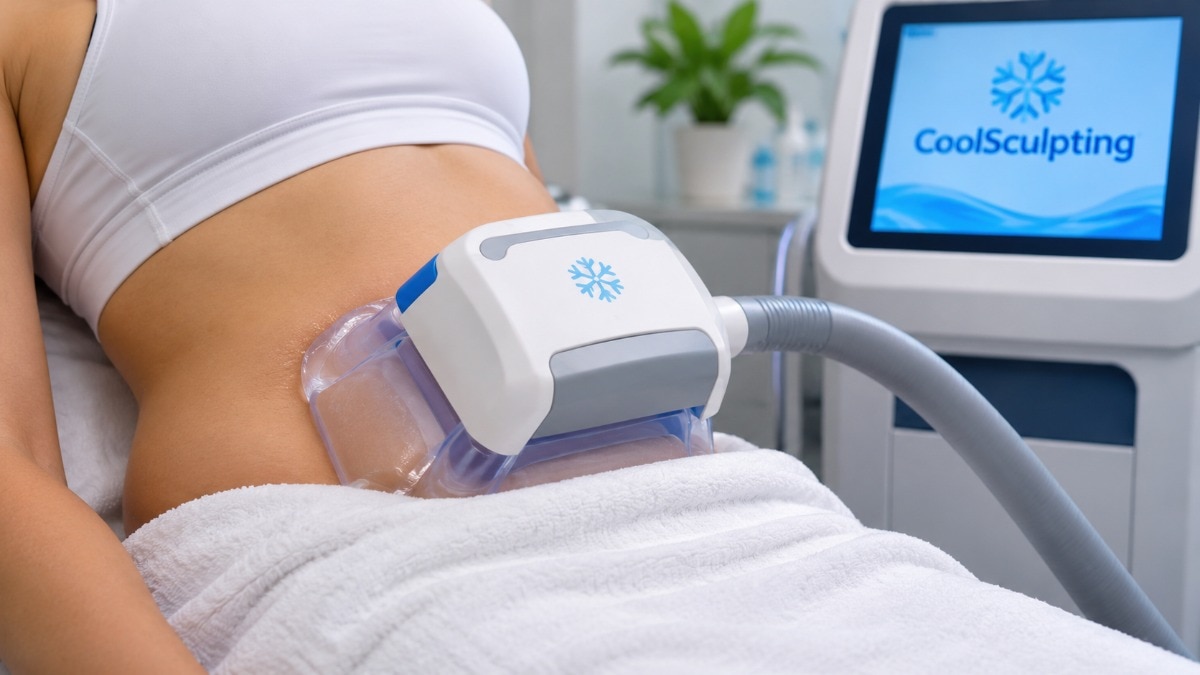
Getting rid of stubborn fat can be frustrating, particularly when certain areas of the body refuse to respond to diet and exercise. From belly fat and love handles to thighs and upper arms, many people struggle with localised fat deposits even after making changes to their lifestyle. This has created a growing interest in cosmetic treatments that promise to improve body shape without surgery.
One such treatment is CoolSculpting, commonly known as fat freezing. The procedure uses controlled cooling to target fat cells beneath the skin, which are gradually broken down and removed by the body's natural processes. Marketed as a non-invasive alternative to liposuction, it has gained attention among people looking for body contouring without needles, surgery or significant downtime.
However, does freezing fat actually deliver the results it promises? While some experts believe the procedure can help reduce small, stubborn fat deposits in carefully selected individuals, others caution that its benefits may be overstated and that patients should understand the potential consequences before opting for it.
Dr Ranjit Bhosale, a plastic and reconstructive surgeon, believes CoolSculpting is often promoted with unrealistic expectations. On the other hand, Dr Amrendra Kumar, dermatologist and hair transplant surgeon at Dermaclinix, New Delhi, says the treatment can be useful when performed on the right candidate, with realistic expectations and proper medical supervision.
CoolSculpting is based on a technique called cryolipolysis, which uses controlled cooling to target fat cells beneath the skin. Fat cells are more sensitive to cold temperatures than surrounding tissues. During the procedure, the targeted area is exposed to carefully controlled cooling, which damages the fat cells.
These damaged cells are gradually broken down and cleared from the body through its natural processes, including the lymphatic system. Unlike liposuction, where fat is physically removed using a cannula, CoolSculpting relies on the body to eliminate the treated fat cells over time.
According to Dr Kumar, clinical studies have reported around a 20 to 25 per cent reduction in the thickness of the treated fat layer. However, this does not mean a person will lose 20 to 25 per cent of their total body fat.
The results are also not immediate. Changes generally become noticeable over one to three months, and some individuals may require multiple sessions to achieve their desired results.WHY SOME EXPERTS ARE SCEPTICAL ABOUT FAT FREEZING
While the concept of fat freezing may sound promising, Dr Bhosale believes its marketing often creates expectations that the procedure may not be able to meet.
He points out that CoolSculpting is positioned as a body contouring treatment rather than a weight loss procedure. It is primarily intended for people who are already close to their ideal body weight and want to address small pockets of stubborn fat.
However, he raises concerns about what happens when people with larger fat deposits undergo treatment. According to him, the treated fat can sometimes become hard and form lumps beneath the skin.
He also highlights the difference between CoolSculpting and liposuction. In traditional liposuction, the surgeon directly removes fat from the targeted area, allowing greater control over how much fat is removed and where.
With fat freezing, the body is expected to clear the damaged cells gradually. Dr Bhosale cautions that if someone is unhappy with the outcome and later opts for liposuction, the hardened fat deposits left behind may make the procedure more difficult and unpredictable.
In some cases, more invasive corrective procedures may be needed to address irregularities or persistent lumps. His concern is that patients should not view fat freezing as a straightforward alternative to surgical fat removal.COOL SCULPTING IS NOT COMPLETELY RISK-FREE
Although Cool Sculpting does not involve surgery, it can still cause side effects and complications.
Dr Kumar explains that common temporary side effects include redness, swelling, bruising, tenderness and numbness in the treated area. These symptoms generally settle within days or weeks, although changes in skin sensation can sometimes last longer.
One of the more concerning complications is paradoxical adipose hyperplasia (PAH). In this condition, instead of shrinking after treatment, the targeted fat area becomes larger, firmer and more prominent.
Dr Kumar explains that PAH may take two to five months to become noticeable. Unlike ordinary swelling, it generally does not resolve on its own and may require corrective surgery.
A systematic review published in 2025 estimated its occurrence at approximately 0.22 per cent, or around one in 455 patients, although the exact risk remains uncertain.
Other possible complications include persistent pain, uneven body contours, nerve-related symptoms and cold-induced skin injuries. Dr Kumar stresses that proper patient selection, trained medical supervision and appropriate equipment are essential to reduce risks.WHO SHOULD CONSIDER FAT FREEZING
According to Dr Kumar, the ideal candidate is someone who is relatively close to their desired weight but has small, localised fat deposits that have not responded to diet and exercise.
The treatment is not intended for people looking to lose several kilograms or manage obesity. It also does not target visceral fat, which is the deeper fat surrounding internal organs.
People with certain cold-related disorders, impaired circulation or reduced skin sensation may not be suitable candidates. The procedure should also be avoided over an existing hernia.
For women considering treatment after pregnancy, there are additional factors to consider. A protruding abdomen may be caused by fat accumulation, loose skin or diastasis recti, a condition in which the abdominal muscles separate. Cool sculpting only targets superficial fat and cannot correct loose skin or separated abdominal muscles.
Dr Kumar advises women to wait until they have recovered from childbirth, completed breastfeeding and reached a stable weight before considering the procedure. An assessment is particularly important for women who have undergone a Caesarean section or suspect abdominal muscle separation.
Ultimately, CoolSculpting may offer modest improvements in body contouring for selected individuals, but it is not a shortcut to weight loss. While one expert highlights concerns about its outcomes and possible complications, another believes it has a role when used appropriately. Understanding these differences, evaluating individual suitability and discussing the risks with a qualified medical professional are important before making a decision.- Ends
Smarica Pant is a senior digital media content writer and editor with over 13 years of experience in news reporting and feature writing. A natural storyteller with a keen eye for emerging trends, she has consistently delivered impactful content that informs, engages and resonates with diverse audiences.
With strong expertise in multimedia storytelling, social media strategy and SEO-led content, Smarica has successfully navigated and adapted to the rapidly evolving digital landscape. Her strength lies in shaping compelling narratives while upholding the highest standards of journalistic integrity. Over the years, she has also mentored young writers, led key editorial initiatives and played an active role in building content strategies that balance reach with relevance.
