COP31: Civil Society groups fault omitting fossil fuel phase-out from draft text - Premium Times Nigeria
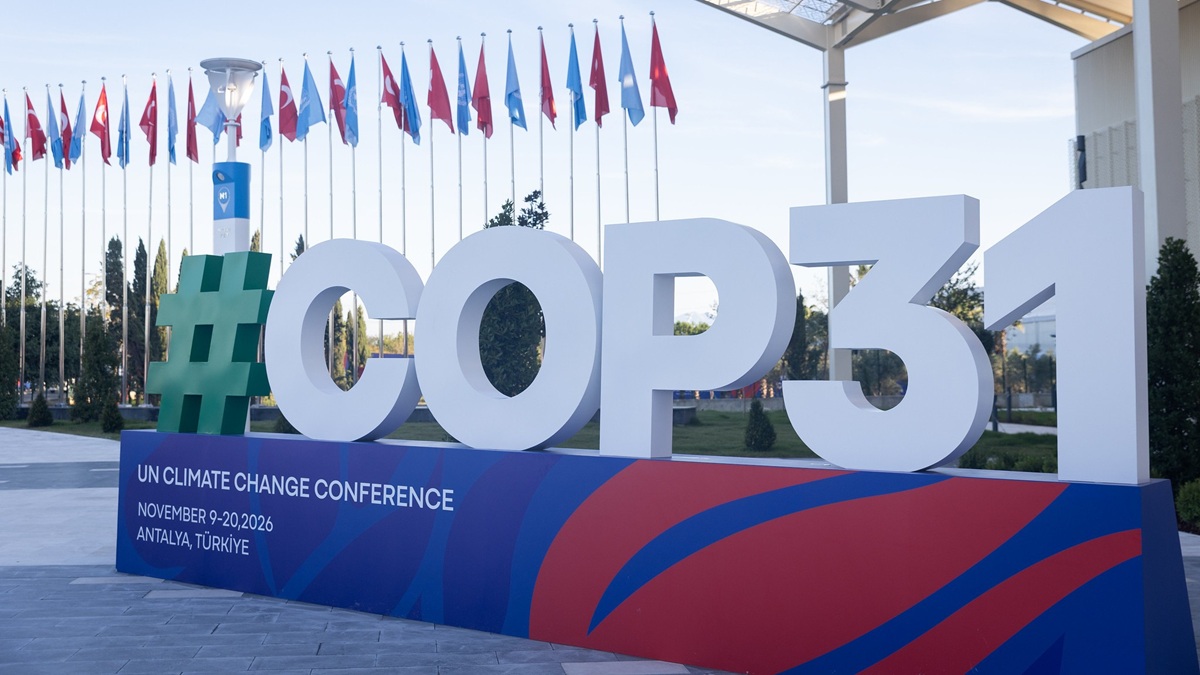
Civil society groups have expressed outrage over the omission of language on transitioning away from fossil fuels in the latest COP31 negotiation draft, published less than 48 hours before the climate talks conclude.
Environmental campaign group 350.org criticised the latest COP31 cover decision for removing all references to transitioning away from fossil fuels, despite calls from countries across negotiating blocs for a political outcome that advances roadmaps to move away from oil, coal and gas—the primary drivers of the climate crisis.
As negotiations enter their final hours, the group warned that efforts to phase out fossil fuels are being sidelined by the COP31 presidencies, climate finance commitments remain inadequate, and clean electrification risks being undermined by carbon capture and fossil fuel loopholes.
According to 350.org, the latest draft text raises several concerns, including Fossil fuel transition, Electrification target, Carbon capture, Adaptation finance baseline, Adaptation finance roadmap, and Climate finance accountability.
In the new draft text, PREMIUM TIMES observed that all references to transitioning away from fossil fuels, or roadmaps for the transition, have been removed.
Paragraph 36(d) places the 35 per cent electrification goal within the context of countries’ commitments to triple renewable energy capacity but does not explicitly require electricity to come from renewables.
While the goal references the need for financial support and enabling energy access, it lacks concrete measures to address these needs, the group noted.
Goals relating to carbon capture and storage, as well as other costly and unproven carbon removal technologies, appear in several paragraphs and could undermine the energy transition.
Paragraph 43 proposes a process for establishing a baseline for the goal of tripling adaptation finance—a step forward, but insufficient, as COP31 should already establish a clear baseline and milestones.
Paragraph 45 proposes launching an “Antalya-to-Addis Ababa Roadmap on Adaptation and Resilience Finance” to scale up adaptation funding. However, it no longer includes the $120 billion needed by 2035, which 350.org says developed countries should have committed to in Antalya.
Other finance-related paragraphs remain inadequate, with developed countries failing to demonstrate sufficient accountability for their commitments.
At COP28 in Dubai, one landmark decision was the adoption of the UAE Consensus, under which countries agreed to transition away from fossil fuels in energy systems in a just, orderly and equitable manner to achieve net zero by 2050.
The removal of references to the transition away from fossil fuels in the latest COP31 draft has sparked fresh concerns among observers, who argue that addressing the climate crisis requires a decisive shift away from fossil fuel dependence.
Reacting to the draft text, Andreas Sieber, 350.org’s head of political strategy, described the situation as an “outrageous and utterly embarrassing” lack of leadership by the COP31 presidencies.
He said the presidencies had reduced one of the world’s defining challenges to an inconvenient paragraph they would rather delete, while leaving the door open for fossil fuels to masquerade as clean electrification.
Mr Sieber said Brazil, a country deeply dependent on oil, had the political courage to begin confronting the difficult question of how to move beyond fossil fuels last year.
He, however, criticised this year’s leadership, saying that with Minister Chris Bowen, observers had got a “spineless fossil fuel bro” while the Türkiye presidency stood by.
“If the COP31 presidencies want to keep some level of credibility, they should announce to take forward the global and national roadmaps in a presidency initiative similar to what the COP30 presidency did,” Mr Sieber said.
“Rich countries’ failure on finance is a historic disgrace. They expect developing countries to shoulder the costs of a global transition while refusing to provide the means to deliver it. This is not a failure of technical negotiations. It is a shameless abdication of political responsibility. If this is where COP31 lands, history will remember it as a summit where those entrusted with leadership chose the comfort of inaction over the courage to confront reality.”
Rukiya Khamis, 350.org East Africa lead, said more than 600 million people in Africa still lack access to electricity and need reliable, affordable renewable energy.
“But electrification that masquerades as green yet opens the door to more fossil fuel use is not what we came here for. Africa needs to electrify with renewables to keep people safe, lower bills, and create green jobs and industries,” she said.
Ms Khamis criticised wealthy countries for failing to provide sufficient climate finance, arguing that developing countries cannot build a sustainable future on inadequate funding.
“We cannot build this future on crumbs thrown by rich polluting nations. Governments are spending around $1 trillion on fossil fuel subsidies. But at COP31 they have only pledged $50 million for adaptation, and the draft text delays agreeing on a baseline for tripling adaptation finance with yet another process. If that isn’t fixed, Ethiopia will be left to clean up the mess that rich nations, particularly European nations, made in Antalya by blocking climate finance.
“Developing countries and frontline communities don’t need another process; they need the money. COP31 must set the baseline now and deliver it. Anything less is a cruel injustice and an insult we will not accept.”
Fenton Lutunatabua, 350.org’s Pacific and Caribbean lead, said the direction of the negotiations amounted to a betrayal of Pacific nations, warning that the outcome must preserve the 1.5°C target and momentum towards transitioning away from fossil fuels.
“Australia calls itself part of the Pacific family, but the direction of the talks is already pointing to a betrayal of the Pacific. COP31 must keep 1.5°C and momentum on the transition away from fossil fuels alive.
“While overshooting 1.5°C is now inevitable, we absolutely can’t accept it as the norm. Every year above 1.5°C puts more pressure on Pacific ecosystems, infrastructure and lives. Yet world leaders are ignoring our reality and showing an outrageous lack of political will on phasing out fossil fuels.”
Mr Lutunatabua said the region cannot rely on costly, unproven technologies such as carbon capture to address the climate crisis.
“The science is clear: ending coal, oil and gas now is the only way to limit overshoot.”