COP31: White paper urges governments to invest in water-based energy storage - Premium Times Nigeria

A new international white paper launched at the COP31 climate summit in Antalya, Türkiye, has urged governments to prioritise pumped-storage hydropower as strategic infrastructure to strengthen energy security and support the expansion of renewable electricity.
The paper, developed with input from more than 60 governments and international agencies through the Global Alliance for Pumped Storage (GAPS), outlines seven policy recommendations for accelerating investment in the technology, which can store electricity for extended periods and release it when demand increases.
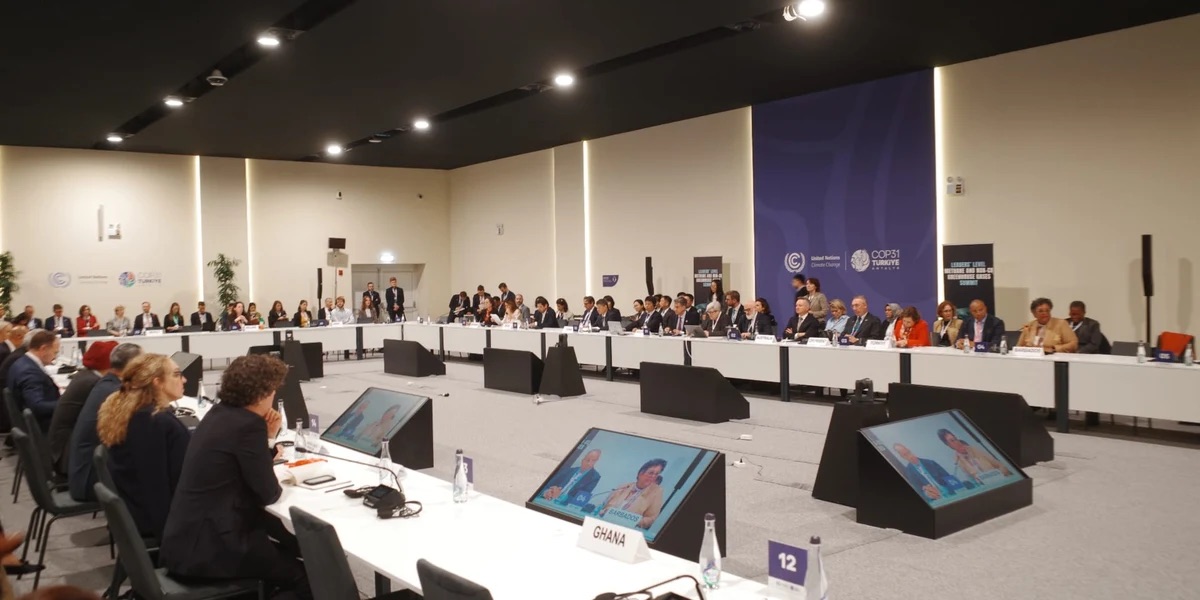
It was presented at a high-level roundtable organised by GAPS, as countries consider how to strengthen electricity systems amid growing energy demand and the expansion of renewable energy.
Pumped-storage hydropower uses surplus electricity to pump water from a lower reservoir to an upper reservoir. When electricity demand rises, the system releases stored water through turbines to generate electricity.
Unlike conventional battery technologies, the system can store large amounts of energy for extended periods, while also providing services that help maintain electricity grid stability.
The white paper argues that the technology could help countries reduce dependence on imported energy resources and strengthen domestic energy systems because it relies primarily on water, suitable geographical locations, and local labour, rather than imported or processed critical minerals.
It also notes that projects can be developed using existing reservoirs, lakes, hydropower infrastructure and former mining sites.
The paper identifies seven priority areas for governments seeking to accelerate pumped-storage development.
These include assessing national energy-storage needs and incorporating them into electricity planning, recognising pumped storage as strategic national security infrastructure and establishing clear legal definitions for energy storage.
It also recommends identifying and preparing suitable sites, simplifying permitting and licensing procedures, creating an enabling investment environment and ensuring that pumped-storage operators are adequately remunerated for the services they provide to electricity systems.
According to the paper, significant upfront investment, lengthy development timelines and site-specific preparation requirements have continued to limit the development of pumped-storage projects despite their established capabilities.
It argues that governments must create the necessary policy, regulatory and market conditions to attract investment while ensuring that projects meet environmental and social sustainability standards.
The launch comes amid efforts to expand electricity access and increase the share of electricity in global energy consumption.
Under the COP31 Global Electrification Pledge, countries are seeking to increase electricity’s share of final energy consumption from about 23 per cent currently to 35 per cent by 2035.
Achieving this target will require electricity systems that can accommodate growing renewable energy generation while maintaining a reliable supply, the paper states.
It identifies pumped storage as one of the established technologies that can provide long-duration energy storage alongside other grid services, including frequency and voltage control, operating reserves, and black-start capabilities, which allow electricity systems to restart after a major outage.
President of the International Hydropower Association (IHA), Malcolm Turnbull, said countries seeking greater energy security and faster electrification could not afford to overlook the infrastructure required to support reliable electricity systems.
Mr Turnbull said pumped storage represented a long-term investment in national energy security and sovereignty, adding that the white paper provided governments with recommendations to translate the technology’s potential into projects, investment and more resilient electricity systems.
“As countries seek to become energy secure and accelerate electrification, we cannot afford to overlook the infrastructure that makes these systems work,” he said.
The paper also highlights the potential economic benefits of pumped-storage projects, including employment opportunities through domestic resources and local labour.
It argues that their long operational lifespans could make them important infrastructure investments for countries seeking to strengthen their electricity systems over generations.