David Olive: The High Liner sale to Japan confirms Canada is not for sale. It has already been sold - Toronto Star
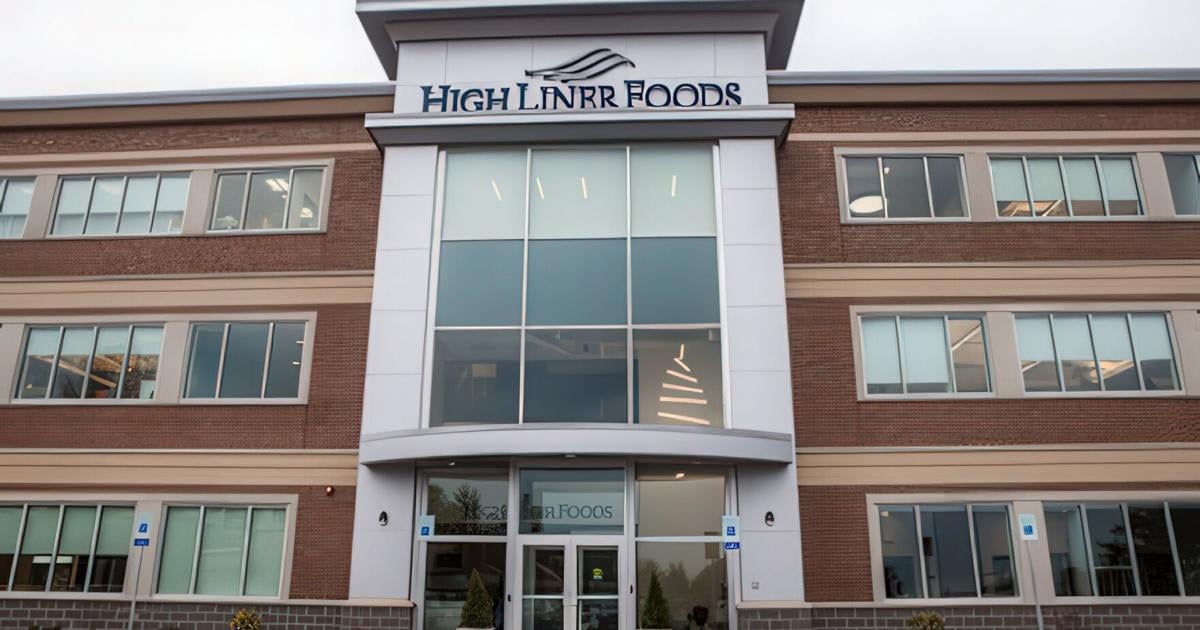
High Liner is the latest Canadian icon we're handing to foreign interests.
The U.S. headquarters of High Liner Foods in Portsmouth, N.H.,, is seen in this file photo.
David Olive is a Toronto-based business columnist for the Star.
High Liner Foods of Nova Scotia will soon be sold to foreign interests. High Liner is the latest victim of our bad habit of selling our most successful companies to offshore interests.
We have a productivity crisis in Canada. Economists and think tanks wail about it all the time. They usually say government tax policy is to blame.
One real reason Canada lags its G7 peers in productivity growth is that our competitors are less likely than Canada to let companies of strategic national value slip through their fingers.
The highest-value work at a company tends to be done in the home country of the enterprise. That includes R&D, new-product development, corporate finance, export strategies and marketing.
Canada is a glorified sales office. The big decisions at Microsoft, Procter & Gamble and Merck are made elsewhere. They do their R&D, capital management, new-product invention and senior management grooming and promotion at or near their head offices in Redmond, Wa., Cincinnati, Ohio, and Rahway, N.J., respectively.
In 2021, France blocked the bid by Quebec-based convenience store operator Alimentation Couche-Tard (Circle K) from buying French supermarket chain Carrefour Group S.A. in a friendly takeover agreement.
Carrefour has stores across Europe, and a major part of its business is C-stores, besides its grocery emporia. Carrefour was also in bad shape after years of mismanagement.
But France said no, on the specious grounds of “food sovereignty.” The real reason was that France would not allow a proud symbol of French commerce to be lost to foreign interests — even if the prospective buyer happened to be francophone.