
Deepinder Goyal says Temple not a scam, have spent over Rs 188 crore building it
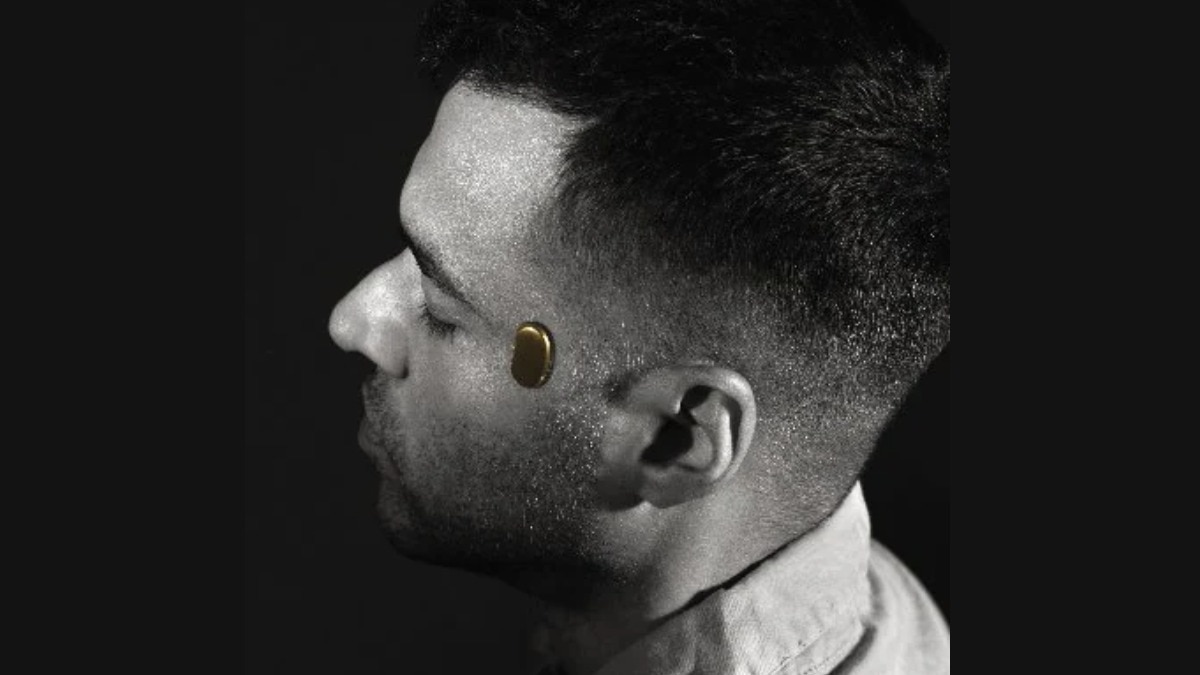
Deepinder Goyal's Temple is gearing up for its launch, and while some corners of the internet seem excited about the wearable, others are raising questions about its science, with some even calling it a scam. Now, the Zomato founder is hitting back at doctors questioning the technology behind Temple, his Rs 85,000 brain-monitoring wearable. Responding to the criticism, Goyal has defended the device, saying he has invested $20 million of his own money into the project and is confident that its science will stand up to scrutiny.
In a lengthy post on X, addressed to “concerned Indian doctors”, Goyal said Temple had cost $30 million to develop, with $20 million coming from his personal funds. “ if Temple were a scam, and any of what we said weren't true, people would know it in just a few days of using Temple,” he worte on X”
“ We have 14-day, no-questions-asked returns (which even Apple doesn't offer in India). If the product doesn't work, it fails out of the gate and the company dies before recovering a tenth of its R&D.”
Goyal argued that the project was not a quick money-making exercise and that he had stepped down from his role as Eternal CEO to pursue what he described as a larger purpose with Temple.
“This is not about money. I have enough of it to last for generations,” Goyal said, adding that his incentives were aligned with getting the science right. He also claimed that Temple employees had invested in an earlier funding round, while most of the money being raised in the latest round came from customers.Dear Concerned Indian Doctors, I see your rage against Temple on X. I have a few points to make: 1. First and foremost, a business lesson: if Temple were a scam, and any of what we said weren't true, people would know it in just a few days of using Temple. We have 14-day, no-questions-asked returns (which even Apple doesn't offer in India). If the product doesn't work, it fails out of the gate and the company dies before recovering a tenth of its R&D. 2. We have already spent $30m building Temple, $20m out of which is my own money. Selling a few thousand devices recovers a small fraction of this investment. A scam that pays nothing is not a scam anyone would run. 3. I left the Eternal CEO role to chase purpose with Temple. This is not about money. I have enough of it to last for generations. My incentives are fully aligned with getting the science right. I am not staking a reputation earned over 20 years on making a quick buck. 4. Our employees bought into our round a few months ago. The round we're raising now is mostly our customers. Scams don't build that cap table. 5. Most wearable companies start with internal studies. Whoop shipped its band in 2015, and the first published validation followed a few years later. We hold ourselves to a higher standard; pre-prints are a step prior to peer reviewed publications, and they are coming up. 6. At some point you have to stick your neck out and say: we believe in our science, and the product is now valuable enough for people to pay for and use. We believe we are there. More validation continues in public. 7. We are confident that we are building something that the world is going to be positively astonished with. We stand by our science and our methods. Each of our claims is easily verifiable by individuals and institutions alike, and you will see a lot of independent studies come up on their own when the device becomes available to use. Last but not the least, the most ground breaking features in Temple are not even public yet. And some of them, thankfully, have nothing to do with doctors Hope this addresses some or all of your concerns. If not, keep raging— Deepinder Goyal (@deepigoyal) November 5, 2026What is Temple and why are doctors questioning it?Temple is a small, pill-shaped wearable designed to sit near the temple and monitor changes in brain blood flow and entropy. The latter, according to the company's website, refers to how hard the body works to shed heat. The device is also linked to Goyal's Gravity Ageing Hypothesis, which proposes that gravity's long-term effect on blood circulation could contribute to ageing, particularly in the brain.
However, several doctors have questioned whether the device can actually measure and interpret brain blood flow as claimed. Hepatologist Dr Cyriac Abby Philips, popularly known as The Liver Doc, has been among its most vocal critics, calling Temple a major health scam and wellness fraud.
Responding to the criticism, Goyal said wearable companies often launch products before publishing scientific validation. Citing Whoop as an example, he said the company shipped its fitness band in 2015, while its first published validation came years later.
“We hold ourselves to a higher standard; pre-prints are a step prior to peer reviewed publications, and they are coming up,” Goyal wrote. He maintained that Temple's claims could be independently verified and said more studies would emerge once the device became available for people to use.
Goyal also hinted that the wearable's most groundbreaking features were yet to be revealed. “And some of them, thankfully, have nothing to do with doctors,” he added, before ending his post with a cheeky message to critics: “If not, keep raging.”The Liver Doc hits back at Goyal
Meanwhile, Goyal's clarification has not convinced Dr Cyriac Abby Philips. Responding to the founder's post, the hepatologist again questioned Temple's claims and pointed to what he described as a contradiction in the company's positioning.
“Now he claims it is just a 'fitness tracker' and has nothing to do with the brain? Wow. So $900 for a mere fitness tracker made in India with different claims?” Philips wrote on X. "The device can only measure blood flow and flushing to the face in humans and has ansolutely NOTHING to do with the brain as they claim. This is the issue, not what can happen in the future. The device itself fails its primary objective."
He also reiterated his argument that Temple has not provided convincing evidence that it can measure brain blood flow or deliver the health insights it claims to offer.Pre-orders now open
As for the launch, Temple pre-orders are now open in India, with the wearable priced at Rs 85,000. Interested buyers can book the device through the company's official website and choose from six color options, including True Gold and Rose Gold. - EndsAlso Read | Do not visit these websites or hackers could steal data from your iPhone and Android phoneAlso Read | Blinkit ambulance to charge Rs 2,500 for some services, Deepinder Goyal announcesAlso Read | Zomato launches Limitless Delivery, now lets users order from restaurants up to 40km away
Divya enjoys making sense of the ever-evolving worlds of tech and AI. From decoding specifications and testing the latest gadgets to exploring how technology shapes the way we live, work and connect, she believes there is always more to a story than what meets the eye. Away from the screen, she is probably brewing her next cup of coffee, thinking about her next meal or overthinking just about everything else.

