Delhi unveils 4-tier student mental health policy, focusses on early detection
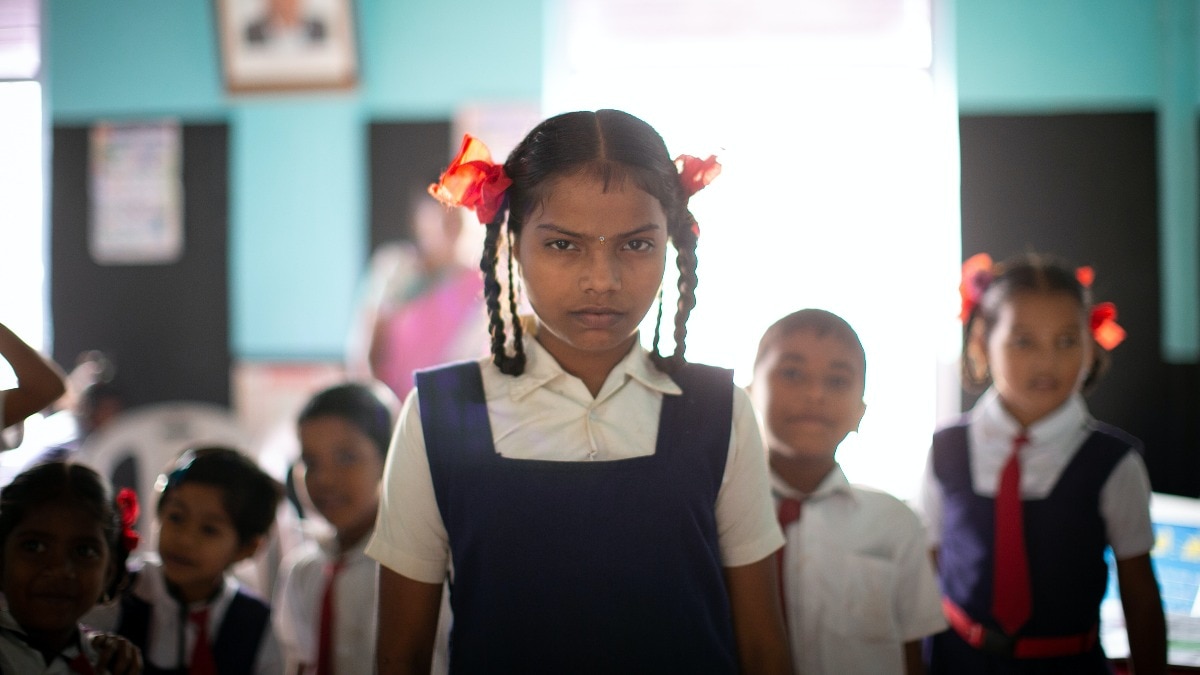
The Delhi government’s mental well-being policy aims to create a support system for students, from identifying early signs of distress in classrooms to providing clinical care during emergencies, news agency PTI reported.
Unveiled on Thursday, the policy sets out a four-tier framework covering emotional well-being, awareness, early intervention and specialised care. Schools and higher education institutions are expected to create supportive environments and make emotional health an integral part of education rather than addressing it only during crises.
According to the policy document, the approach goes beyond isolated counselling sessions and involves students, teachers, parents, non-teaching staff and institutional leaders in promoting emotional well-being and identifying distress early.
The first tier focusses on supporting the mental well-being of all students through emotional learning, inclusive practices, healthy campus environments and efforts to reduce the stigma around seeking help. The second tier provides targeted awareness and training programmes for teachers, wardens and parents to help them recognise signs such as withdrawal, mood changes, falling academic performance and behavioural changes.
The third tier provides early support through confidential guidance, counselling and short-term psychosocial assistance from qualified counsellors, trained mentors and designated mental health and well-being centres.
The fourth tier covers specialised care for students with severe mental health conditions or those at risk of self-harm. It includes emergency assessment, clinical treatment, crisis support and referrals to psychiatric hospitals or specialised services.
The policy also establishes a three-level crisis response mechanism covering routine, urgent and emergency cases. A six-stage escalation chain will involve classroom teachers, counsellors, school heads, district well-being centres, hospitals and statutory authorities, depending on the nature of the case, PTI reported.
Cases involving an immediate risk of self-harm or suicide will require swift action to ensure the student’s physical safety without waiting for routine assessment procedures.
The framework also requires school personnel to report suspected child sexual abuse to the police or the Special Juvenile Police Unit without delay or internal screening, in line with the Protection of Children from Sexual Offences Act.
The framework proposes one counsellor for every 500 students in schools, along with dedicated counselling rooms. Counsellors should not be assigned unrelated administrative or disciplinary duties.
Higher education institutions are expected to establish mental health and well-being centres and monitoring committees with student representation. District well-being centres will serve as regional hubs for specialist guidance, referrals and coordination among institutions.
The policy also addresses students moving from school to college, treating the period from Classes 9 to 12 and the early college years as a continuous transition rather than a brief orientation exercise. It proposes support for independent study, budgeting, digital safety, consent awareness, language bridging and preparing parents for the transition.
The framework seeks to address the challenges faced by first-generation learners, migrant students, hostel residents and students with disabilities. For students with disabilities, it calls for early transition planning, accessibility reviews and individual support plans. Distance and non-traditional learners are to be connected with mentors and support forums to reduce isolation.
Institutions will be expected to monitor implementation through digital tracking and self-assessment, with accountability measures and phased consequences for non-compliance. The policy draws on the Mental Healthcare Act, 2017, the Rights of Persons with Disabilities Act, 2016, the POCSO Act, 2012, and the National Education Policy 2020.- Ends