Democrats Need to Untangle Trump’s Iranian Knot - Newsweek
In his latest campaign video, Abdul El-Sayed, Michigan’s Democratic Senate nominee, stands outside a gas station, points at the prices of gas and diesel, and blames "a stupid war we shouldn’t be fighting."
His Republican opponent, former Representative Mike Rogers, stops short of that verdict. But Rogers, whom President Donald Trump has endorsed, says the war must "end quickly," two months after opposing moves to revoke the president’s war powers.
In Iowa, Trump-backed Senate nominee Ashley Hinson also wants a "successful and immediate end." So Senate nominees in both parties now say they want the war over, a seemingly unifying voice on Iran.
But they disagree about the peace, which Democrats would help shape should they win the House in November, and perhaps even the Senate if the blue wave is more like a tsunami. A new Iran settlement that actually lasts must answer two questions.
Tehran will ask whether Washington will honor it after the next election. The most credible answer to that is an agreement backed by both parties in Congress. Washington will ask whether Tehran will even honor it. That answer has to be terms inspectors can verify.
The recent history is not particularly encouraging. The 2015 nuclear deal cleared Congress without a single Republican vote, and Trump withdrew the U.S. in May 2018. His own June memorandum with Tehran was declared dead within three weeks.
For Democrats, answering the first means embracing some of Trump’s objections to the last deal, to minimize the chances of a future Republican leader putting it in the trash again. Answering the second means turning their stated principles into specified terms.
On goals, Democrats sit closer to Trump than their rhetoric implies.
Representative Gregory Meeks, the House Foreign Affairs Committee’s top Democrat, faulted the war for leaving Iran’s nuclear and ballistic missile programs intact and its leverage over Hormuz undiminished, urging multilateral diplomacy to reopen the strait.
"Despite all the costs, none of the administration's stated objectives with Iran have been achieved," Meeks said.
Virginia’s Senator Tim Kaine called Trump’s June memorandum too generous, saying that if reports of its terms were accurate, Washington was "giving a lot more to get a lot less" than in 2015.
Senator Chris Murphy of Connecticut, on the other hand, would rather not wait for better terms. "I would basically support any agreement at this point to end this war," he said in an August floor speech, conceding that Iran would essentially declare victory.
His case rests on costs, human and monetary.
The Pentagon counts 19 U.S. service member deaths and more than 820 wounded. The Congressional Budget Office estimates that combat operations had cost the Pentagon about $38 billion through August 1.
Gasoline is touching $4.50 a gallon, and diesel hit a record $6.53 on September 22. Nearly seven months of war have not reopened the strait.
The House has passed three war-powers resolutions since early June, the latest on September 15 by 220-204, with seven Republicans. On September 24, the Senate rejected the July measure, 49-50.
The June measure passed both chambers, but administrations of the two parties have long argued that such resolutions cannot bind a president, and the fighting resumed within weeks.
A Democratic House could not block an agreement on its own. But it would hold the purse strings and help conduct the review that a 2015 law requires for any nuclear agreement with Iran.
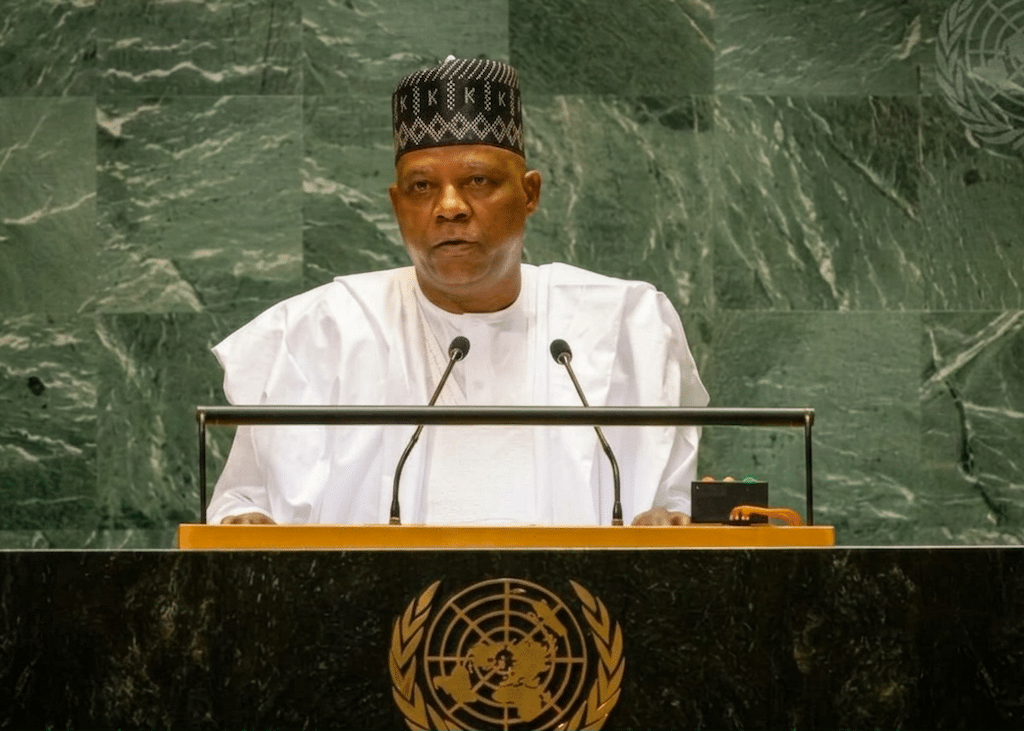
At the United Nations on September 22, Trump said Iran was stalling "to see how I do in the midterm election" and predicted a deal would be struck right after it.
Under the law’s 30-day review clock, that timing would hand the review to the outgoing Republican Congress. It’s not clear what path they would choose.
But Democrats should be preparing for either eventuality. Because even if the war ends under Republican congressional pressure, they are likely to have a big hand in molding what happens next with Iran under Trump.
Reuters reported on September 24 that negotiators are weighing a trade—Iran reopening Hormuz, Washington lifting its blockade—without having settled who moves first, neither side keen to sacrifice leverage or look like their hand was forced to move.
Regional sources told the agency that Tehran was willing to shift its demand for transit fees into a side attachment rather than drop it, though the International Maritime Organization’s council said in July that passage should remain free of tolls.
Former U.S. negotiator Dennis Ross said the blockade is "strangling" Iran. Meeks has called military blockades "acts of war." A Democratic House pressing to end "hostilities" would have to decide whether that includes the lever Tehran most wants removed first.
The June memorandum shows what ambiguity can cost. It promised toll-free passage "for 60 days only" and left the strait’s future administration to Iran, in consultation with Oman and other Gulf states.
By Murphy’s take, Tehran believed it had been given control of the strait. The American side thought it had conceded no such thing.
Democrats’ September resolution contains an express exception for defending the U.S., an ally, or a partner from imminent attack, subject to the War Powers Resolution’s 60-day limit. It gives a president leeway to respond militarily when an urgent situation demands it.
The White House, opposing the July measure, said the president needs flexibility to pursue "diplomacy backed by credible deterrence."
Yet whether Democrats’ resolution would cover a neutral tanker coming under fire is unclear.
The nuclear file is also harder to resolve than it was in 2015. The International Atomic Energy Agency’s (IAEA) September 1 report describes what is essentially a blackout.
No access to any declared Iranian nuclear facility since June. No visibility for more than a year over a stockpile that stood at roughly 440 kilograms of 60 percent enriched uranium before last year’s strikes. Not even the precise location of a fourth declared enrichment plant.
Whatever one makes of how Trump left the 2015 deal, his objections to it—sunset clauses, weak inspections, and nothing on missiles—now read in a more vindicatory light.
That’s the counterintuitive price of durability. Winning Republican votes may mean Democrats backing an agreement negotiated by a president whose war they have campaigned against, if its terms clear the bar.
A future Democratic president’s deal would need Republican votes for the same reason.
So the test is not whether Democrats want the war over, which has an obvious answer, and one shared by many Republicans too.
It’s what they will put their names to. Like access for inspectors, the order in which relief follows Iranian actions and in what areas, the military authority that remains if shipping is attacked, and whether the result is a memorandum or an agreement Congress reviews.
Once Democrats can specify those things, the tangle Trump tied can be loosened, even a little. If not, Democrats will have won the argument against Trump’s war only to inherit, and own, his knot.