DHS USD 20 million Trump ad campaign sparks taxpayer misuse row before midterms

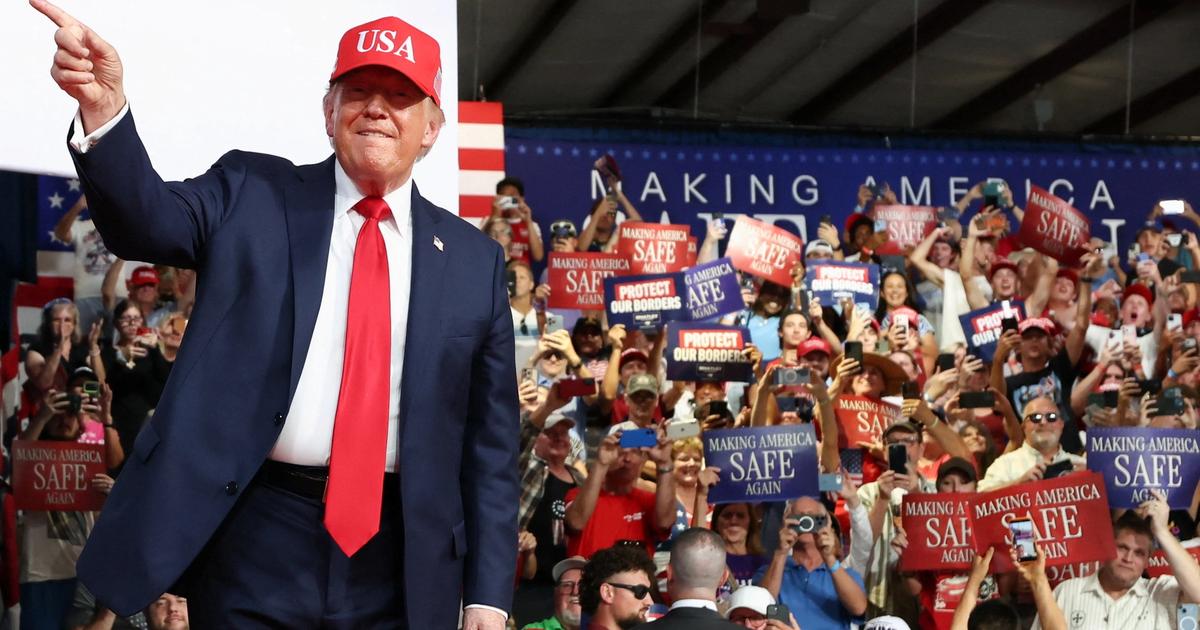
The US Department of Homeland Security has set aside USD 20 million for television and streaming advertisements praising President Donald Trump, triggering criticism from both Democrats and Republicans over the use of taxpayer money. The White House has defended the spots as public service announcements, but opponents say they amount to political advertising paid for by the government.
The controversy has intensified as the midterm elections approach, with lawmakers questioning how the money is being used and whether the campaign breaks anti-propaganda rules. Data from AdImpact shows that more than USD 2.5 million was spent on three ads in the past seven days alone, though the actual figure could be higher depending on how networks classified them.
In a letter sent on Tuesday to Homeland Security Secretary Markwayne Mullin, Senator Patty Murray of Washington and Senator Chris Murphy of Connecticut said the money was being drawn from Trump's so-called 'One Big Beautiful Bill' and was meant for US Customs and Border Protection. Murray is the top Democrat on the Senate Appropriations Committee, while Murphy is the ranking Democrat on the subcommittee that handles Homeland Security funding.
"We should not have to remind you that using government funding to create or air political ads like the ones that have been running over the last few days is illegal and a shockingly corrupt misuse of taxpayer dollars," the senators wrote. They sought answers within 48 hours about "how this president is literally stealing their tax dollars to air campaign ads celebrating himself."
The senators also asked whether the department planned to use more federal funds for these advertisements or produce new ones, and if so, to share contracting details with Congress. They also asked Mullin whether he had spoken to Trump about using taxpayer funds for the campaign. When asked for comment on the letter, Homeland Security referred to an earlier White House response defending the advertisements.
The ads began airing last week during widely watched programming, including college football and National Football League broadcasts. Critics on both sides have said the commercials, which echo Republican midterm slogans and feature imagery from Trump's time in office, appear to breach a law that bars congressionally appropriated money from being used for propaganda. One advertisement uses a 'Love me, Love me' refrain in the background. Experts have also said the spots differ from public service announcements used by earlier administrations because they do not help Americans access any specific government programme.
Over the weekend, a new black-and-white advertisement appeared that resembles a 2024 Trump campaign video. It shows Trump walking down a hallway while his voice warns of a "final battle" against "globalists" and "warmongers". The advertisement ends with Trump staring into the camera, with the message 'Paid for by the U.S. Government' displayed on screen. Senator Thom Tillis, a Republican from North Carolina, compared the ads with those used by former Hungarian leader Viktor Orban, while Senate Majority Leader John Thune, a Republican from South Dakota, said it "shouldn't be paid for with taxpayer dollars".
The senators said in their letter that DHS had committed USD 20 million to the campaign. A person familiar with the matter, who was not authorised to discuss it publicly, confirmed the findings in a report first carried by The Wall Street Journal. House Democrats separately said Russ Vought, Trump's director of the Office of Management and Budget, moved USD 20 million from Homeland Security resources to the advertising effort on September 19. Federal data shows that a day later, a USD 20 million contract for a 'National Media Campaign' was awarded to Maryland-based LMD Agency, Inc. The company did not immediately respond to a request for comment.
The Homeland Security money is part of the USD 175 billion that Congress gave the department under the 'Big, Beautiful, Bill' for Trump's immigration enforcement and deportation agenda. Democrats opposed that measure, saying it included deep cuts to Medicaid and the Supplemental Nutrition Assistance Program, or SNAP. Representative Rosa DeLauro of Connecticut and Representative Henry Cuellar of Texas said that after cutting USD 1 trillion from Medicaid and social services and "more than quadrupling funding for mass deportations, it turns out the Trump administration used Republicans' One Big Beautiful Bill to pay for President Trump's political ads". They added that if Democrats regain control, they "will work to uncover and reverse misuses of taxpayer money like this and hold those who abused their power accountable".
The advertising push has come as Republicans head into a difficult midterm season with control of both the House and Senate under pressure. Voters have raised concerns over high fuel and grocery prices and the war against Iran, now in its seventh month. The administration has continued to defend the use of taxpayer money for the advertisements and has given no indication that it plans to stop, even though Trump's own political committee, MAGA Inc., has hundreds of millions of dollars available and allied groups have already begun spending in House and Senate contests.
The dispute has now widened from a criticism of the advertisements themselves to a broader fight over whether public money meant for government work was redirected to promote Trump ahead of the midterms.